A Practical Guide to Natural Weed Control Methods
Maintaining a beautiful garden often involves a constant battle with weeds. While chemical herbicides offer a quick fix, many gardeners prefer natural, eco-friendly alternatives to protect soil health, beneficial insects, and the safety of pets and family. Fortunately, a wide range of effective natural weed control methods exists, many of which use simple tools or common household items. Understanding these techniques can help you manage your garden more sustainably.
Manual and Mechanical Removal
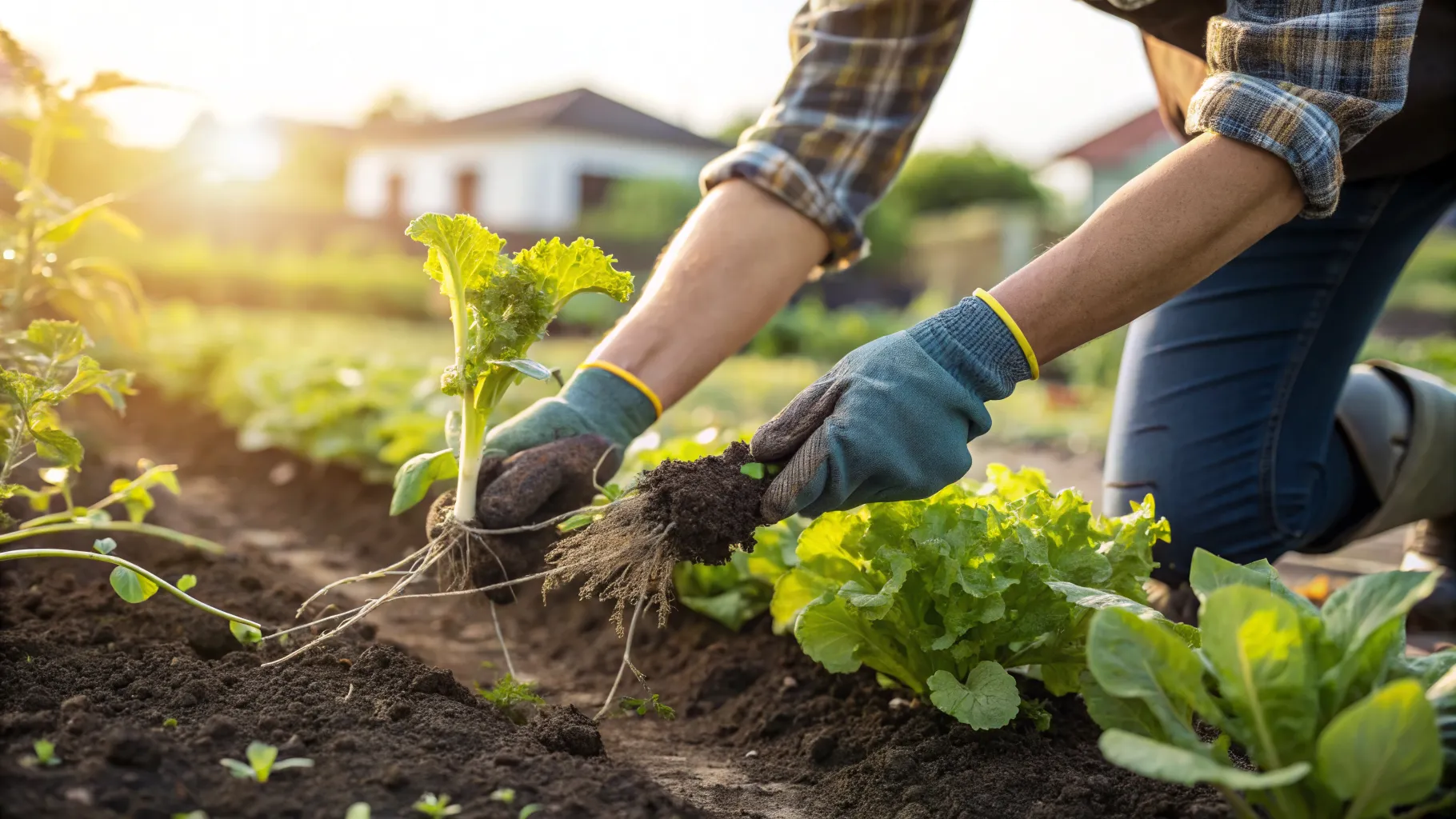
The most straightforward approach to weed control is physical removal. This hands-on method is highly effective, especially for annual weeds with shallow root systems. The best time to pull weeds is after a light rain, when the soil is soft and moist, making it easier to extract the entire root system. If a piece of the root is left behind, particularly with perennial weeds like dandelions or thistle, the plant can regenerate.
For larger areas or more stubborn weeds, several tools can make the job easier. A classic garden hoe is excellent for scraping away young weeds that have just sprouted. For weeds in tight spaces or those with deep taproots, a specialized weeding tool, such as a dandelion weeder or a fishtail weeder, can provide the necessary leverage to remove the plant intact without disturbing the surrounding soil too much.
Household Solutions for Spot Treatment
Several common household items can be used for spot-treating weeds, particularly those growing in sidewalk cracks, driveways, or patio pavers. One of the simplest is boiling water. Carefully pouring boiling water directly onto a weed will scald the plant and cause it to wither and die within a day or two. This method is non-selective, so be careful not to splash it on desirable plants.
Another popular option is a vinegar solution. The acetic acid in household vinegar can burn the leaves of plants. For it to be effective, it must be applied directly and thoroughly to the weed's foliage on a sunny day. It is most effective on young, annual weeds and may require repeat applications for tougher perennials, as it typically does not kill the root system. It's important to remember that vinegar is also non-selective and can harm any plant it touches.
Smothering Weeds with Mulch and Barriers
Weeds, like all plants, need sunlight to survive. By blocking their access to light, you can effectively kill existing weeds and prevent new seeds from germinating. This technique is often called smothering or sheet mulching. You can start by laying down a light-blocking barrier like cardboard or several layers of newspaper directly over the weedy area. Be sure to overlap the edges to prevent any light from getting through.
After placing your barrier, cover it with a thick layer of organic mulch, such as wood chips, straw, shredded leaves, or grass clippings. A layer that is two to four inches deep is generally recommended. This mulch not only helps hold the barrier in place and block light but also conserves soil moisture, regulates soil temperature, and enriches the soil as it decomposes over time.
Preventative Strategies for Long-Term Control
The best way to control weeds is to stop them before they start. One popular pre-emergent method is using corn gluten meal. When applied to the soil in early spring, it can inhibit the root development of germinating seeds. It does not affect established plants, making it a useful tool for lawns and existing garden beds. Its effectiveness relies on proper timing, as it must be applied before weed seeds begin to sprout.
Another effective preventative strategy is to minimize bare soil in your garden. Weeds thrive in empty spaces. You can out-compete them by:
- Planting densely to create a canopy of foliage that shades the soil.
- Using ground cover plants that spread to fill in bare spots.
- Sowing cover crops like clover or vetch in vegetable gardens during the off-season to protect and enrich the soil.
Using Heat to Eliminate Weeds
Heat is another powerful tool for natural weed management. For clearing large, unplanted areas, soil solarization can be very effective. This process involves covering a section of moist soil with a clear plastic sheet for four to six weeks during the hottest part of summer. The plastic traps solar radiation, heating the top few inches of soil to temperatures high enough to kill many types of weeds, their seeds, and some soil-borne pathogens.
For more targeted applications, flame weeding tools are an option. These devices use a propane torch to heat the water inside the weed's cells, causing them to burst. The goal is not to burn the plant to ash but to heat it just enough to cause it to wilt and die. Flame weeders are excellent for dealing with weeds in non-flammable areas like gravel paths and pavement cracks, but extreme caution must be exercised when using them near desirable plants or flammable mulches.
The Importance of Persistence
No single natural method will eliminate weeds permanently. A successful natural weed management plan often involves a combination of different techniques and, most importantly, persistence. Regular maintenance, such as pulling new weeds as soon as they appear and replenishing mulch layers, is key. By being proactive and consistent, you can significantly reduce the weed population in your garden over time, creating a healthier and more enjoyable outdoor space without relying on chemical interventions.