A Patient's Guide to Modern Treatment Options for Colitis
Fast Facts:
- Personalized Care: Treatment is highly tailored to the individual's specific condition.
- A key trend for patients is the increasing use of biologic therapies to target inflammation directly.
Navigating Your Path to Colitis Remission
Understanding the various approaches to managing colitis is the first step toward reclaiming your health and well-being. The journey of finding the right plan involves a close partnership with your healthcare provider to explore the options that best suit your specific type of colitis, its severity, and your overall health goals. Knowing how to treat colitis effectively often means combining medical therapies with strategic lifestyle adjustments. This guide will walk you through the primary categories of treatments available today, from established medications to cutting-edge biologic therapies.
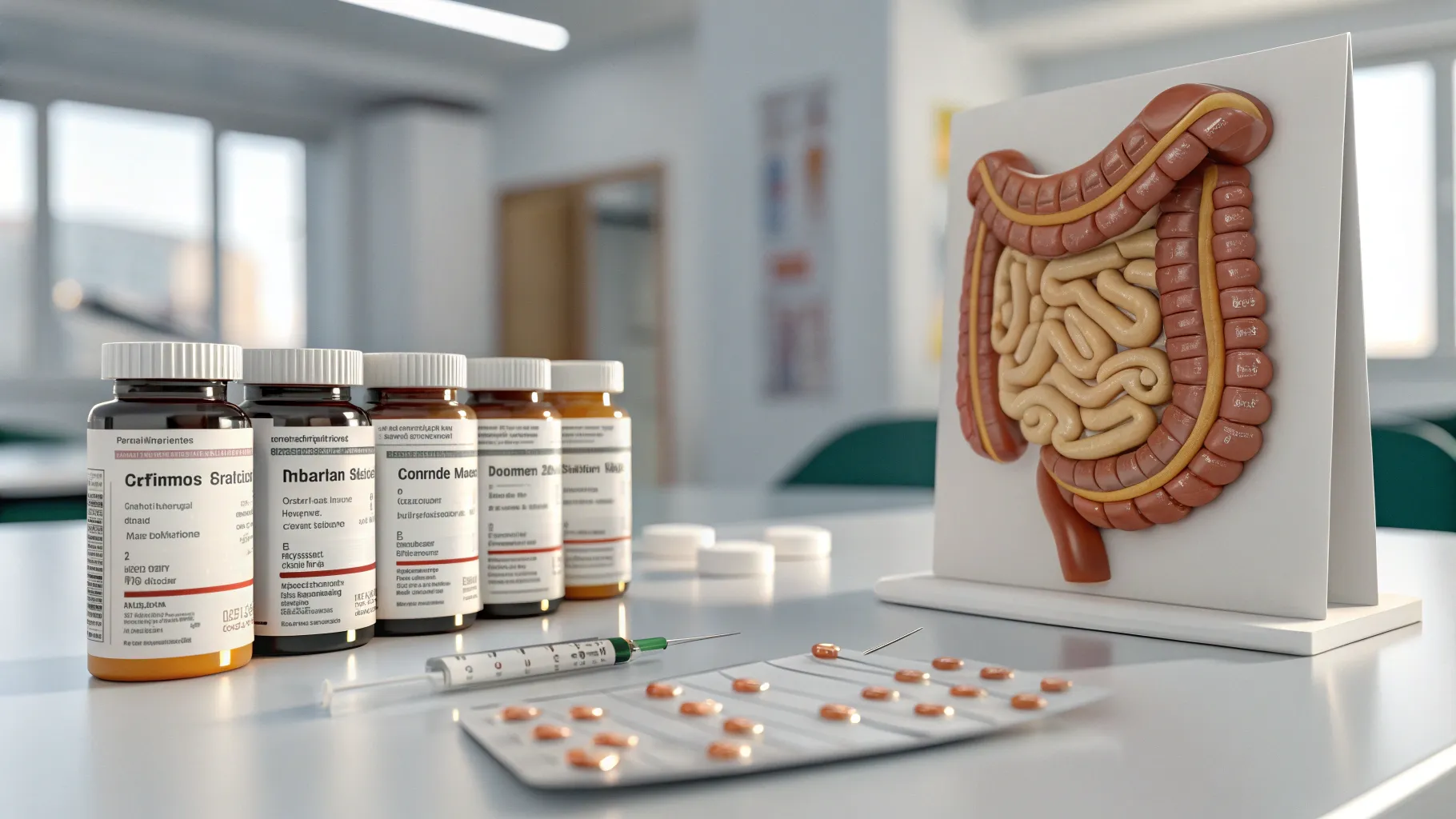
Key Medical Approaches to Colitis Management
The primary goal of medical treatment is to reduce the inflammation that triggers your signs and symptoms, and ultimately, to bring about long-term remission. The choice of medication depends heavily on the severity of your condition and your previous response to treatment.
Aminosalicylates (5-ASAs)
Often the first line of defense for mild to moderate ulcerative colitis, 5-ASA drugs like mesalamine, balsalazide, and olsalazine work to decrease inflammation in the lining of the colon. This type of colitis medication is available in oral forms or as a suppository or enema, allowing for targeted treatment depending on the location of the inflammation.
Corticosteroids for Flare-Ups
When a flare-up occurs, corticosteroids such as prednisone are highly effective at rapidly suppressing the body's entire immune system to control inflammation. However, due to potential side effects, they are typically used for short-term control and are not intended for long-term maintenance.
Immunomodulators
For patients who don't respond to 5-ASAs or who are dependent on steroids, immunomodulators like azathioprine and mercaptopurine may be prescribed. These drugs modify the immune system to reduce ongoing inflammation. They are a common component in long-term ulcerative colitis treatment plans but can take several months to become fully effective.
Biologic Therapies (Biologics)
Biologics represent a significant advancement in colitis care. These therapies are genetically engineered proteins that target specific proteins from the immune system that cause inflammation. Often considered the best colitis treatment for moderate to severe cases, drugs like infliximab, adalimumab, and vedolizumab can induce and maintain remission when other treatments have failed.
Actionable Lifestyle and Dietary Strategies
While medication is crucial, certain lifestyle changes can help you manage symptoms and improve your quality of life. Integrating these strategies can support your medical treatment plan.
- Keep a Food Diary: Identify and avoid trigger foods that worsen your symptoms, such as high-fiber foods, dairy, or spicy meals during a flare-up.
- Stay Hydrated: Chronic diarrhea can lead to dehydration. Ensure you drink plenty of fluids, primarily water, throughout the day.
- Manage Stress: Stress doesn't cause colitis, but it can trigger flare-ups. Incorporate stress-reducing activities like yoga, meditation, or gentle exercise into your routine.
- Consult a Dietitian: A registered dietitian can help you create a balanced nutrition plan that meets your needs without aggravating your symptoms.
Frequently Asked Questions
What are the most common colitis treatment options?
The most common colitis treatment options range from anti-inflammatory drugs like 5-ASAs and corticosteroids to immune system suppressors and advanced biologic therapies. The choice depends on the severity and type of colitis.
Can diet alone be used to treat colitis?
While diet is a critical component of managing symptoms, it is not a standalone cure for colitis. Dietary modifications should be used in conjunction with prescribed medical treatments to help control flare-ups and maintain remission.
Is surgery a common treatment for colitis?
Surgery, such as a colectomy (removal of the colon), is typically reserved for severe cases of ulcerative colitis that do not respond to medication or when precancerous changes are found in the colon. It is often considered a last resort but can be a definitive cure for ulcerative colitis.
References
- Crohn's & Colitis Foundation
- American Gastroenterological Association
- National Institute of Diabetes and Digestive and Kidney Diseases (NIDDK)