A Leisurely 14-Day Japan Itinerary for Seniors
Japan is a destination that beautifully blends ancient traditions with modern marvels, making it a fascinating place to explore at any age. For senior travelers, the country offers exceptional safety, convenient public transport, and a culture of respect that ensures a comfortable and enriching experience. This 14-day itinerary is designed to cover the iconic cities of Tokyo, Kyoto, and Osaka at a relaxed pace, prioritizing accessibility and enjoyment.
Essential Pre-Trip Planning for Seniors
Thoughtful planning is the foundation of a successful trip. The best times to visit Japan are during the spring (March to May) for cherry blossoms or autumn (October to November) for vibrant fall colors. These seasons offer mild, comfortable weather, avoiding the intense heat of summer and the cold of winter. When booking flights, consider options with fewer layovers to minimize travel fatigue.
Choosing the right accommodation is also vital. Look for hotels located near major subway or train stations to reduce walking distances. Many Japanese hotels offer 'universal' or accessible rooms, but it's best to request and confirm these well in advance. Also, consider packing light and using Japan's excellent luggage forwarding service, known as 'takkyubin'. This allows you to send your large bags ahead to your next hotel, making train travel much easier.
Days 1-4: Exploring Tokyo at a Comfortable Pace
After arriving at Narita (NRT) or Haneda (HND) airport, take a pre-booked shuttle or the convenient Narita Express train to your accommodation. Use the first day to rest and adjust to the new time zone. Over the next few days, explore Tokyo's accessible wonders. A visit to the serene Meiji Shrine is a great start, with its wide, flat paths surrounded by a calming forest. The Imperial Palace East Garden is another beautiful and mostly flat area for a gentle stroll.
The historic Asakusa district, home to the famous Senso-ji Temple, is a must-see. While it can get crowded, visiting on a weekday morning is often quieter. The main temple grounds are accessible, and the surrounding market streets are fun to browse. For a relaxing perspective of the city, consider a Sumida River cruise, which offers excellent views of the Tokyo Skytree and other landmarks from the comfort of your seat.
Days 5-7: The Cultural Heart of Kyoto
Travel from Tokyo to Kyoto via the Shinkansen, or bullet train, an experience in itself. Reserved seats offer comfort and ample legroom. Once settled in Kyoto, immerse yourself in Japan's cultural capital. A visit to Kinkaku-ji, the Golden Pavilion, is a highlight. The path around the pond is paved and relatively flat, offering spectacular views of the temple.
Another key destination is the Gion district, Kyoto's famous geisha district. A slow walk through its preserved wooden machiya houses in the evening can be magical. For a hands-on cultural experience, consider booking a traditional tea ceremony. Many tea houses offer sessions where you can sit on a stool or chair instead of the traditional tatami floor, ensuring comfort for all guests.
Days 8-10: More Kyoto and a Day Trip to Nara
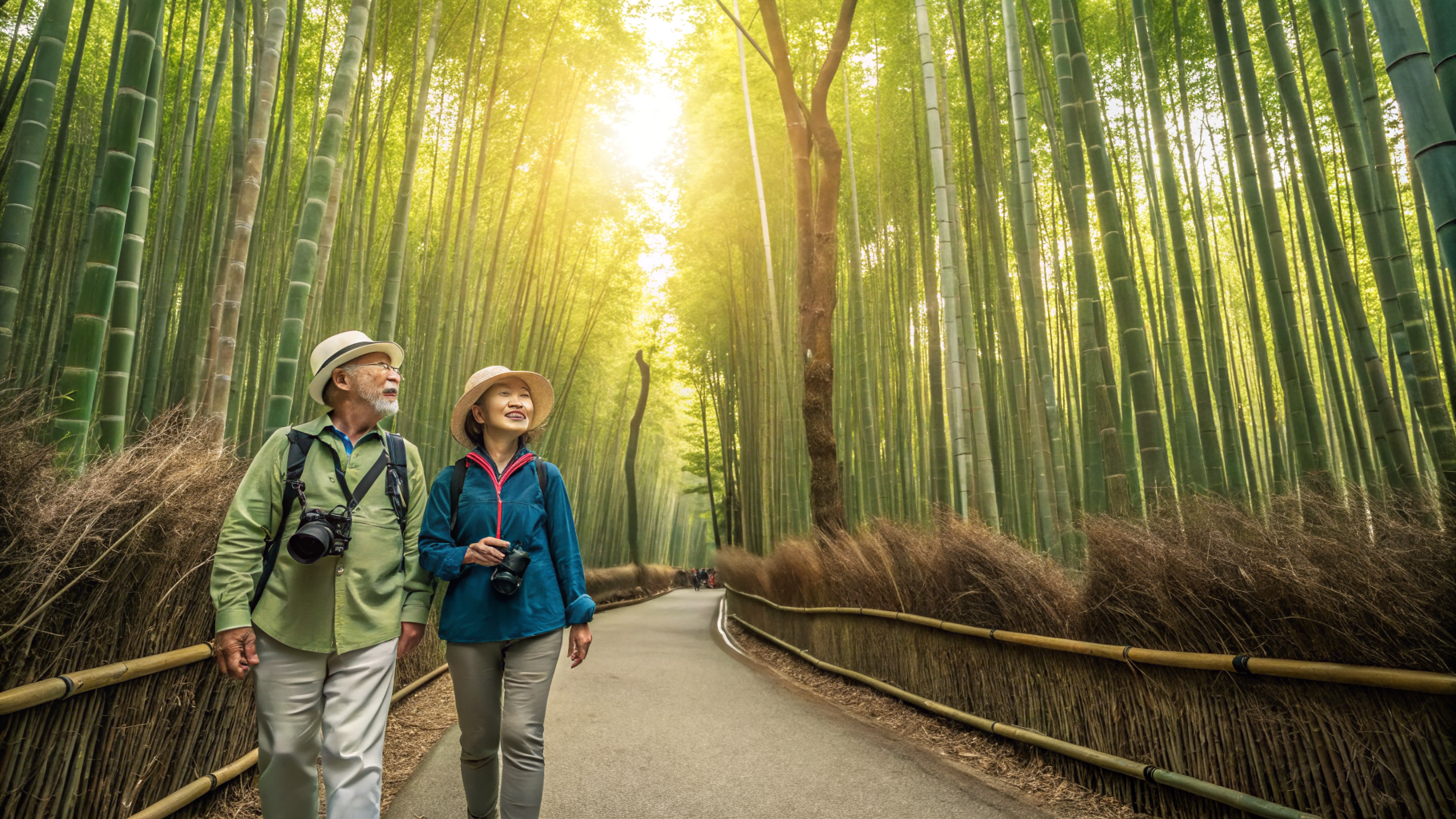
Continue your exploration of Kyoto with a visit to the Arashiyama Bamboo Grove. Arriving early in the morning helps to avoid the crowds, and the main path through the grove is flat and paved. Afterwards, you can visit the nearby Tenryu-ji Temple, which has beautiful gardens that are easy to navigate. The Fushimi Inari Shrine is famous for its thousands of red torii gates, but you do not need to hike the entire mountain. The lower sections are flat and offer plenty of fantastic photo opportunities.
Take a simple day trip to Nara, which is just a short train ride from Kyoto. Nara Park is famous for its friendly, free-roaming deer. The main attraction, Todai-ji Temple, which houses a giant bronze Buddha statue, is located within the park on mostly flat ground, making it an easy and rewarding excursion.
Days 11-13: The Culinary Delights of Osaka
Travel from Kyoto to Osaka, a city known for its vibrant food scene and modern energy. A visit to Osaka Castle is a great starting point. While the grounds are extensive, there are elevators within the main tower to take you to the top for panoramic city views. The castle park is a lovely place for a relaxing walk.
In the evening, explore the famous Dotonbori district. While the streets can be very crowded, a river cruise offers a fantastic way to see the iconic neon lights and giant signs without being in the middle of the hustle. For a more tranquil experience, visit Shitennoji, one of Japan's oldest temples, which offers a peaceful retreat from the bustling city.
Day 14: Departure and Final Travel Tips
On your final day, enjoy a relaxed breakfast before heading to Kansai International Airport (KIX) for your flight home. Airport limousine buses often provide a convenient, direct service from major hotels to the airport. Before you leave, remember a few key tips for senior travel in Japan.
- Stay Connected: Rent a pocket Wi-Fi device or get a travel SIM card to use navigation apps and stay in touch with family.
- Medications: Bring an adequate supply of any prescription medications, along with a doctor's note, as some common medicines may be restricted in Japan.
- Footwear: Pack comfortable, supportive walking shoes that are easy to slip on and off, as you will need to remove them when entering temples and some restaurants.
- Pacing: Don't try to see everything. Build downtime into your itinerary to rest and simply enjoy your surroundings. Japan is a country best savored slowly.