A Guide to Understanding What Causes Swollen Legs
Experiencing swelling in your legs, ankles, or feet can be unsettling. This condition, medically termed peripheral edema, occurs when excess fluid gets trapped in your body's tissues. While it can sometimes be a temporary and harmless issue, it can also be a sign of a more significant health problem. Understanding the potential causes is the first step toward addressing the discomfort and seeking appropriate care if necessary.
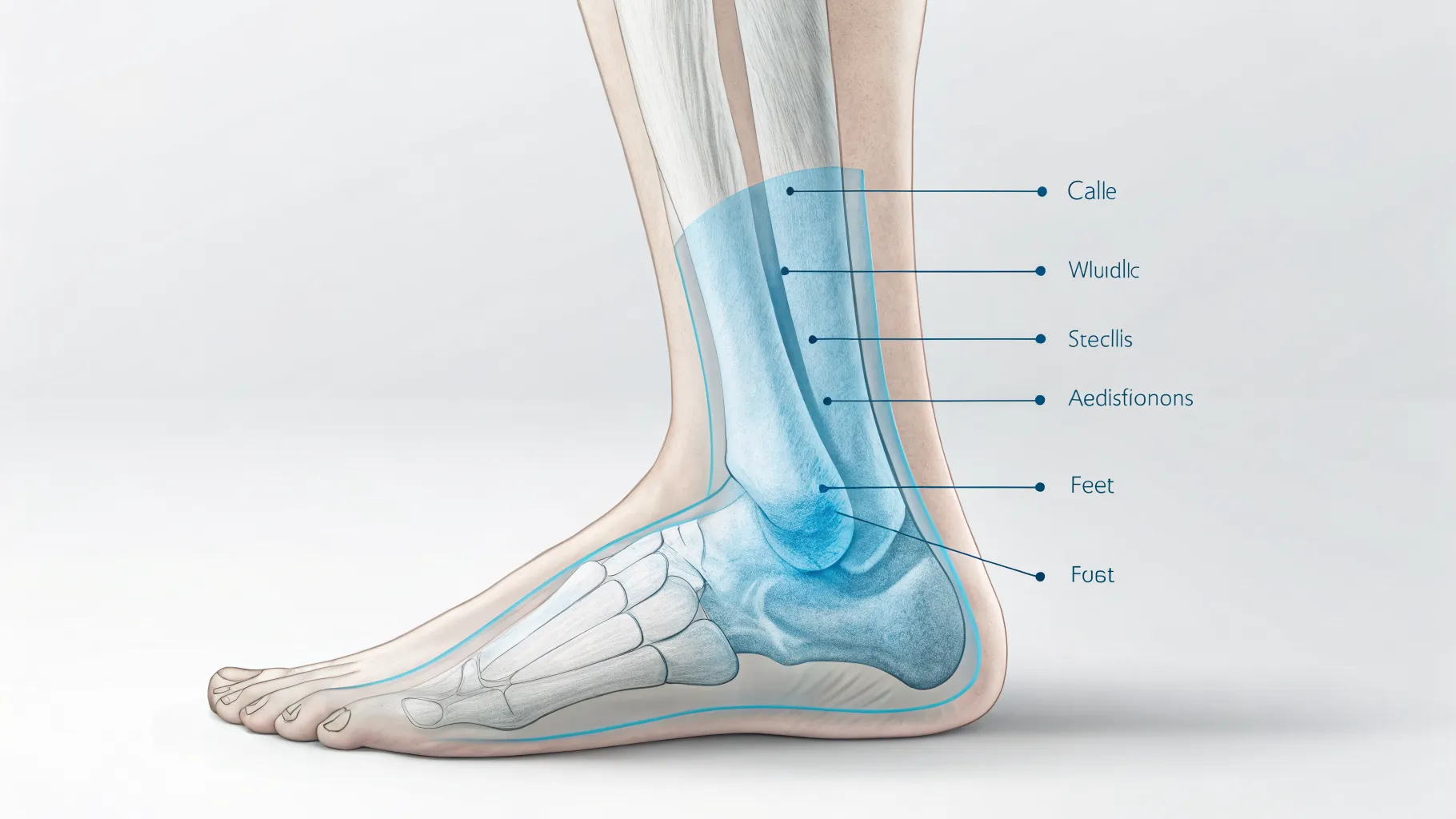
The Basics of Fluid Retention (Edema)
Edema is the medical term for swelling caused by excess fluid trapped in your body's tissues. While it can affect any part of your body, it's most commonly noticed in the hands, arms, feet, ankles, and legs due to the effects of gravity. Your circulatory system, lymphatic system, and kidneys all work together to maintain a healthy fluid balance.
When this delicate system is disrupted, fluid can leak out of tiny blood vessels called capillaries and accumulate in the surrounding tissues, leading to noticeable swelling. Simple factors, such as standing or sitting in the same position for an extended period, can encourage fluid to pool in your lower extremities, causing temporary puffiness that usually resolves with movement and elevation.
Lifestyle and Environmental Factors
Certain daily habits and environmental conditions can contribute significantly to leg swelling. A diet high in sodium, for example, can cause your body to retain more water than necessary, leading to generalized bloating and swelling, particularly in the legs and feet. Similarly, a sedentary lifestyle or a job that requires long hours of sitting or standing can hinder proper blood circulation from your lower limbs back to your heart.
Other factors can include being overweight, which puts extra pressure on your veins, and exposure to hot weather, which can cause blood vessels to expand and allow fluid to leak into nearby tissues more easily. In many cases, making adjustments like reducing salt intake, staying active, and taking regular breaks to walk or stretch can help manage this type of swelling.
Injury and Localized Inflammation
Swelling is a natural part of the body's healing process following an injury. If you sprain an ankle, break a bone, or strain a muscle in your leg, the affected area will likely become swollen as your body sends extra fluid and white blood cells to repair the damage. This type of swelling is typically localized to the site of the injury and is often accompanied by pain, redness, and warmth.
Infections can also lead to localized swelling. A condition like cellulitis, which is a bacterial skin infection, can cause the skin on the leg to become swollen, red, and tender. Inflammatory conditions such as arthritis or bursitis in the knee or ankle joints can also result in significant swelling and discomfort around the affected joint.
Issues with Veins and Circulation
Your veins play a crucial role in returning blood from your extremities to your heart. When they don't function properly, blood can pool in your legs, increasing pressure and forcing fluid out into the surrounding tissues. This condition is known as venous insufficiency. Varicose veins are a common sign of weakened vein walls and valves that contribute to this problem.
A more serious and acute cause of leg swelling is a blood clot, known as deep vein thrombosis (DVT). A DVT typically affects one leg, causing swelling, pain, warmth, and sometimes a reddish discoloration. This is a serious medical condition because the clot can break loose and travel to the lungs, causing a pulmonary embolism, which can be life-threatening.
Underlying Systemic Health Conditions
Persistent or widespread swelling can be a symptom of a more serious, underlying medical condition affecting your entire body. Several major organs are responsible for managing fluid balance, and when they are not working correctly, edema can result.
- Congestive Heart Failure: When the heart is too weak to pump blood efficiently, blood can back up in the veins, leading to fluid accumulation, especially in the legs and abdomen.
- Kidney Disease: Healthy kidneys filter waste and excess fluid from the blood. If they are damaged, they may not be able to remove sodium and water effectively, causing generalized edema.
- Liver Disease: Advanced liver disease, such as cirrhosis, can interfere with the production of albumin, a protein that helps keep fluid within the blood vessels. Low albumin levels can lead to fluid leaking into tissues, causing swelling in the legs and abdomen.
Medications and Hormonal Influences
Sometimes, the cause of swollen legs can be found in your medicine cabinet. A number of prescription and over-the-counter medications can list swelling as a potential side effect. These can include certain types of blood pressure medications (like calcium channel blockers), nonsteroidal anti-inflammatory drugs (NSAIDs), steroids, certain diabetes medications, and hormone therapies.
Hormonal fluctuations can also play a role. Many women experience mild swelling in their hands and feet in the days leading up to their menstrual period due to changes in estrogen and progesterone. Swelling is also very common during pregnancy, as the body retains more fluid and the growing uterus puts pressure on the veins in the lower body, impeding blood return from the legs.
When to Consult a Healthcare Professional
While some leg swelling is temporary and harmless, certain signs should prompt a visit to a doctor. It's important to seek medical advice if the swelling occurs suddenly and without an obvious reason, or if it affects only one leg. Other warning signs include pain, redness, or warmth in the swollen area, as these could indicate an infection or a blood clot.
You should also seek immediate medical attention if your leg swelling is accompanied by other serious symptoms, such as shortness of breath, chest pain, or dizziness. These could be signs of a heart condition or a pulmonary embolism. A healthcare professional can perform a thorough examination and order tests to determine the underlying cause and recommend the appropriate course of action.