A Guide to Understanding Oxygen Concentrators and Their Costs
Oxygen concentrators are essential medical devices for individuals with respiratory conditions that cause low oxygen levels in their blood. Unlike oxygen tanks that store a finite amount of compressed oxygen, a concentrator is a machine that draws in ambient air, filters out nitrogen, and delivers a continuous supply of oxygen-enriched air. Understanding how these devices work, the types available, and the factors that determine their price can help individuals and caregivers make more informed decisions.
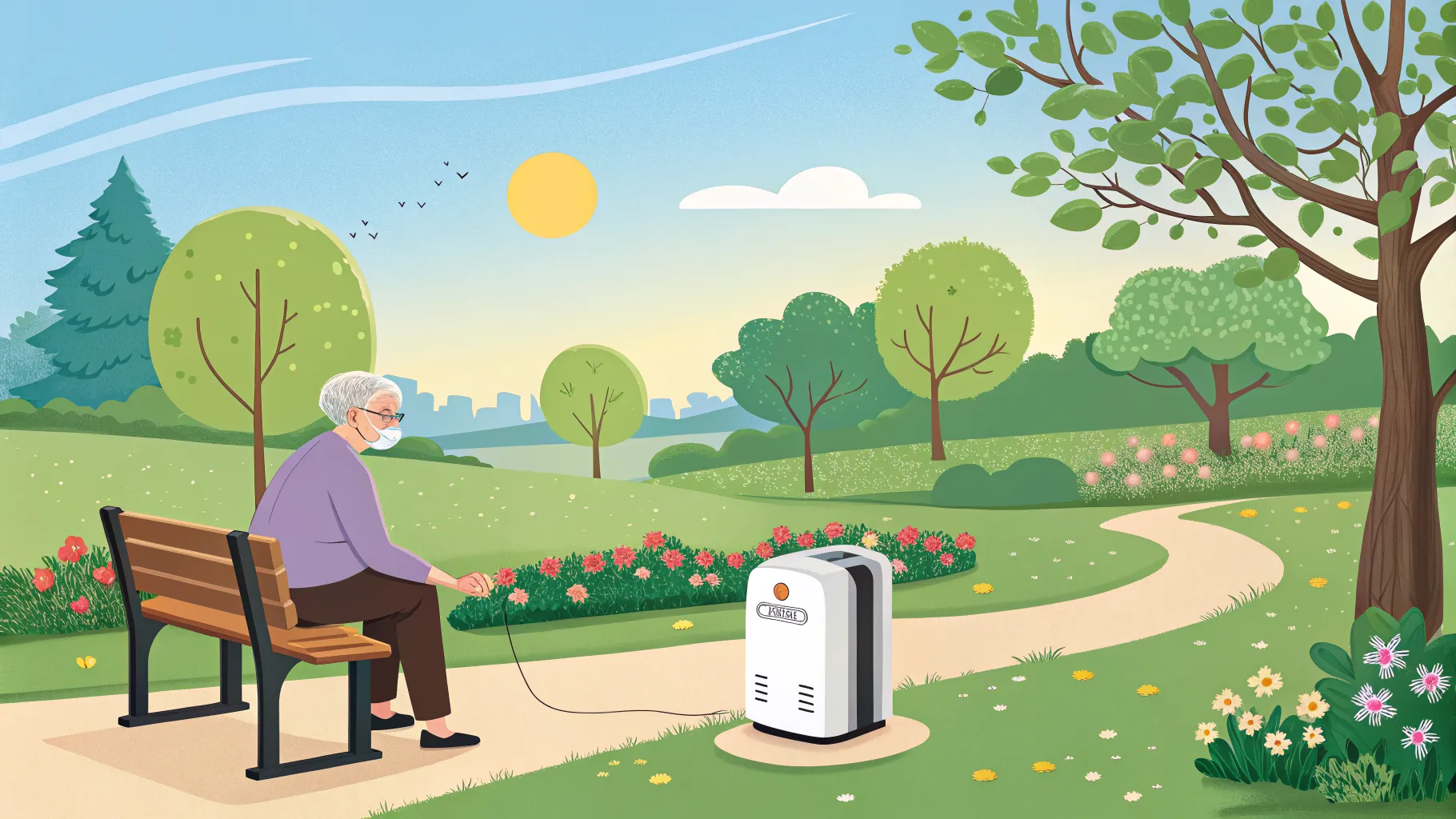
What is an Oxygen Concentrator?
An oxygen concentrator is a device that concentrates the oxygen from a gas supply (typically ambient air) to supply an oxygen-enriched gas stream. It operates on electricity, either from a wall outlet or a battery. The machine takes in the air around you, which is composed of roughly 78% nitrogen, 21% oxygen, and 1% other gases. Inside the device, a compressor and a sieve bed filter work to remove the nitrogen, resulting in a gas mixture that is up to 95% pure oxygen for the user to breathe.
This process provides a safe and convenient alternative to traditional oxygen cylinders. Because it produces its own oxygen, a concentrator does not need to be refilled, eliminating the logistical challenges of scheduling tank deliveries. This makes it a reliable source of oxygen for long-term therapy at home or on the go, depending on the type of device.
Types of Concentrators: Home vs. Portable
Oxygen concentrators are generally categorized into two main types: home (or stationary) units and portable oxygen concentrators (POCs). Home units are larger and designed to be used in one location. They plug into a standard electrical outlet and typically offer a continuous flow of oxygen at higher rates than portable models. While some have wheels for moving from room to room, they are not designed for travel.
Portable oxygen concentrators, on the other hand, are designed for mobility. They are significantly smaller, lighter, and run on rechargeable batteries, allowing users to maintain an active lifestyle. Most POCs operate on a 'pulse dose' delivery system, which provides a puff of oxygen when the user inhales. Their compact size and battery power make them suitable for running errands, socializing, and even for air travel, as many models are approved by the Federal Aviation Administration (FAA).
Key Factors Influencing Cost
The price of an oxygen concentrator can vary significantly based on several important factors. Understanding these variables is key to evaluating different options. Portable units are generally more expensive than stationary home units due to their advanced technology, compact design, and internal battery systems. The final cost depends heavily on the specific features and capabilities of the model.
Several elements contribute to the overall price tag. Considering these can help you understand why one model might cost more than another:
- Type: Portable models cost more than stationary home units.
- Oxygen Output: Devices with higher maximum oxygen flow rates or settings are typically more expensive.
- Battery Life: For POCs, longer battery life and the inclusion of extra batteries increase the cost.
- Weight and Size: Smaller and lighter portable units often involve more advanced engineering and materials, which can raise the price.
- Features: Advanced features like quiet operation, user-friendly digital displays, and durable construction can add to the cost.
- Warranty and Brand: Established brands with comprehensive warranties and strong customer support networks may have a higher initial price point.
Pulse Dose vs. Continuous Flow Delivery
The method of oxygen delivery is a critical distinction between many concentrator models. Continuous flow, common in home units, supplies a constant stream of oxygen regardless of the user's breathing pattern. This is often required for patients who need a consistent, high level of oxygen, including for use with CPAP or BiPAP machines during sleep.
Pulse dose, the standard for most POCs, is more sophisticated. It uses a built-in oxygen conserver and sensors to deliver a 'bolus' or puff of oxygen precisely when the user begins to inhale. This method is highly efficient, as it conserves oxygen and extends the life of the battery. However, pulse dose settings do not directly correspond to the liters-per-minute of continuous flow, and the appropriate setting must be determined by a healthcare professional to meet the patient's needs.
Navigating the Purchase and Rental Process
Acquiring an oxygen concentrator typically begins with a prescription from a doctor, which specifies the required oxygen flow rate and duration of use. With a prescription, individuals can explore options through durable medical equipment (DME) suppliers. These companies specialize in home health equipment and can offer a range of models for purchase or rent. Renting can be a viable option for short-term needs or for those who wish to try a device before committing to a purchase.
It is also possible to find refurbished or used units, which can be a more affordable option. If considering this route, it's important to ensure the device has been properly serviced, sanitized, and certified by a qualified technician. Always verify the remaining warranty and the seller's return policy to protect your investment and ensure the device is safe and effective.
What to Look For When Comparing Models
When comparing different oxygen concentrators, it is essential to match the device's capabilities with the user's prescription and lifestyle. A person who travels frequently will have very different needs from someone who primarily requires oxygen therapy while at home. Beyond the basic specifications, there are several practical features to evaluate.
Consider the following aspects to find a suitable device:
- Noise Level: The operational noise, measured in decibels (dBA), can be an important factor, especially for use during sleep or in quiet environments.
- Ease of Use: Look for models with a clear, easy-to-read display and intuitive controls for adjusting settings and checking battery life.
- Maintenance: Ask about routine maintenance requirements, such as how often filters need to be cleaned or replaced, to ensure the device remains in good working order.
- FAA Approval: If you plan to travel by air, confirm that any portable model under consideration is approved by the FAA for in-flight use.
- Accessories: Check what accessories are included, such as carrying cases, mobile carts, and car chargers, as these can add significant value and convenience.