A Guide to Top-Rated Mobility Scooters for Outdoor Use
Choosing a mobility scooter for outdoor adventures opens up a world of possibilities. Unlike standard indoor models, outdoor scooters are built to handle more challenging environments, offering greater freedom and independence. Understanding the key differences and features is the first step toward finding a reliable companion for navigating parks, sidewalks, and other open-air spaces.
What Defines an 'Outdoor' Mobility Scooter?
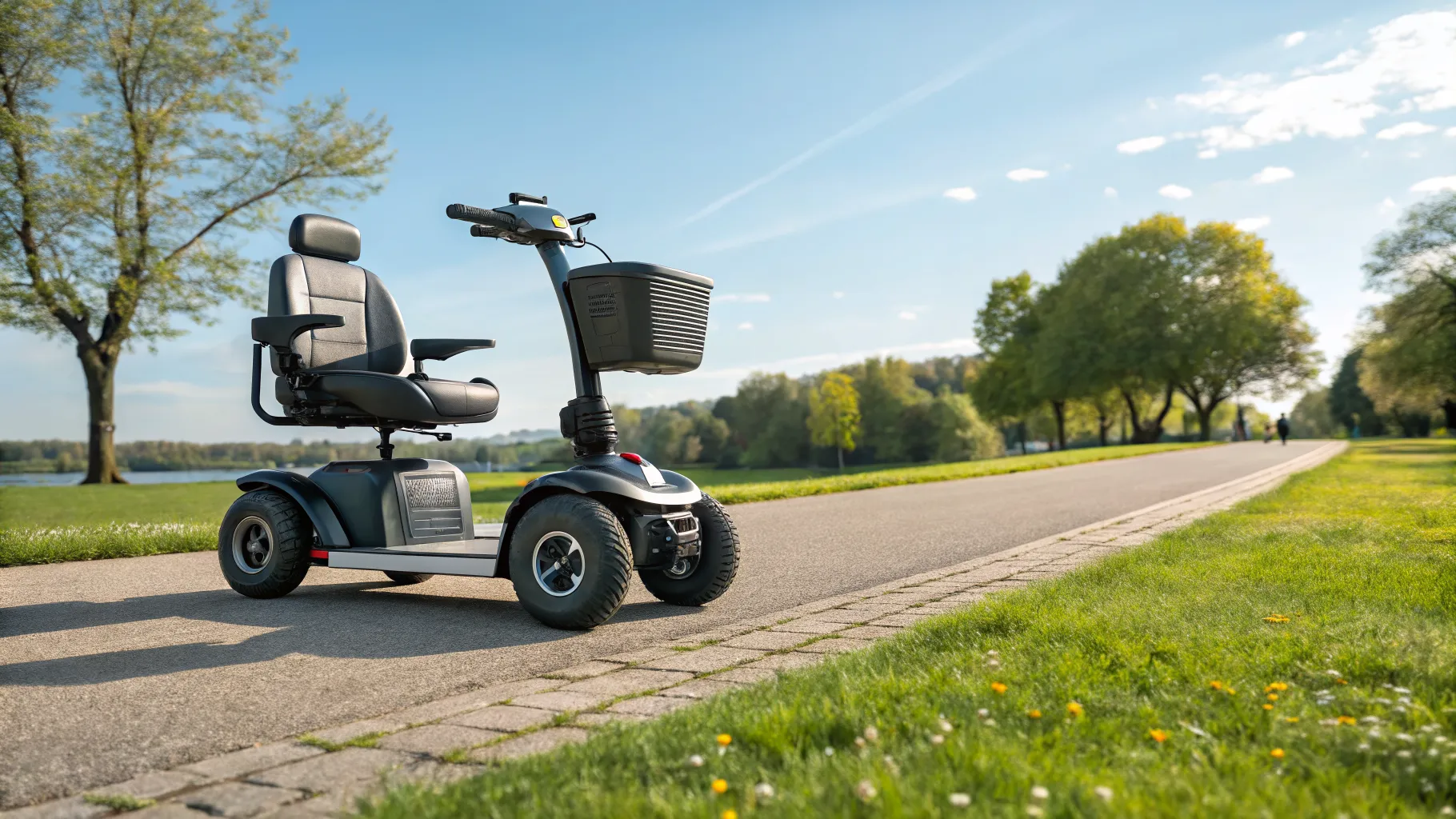
An outdoor mobility scooter is specifically engineered to perform safely and reliably on varied terrain. These models typically feature more robust construction compared to their indoor counterparts. Key distinctions include a more powerful motor to handle inclines and rougher surfaces, and a higher ground clearance to navigate obstacles like curbs and uneven ground without getting stuck.
Furthermore, outdoor scooters are equipped with larger, more durable tires, often pneumatic (air-filled), which provide better traction and a smoother ride. They also have advanced suspension systems to absorb shock and vibrations, ensuring a comfortable experience even on bumpy paths. Weather resistance is another factor, with some models offering better protection for electrical components.
Essential Features for Outdoor Performance
When evaluating outdoor mobility scooters, several features are critical for performance and safety. Paying close attention to these specifications will help you find a model that meets your specific needs.
- Battery Range: Look for scooters with a long-range battery, typically offering 15 miles or more on a single charge. This ensures you can complete your journey without worrying about running out of power.
- Tire Quality: Pneumatic tires are generally preferred for outdoor use as they offer superior cushioning. A deep tread pattern is also important for maintaining traction on wet or loose surfaces.
- Suspension System: A full suspension system, with shock absorbers on both the front and rear wheels, will provide the most comfortable ride by minimizing the impact of bumps and cracks in the pavement.
- Weight Capacity: Ensure the scooter can comfortably support your body weight, plus any items you plan to carry in a basket or bag.
- Top Speed: While not the most critical factor, a higher top speed (typically between 5 and 10 mph) can be useful for keeping pace in open areas.
Three-Wheel vs. Four-Wheel Designs
One of the most significant choices you'll make is between a three-wheel and a four-wheel scooter. Each design offers distinct advantages for outdoor use. Three-wheel models are known for their superior maneuverability and tighter turning radius, making them excellent for navigating through crowds or tighter spaces like farmers' markets. They also tend to offer more legroom.
On the other hand, four-wheel scooters provide maximum stability. The wider wheelbase makes them less prone to tipping, which is a major safety advantage on uneven terrain, slopes, or when turning at higher speeds. For individuals who plan to frequently travel over grassy areas, gravel paths, or hilly landscapes, the enhanced stability of a four-wheel model is often the preferred choice.
Considering Portability and Storage
While heavy-duty outdoor scooters offer the best performance, their size and weight can make them difficult to transport. If you plan to take your scooter in a vehicle, you'll need to consider its portability. Some outdoor scooters are designed to be disassembled into several smaller, more manageable pieces without tools. This allows them to fit into the trunk of a car.
Alternatively, vehicle lifts can be installed on cars, trucks, or vans to transport non-portable scooters. Before making a decision, think about where you will store the scooter at home. It will need a dry, secure space with access to a power outlet for charging. Measure doorways and storage areas to ensure the scooter will fit comfortably.
Understanding Safety and Lighting Features
Safety should be a top priority, especially when traveling outdoors where visibility and terrain can change. A comprehensive lighting package is essential for any outdoor scooter. This should include a bright front headlight, rear tail lights, and turn signals to ensure you are visible to pedestrians and vehicles, particularly during dawn, dusk, or on overcast days.
Other important safety features include anti-tip wheels, which prevent the scooter from tipping backward on inclines, and a reliable braking system. Most scooters use electromagnetic brakes that engage automatically when you release the throttle, providing a smooth and secure stop. A horn or alert signal is also a standard and necessary feature for navigating busy pathways.
How to Read Reviews and Compare Models
When you start shopping, you will encounter a wide array of brands and models. Reading user reviews and professional guides can provide valuable insight into a scooter's real-world performance. Look for reviews that mention battery life, durability on different terrains, and overall comfort. Pay attention to both positive and negative feedback to get a balanced view.
Create a comparison list of your top choices. Note key specifications like maximum speed, travel range, ground clearance, weight capacity, and turning radius. Also, consider the warranty offered by the manufacturer. A solid warranty on the frame, motor, and electronics can provide peace of mind and protection for your investment.