A Guide to Top-Rated Healthy Dog Food Brands
Navigating the world of dog food can feel complex, with countless brands all claiming to be the best. Understanding the fundamentals of canine nutrition is the first step toward making an informed choice for your furry companion. A truly top-rated food goes beyond marketing claims and focuses on high-quality ingredients, balanced nutrition, and formulas that cater to a dog's specific life stage and health requirements. This guide will help you learn how to identify these premium options.
Decoding Dog Food Labels
The key to understanding any dog food is learning how to read the packaging. The ingredient list is presented in descending order by weight, so the first few items make up the bulk of the food. Look for a whole protein source, like 'chicken,' 'beef,' or 'salmon,' as the very first ingredient. Be cautious of vague terms like 'meat by-products' or 'animal digest' in the top spots, as their quality and origin can be inconsistent.
Beyond the ingredients, look for a nutritional adequacy statement, often from the Association of American Feed Control Officials (AAFCO). This statement confirms that the food is 'complete and balanced' for a specific life stage, such as puppyhood, adulthood, or senior years. This certification ensures the food meets the minimum nutritional requirements established by experts, providing a good baseline for quality.
Essential Ingredients for a Healthy Diet
High-quality dog foods are built on a foundation of excellent ingredients that support overall health. Identifying these components on the label is a great way to gauge the quality of a brand. A balanced diet should contain a mix of protein, fats, carbohydrates, and essential vitamins and minerals.
Here are some key ingredients to look for:
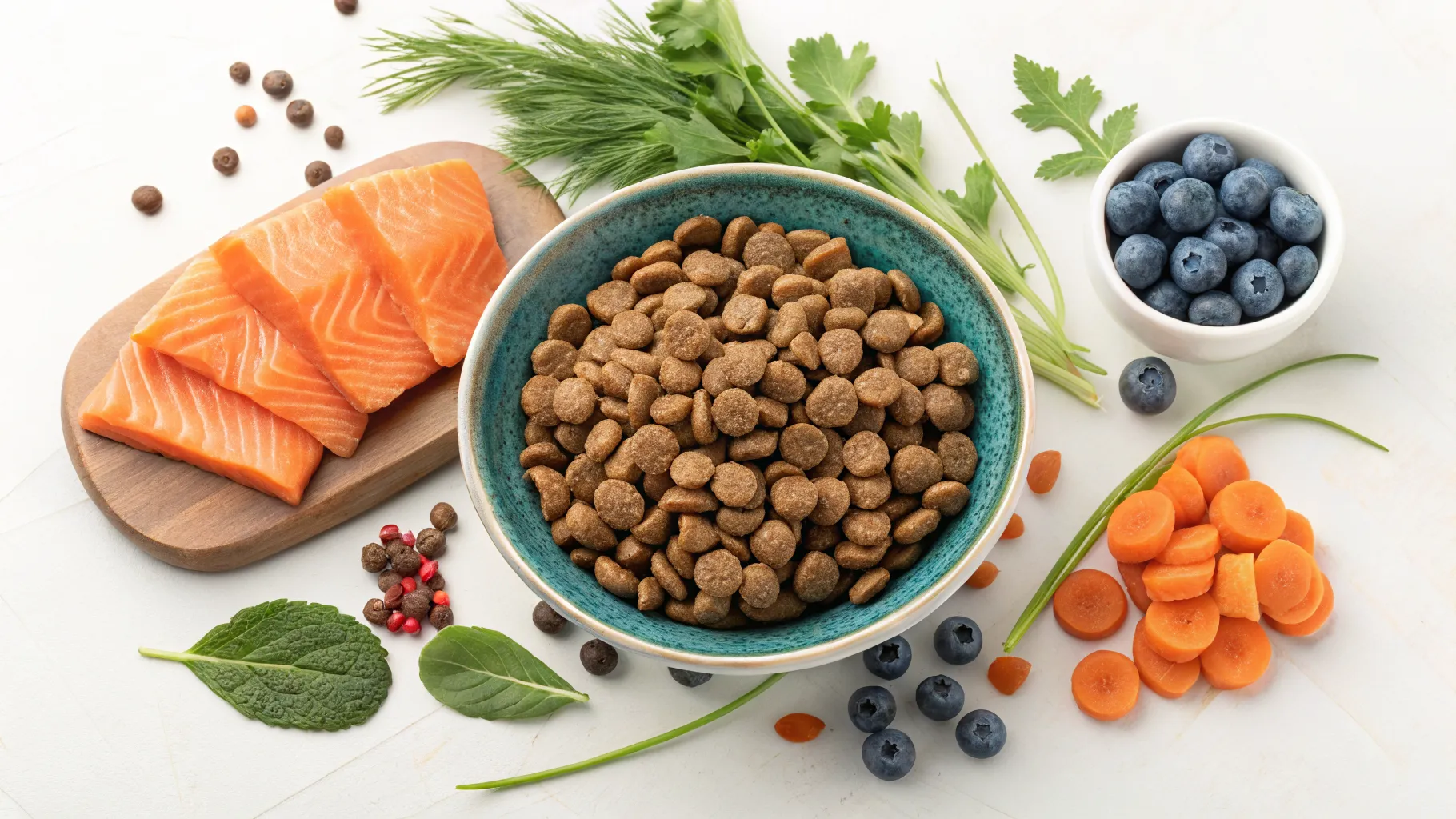
- Named Animal Proteins: Deboned chicken, lamb meal, salmon, or beef are excellent primary sources of protein.
- Healthy Fats: Look for sources like chicken fat or salmon oil, which provide essential fatty acids like omega-3 and omega-6 for a healthy coat and skin.
- Complex Carbohydrates: Ingredients like sweet potatoes, brown rice, barley, and peas offer sustained energy and fiber for digestive health.
- Fruits and Vegetables: Blueberries, carrots, spinach, and cranberries provide valuable antioxidants, vitamins, and minerals.
Common Ingredients to Approach with Caution
Just as important as knowing what to look for is knowing what to avoid. Some lower-quality dog foods use inexpensive fillers and artificial additives that offer little to no nutritional value and can sometimes cause digestive upset or allergic reactions in sensitive dogs. Reading the ingredient panel carefully can help you steer clear of these less desirable components.
Pay close attention and try to limit foods containing artificial preservatives like BHA, BHT, and ethoxyquin. Artificial colors and flavors are also unnecessary and are often used to make a product more appealing to humans, not pets. Additionally, be wary of high concentrations of simple carbohydrates like corn, wheat, and soy, especially if they are listed as the first few ingredients, as they can be common allergens for some dogs and are less nutritionally dense than whole grains or vegetables.
Grain-Free vs. Grain-Inclusive: What's the Difference?
The debate between grain-free and grain-inclusive dog food is a common point of confusion for many pet owners. Grain-free formulas replace traditional grains like corn, wheat, and rice with alternative carbohydrate sources such as peas, lentils, or potatoes. These diets became popular based on the idea that grains are unnatural for canines and are a primary source of allergies.
While some dogs do have specific grain sensitivities, whole grains like brown rice, oatmeal, and barley can be a healthy and digestible source of energy and nutrients for most dogs. It's important to note that recent studies have explored a potential link between certain grain-free diets and a heart condition called dilated cardiomyopathy (DCM). It's best to consult with your veterinarian to determine if a grain-free diet is appropriate and necessary for your specific dog based on their health history and needs.
The Importance of Protein Source and Quality
Protein is a cornerstone of a dog's diet, essential for building and repairing muscle, supporting immune function, and maintaining healthy skin and coats. However, not all protein sources are created equal. The quality and digestibility of the protein in your dog's food are critically important for their overall health and well-being.
Look for brands that prioritize high-quality, named animal proteins. For example, 'chicken meal' is a more concentrated source of protein than 'chicken' because the water has been removed. Avoid vague terms like 'meat meal,' which don't specify the animal source. Some premium foods also incorporate novel proteins like duck, bison, or venison, which can be excellent options for dogs with allergies to more common proteins like chicken or beef.
Choosing Food Based on Your Dog's Needs
Ultimately, the best dog food is one that is tailored to your individual pet's needs. These needs change throughout their life and can be influenced by several factors. For instance, puppies require more calories and specific nutrients like DHA for brain development, while senior dogs often benefit from lower-calorie diets with joint support ingredients like glucosamine.
A dog's breed size and activity level also play a major role. Large-breed puppies have unique nutritional needs to support healthy bone growth, and their food should be formulated specifically for them. A highly active working dog will require a food with a higher protein and fat content to fuel their energy demands, whereas a less active companion dog would do better on a formula designed for weight management. Always consider these individual factors when selecting a brand.