A Guide to Tiny Homes for Retirement
Retirement often brings a desire for a simpler, more manageable lifestyle. For a growing number of people, this means downsizing from a traditional family house to something much smaller. The tiny home movement offers a unique path for retirees seeking financial freedom, less maintenance, and a more intentional way of living. Before making the switch, it's important to understand what this lifestyle entails, including the benefits and the potential hurdles.
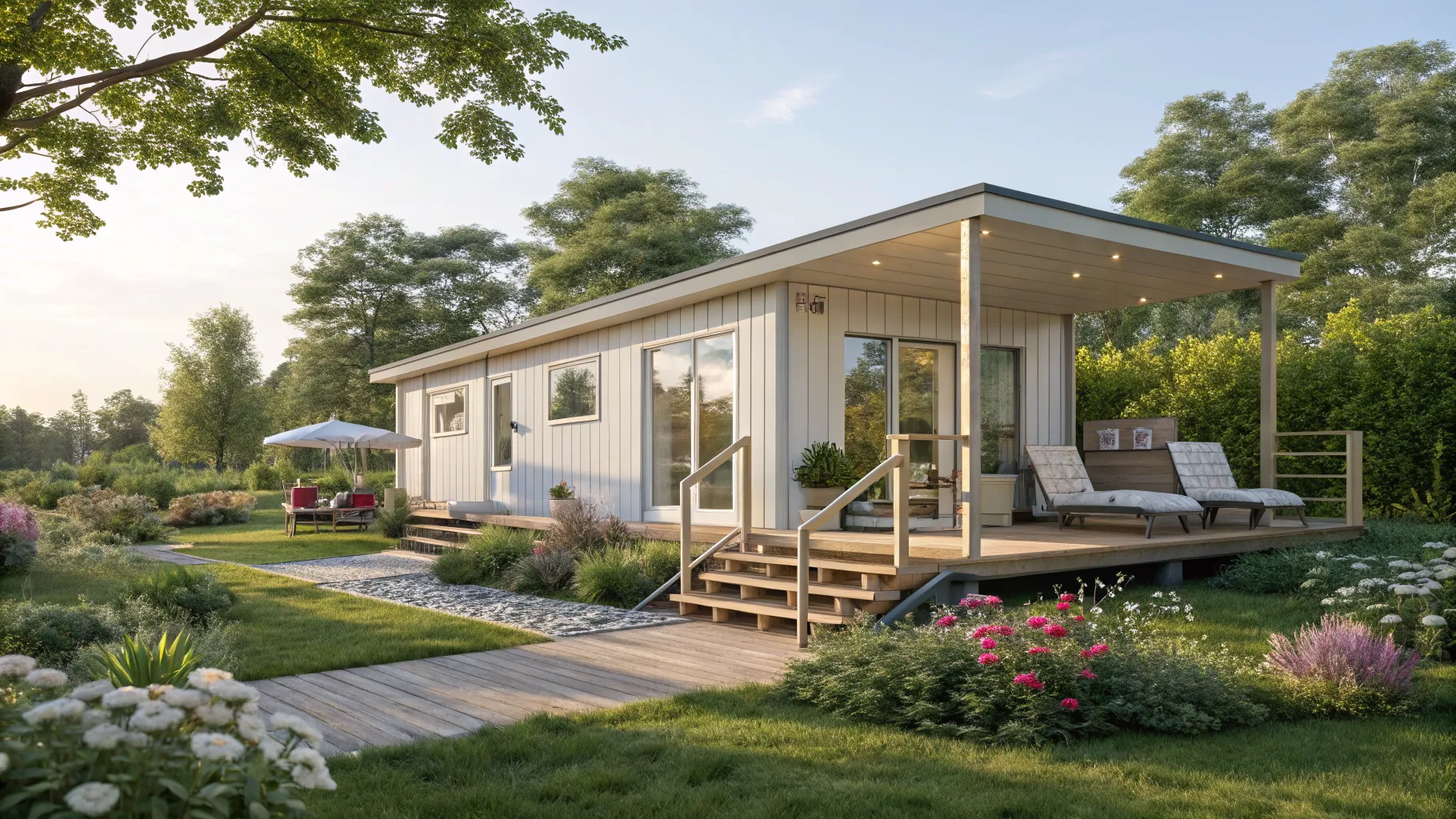
What Qualifies as a Tiny Home?
The term 'tiny home' generally refers to a residential structure under 500 square feet. This is a significant reduction from the average new single-family home in the United States. These compact dwellings are built with efficiency and multi-functionality in mind, maximizing every square inch of space. They are not simply small cabins; modern tiny homes often feature high-end finishes, clever storage solutions, and innovative designs.
There are two primary categories of tiny homes. The first is a Tiny Home on Wheels (THOW), which is built on a trailer chassis and legally classified as a recreational vehicle (RV). This offers mobility and flexibility. The second type is a tiny home built on a permanent foundation, which is subject to local building codes and zoning regulations much like a traditional house. The choice between these two styles has significant implications for placement, financing, and lifestyle.
The Financial Appeal for Retirees
One of the most compelling reasons for retirees to consider a tiny home is the financial benefit. The cost to build or buy a tiny home is a fraction of that of a traditional house, which can free up a significant amount of equity. This newly available capital can be used to supplement retirement savings, cover healthcare costs, or fund travel and hobbies. A lower purchase price also means a smaller or nonexistent mortgage, reducing monthly expenses dramatically.
Beyond the initial cost, the ongoing savings are substantial. Smaller spaces require less energy to heat and cool, leading to lower utility bills. Property taxes are also significantly reduced, as they are based on the home's assessed value. Furthermore, with fewer rooms and less square footage to maintain, the costs associated with upkeep, repairs, and furnishing are minimized, allowing retirement funds to stretch further.
Lifestyle Benefits of Downsizing
Living in a smaller space naturally encourages a more minimalist and intentional lifestyle. With less room for possessions, retirees often find themselves shedding decades of accumulated clutter, keeping only the items that are most useful or meaningful. This process can be liberating, shifting the focus from material goods to experiences and relationships. The reduced time spent on cleaning and home maintenance also frees up hours each week for more enjoyable pursuits.
For those who choose a THOW, the lifestyle offers an unparalleled opportunity for travel and flexibility. You can spend winters in a warmer climate and summers near family, all without leaving the comfort of your own home. Even for those with foundation-based tiny homes, the lower financial burden can make travel more feasible. The simplicity of tiny living allows retirees to design a life based on their passions rather than their obligations to a large property.
Navigating Zoning Laws and Placement
The single biggest challenge for prospective tiny home owners is figuring out where they can legally place their dwelling. Zoning laws were not written with tiny homes in mind, and regulations can vary drastically from one municipality to another. It's crucial to do thorough research on the specific location you're considering. Some areas are very welcoming to tiny homes, while others have strict minimum square footage requirements that exclude them.
Common options for placing a tiny home include:
- Tiny Home Communities: These planned communities are specifically designed for tiny homes, offering legal lots, utility hookups, and a sense of community.
- RV Parks: Tiny Homes on Wheels (THOWs) are often welcome in RV parks, especially for long-term stays. However, some parks have age or appearance rules for the vehicles they allow.
- Accessory Dwelling Unit (ADU) Zoning: Some cities allow tiny homes on foundations to be placed in the backyard of an existing traditional home. This is a popular option for retirees who want to live close to their adult children.
- Rural Land: In some rural or unincorporated areas, zoning regulations can be less strict, making it easier to place a tiny home legally. Always verify with the local planning department.
Designing for Accessibility and Aging in Place
When planning a tiny home for retirement, it's essential to design with long-term accessibility in mind. The goal is to create a space that remains safe and comfortable as you age. While many popular tiny home designs feature sleeping lofts accessible by ladders, this is not a practical solution for most seniors. A single-level design is the most important consideration for aging in place.
Key accessibility features to incorporate include a no-step entry or a ramp, wider doorways (at least 32-36 inches) to accommodate walkers or wheelchairs, and a walk-in shower with grab bars and a bench. Kitchens should be designed with countertops at a comfortable height and easily accessible storage. Good lighting throughout the home is also critical for safety. Planning for these features from the start ensures the tiny home will be a viable long-term housing solution.
Potential Challenges to Consider
While the benefits are numerous, it's important to have a realistic understanding of the potential challenges. The most obvious is the limited space. Downsizing from a 2,000-square-foot house to a 300-square-foot one is a major adjustment. There is less room for possessions, and hosting large family gatherings can be difficult. This requires a significant shift in mindset and lifestyle.
Financing a tiny home can also be more complicated than a traditional home, as many lenders do not offer standard mortgages for them. Buyers often need to seek out personal loans, RV loans (for THOWs), or pay with cash. Additionally, while the idea of a simpler life is appealing, the reality of living in close quarters with a partner can be a new experience. It’s important to consider how the reduced personal space will affect relationships and daily routines before committing to the tiny life.