A Guide to the 14-Day Icelandic Fjords and British Isles Cruise
A two-week cruise that combines the volcanic landscapes of Iceland with the historic ports of the British Isles offers a journey of remarkable contrasts. This type of itinerary appeals to travelers who appreciate both natural wonders and cultural exploration, providing a unique blend of experiences from dramatic fjords to ancient cities, all within a single trip.
What the Itinerary Typically Covers
A 14-day voyage through Iceland and the British Isles is a comprehensive journey that often originates from a major UK port, such as Southampton. The route is typically designed as a loop, heading north towards Iceland first, circumnavigating parts of the island, and then returning south to visit ports in Scotland, Ireland, or England before heading back to the point of origin. This structure allows for several days at sea, providing ample time to relax and enjoy the ship's amenities while traveling between these distinct regions.
The schedule is carefully balanced between immersive port days and relaxing sea days. You can expect to spend several days exploring different Icelandic towns and natural wonders, followed by a sea crossing to the British Isles. The latter part of the trip usually involves shorter sailing distances between ports in places like Scotland's northern isles, Dublin, or Belfast. This pacing provides a good mix of active sightseeing and downtime onboard.
Exploring the Majestic Icelandic Fjords
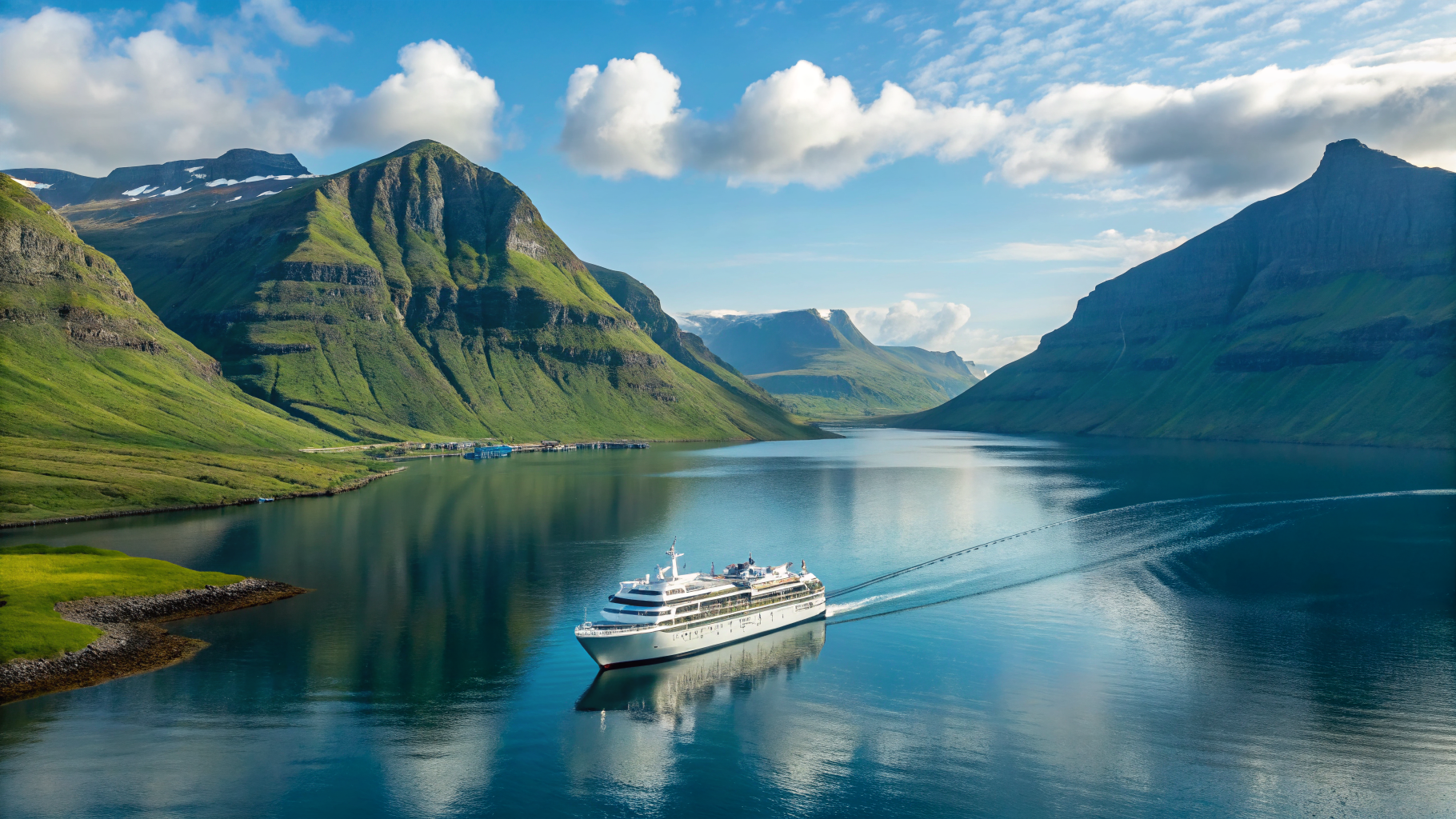
The Icelandic portion of the cruise is a highlight for many, focusing on the country's raw and breathtaking natural beauty. Itineraries often include sailing into scenic fjords, such as those in the Westfjords or Eastfjords region, where towering cliffs and cascading waterfalls create a dramatic backdrop. Ports of call might include Ísafjörður, nestled deep within a fjord, Akureyri in the north, or Seyðisfjörður in the east. The capital, Reykjavík, is also a common stop, offering a mix of culture, history, and access to the famous Golden Circle sights.
Shore excursions in Iceland cater to adventurous and nature-loving travelers. Opportunities often include whale watching tours, visits to powerful waterfalls like Goðafoss, and trips to geothermal areas with bubbling mud pots and hot springs. In Reykjavík, you might explore the city's vibrant arts scene or venture out to soak in a geothermal spa. These experiences allow you to get up close with the unique geology and wildlife that make Iceland so famous.
Discovering the Historic British Isles
After the wild landscapes of Iceland, the cruise shifts focus to the rich history and culture of the British Isles. The ports visited can vary widely, but often include destinations in Scotland, Ireland, and sometimes England or Wales. You might find yourself exploring the ancient Neolithic sites of the Orkney Islands, walking the historic Royal Mile in Edinburgh (from the port of Leith or Rosyth), or discovering the maritime heritage of Belfast.
In Ireland, ports like Dublin or Cork offer a chance to experience lively pub culture, historic cathedrals, and famous landmarks. Each stop provides a different flavor of the region's complex history, from Viking settlements in Scotland to the storied past of Irish cities. Shore excursions tend to focus on castles, museums, city tours, and enjoying the local scenery, offering a stark but fascinating contrast to the Icelandic leg of the journey.
Life Onboard During a Two-Week Voyage
With a 14-day duration, you will spend a significant amount of time on the cruise ship, especially during the longer crossings to and from Iceland. These sea days are an integral part of the experience, offering a chance to recharge between busy port days. Most modern cruise ships are equipped with a wide range of facilities, including multiple restaurants, cafes, theaters, swimming pools, and wellness centers with gyms and spas.
This extended time onboard allows you to settle in and develop a routine. You can take part in scheduled activities, attend lectures about the upcoming destinations, or simply find a quiet spot with an ocean view to read a book. Dining becomes a central part of the daily experience, with options ranging from casual buffets to more formal specialty restaurants, providing variety throughout the two-week trip.
Choosing the Right Time of Year to Go
The cruising season for this region is relatively short, running primarily from late spring to early autumn. The most popular months are June, July, and August, when the weather is at its mildest and the days are longest. In Iceland, this means experiencing the 'midnight sun,' with nearly 24 hours of daylight, which maximizes sightseeing opportunities. The weather in the British Isles is also generally more pleasant during this peak summer period.
Traveling in the shoulder months of May or September can also be an excellent choice. These periods often see fewer crowds and potentially lower prices. While the weather can be more unpredictable, a late-season cruise in September offers the tantalizing possibility of spotting the Northern Lights (Aurora Borealis) as darkness begins to return to the Icelandic skies, which can be a truly magical end to the voyage.
How to Prepare and What to Pack
Packing for a cruise that spans the North Atlantic requires careful planning due to the highly variable weather. The key is to bring layers that you can add or remove as conditions change. Even in summer, Iceland and the Scottish Isles can be cool, windy, and wet. A waterproof and windproof outer jacket is essential, along with warm fleeces or sweaters, long-sleeved shirts, and comfortable trousers. Sturdy, waterproof walking shoes are a must for shore excursions.
Beyond the basics, several other items can enhance your trip. Consider bringing the following to be fully prepared:
- Multiple layers of clothing, including thermal or base layers.
- Waterproof trousers in addition to a jacket.
- A warm hat, gloves, and a scarf.
- Binoculars for spotting wildlife like whales, puffins, and seals.
- A reusable water bottle to stay hydrated.
- A swimsuit for onboard pools or Icelandic geothermal lagoons.
- Slightly dressier outfits for evenings, as some ships have formal nights.
Finally, remember to check currency requirements. You will likely need Icelandic Króna for Iceland, British Pounds for the UK ports, and Euros if your itinerary includes the Republic of Ireland. While credit cards are widely accepted, having some local currency on hand is always a good idea for small purchases.