A Guide to Popular Dog Food Brands
Navigating the pet food aisle can feel like a monumental task. With countless brands, formulas, and marketing claims, it's hard to know what's truly best for your dog. This guide will help you understand the landscape of popular dog food brands, empowering you to make an informed decision based on your dog's unique needs.
Understanding Dog Food Labels and Ingredients
Before comparing brands, it's essential to know how to read a dog food label. Look for a statement from the Association of American Feed Control Officials (AAFCO), which indicates the food is formulated to meet the nutritional levels established for a dog's specific life stage, such as puppy, adult, or senior. This is a crucial indicator of a complete and balanced diet.
The ingredient list is ordered by weight, so the first few ingredients make up the bulk of the food. A high-quality protein source, like deboned chicken, beef, or fish, should ideally be listed first. Be mindful of ingredient splitting, a practice where a lesser ingredient is broken down into several parts (like corn, corn gluten meal, and corn flour) to appear lower on the list.
Types of Dog Food Available
Dog food comes in several primary forms, each with its own set of benefits and considerations. Understanding these types can help you narrow down which brands to explore for your pet.
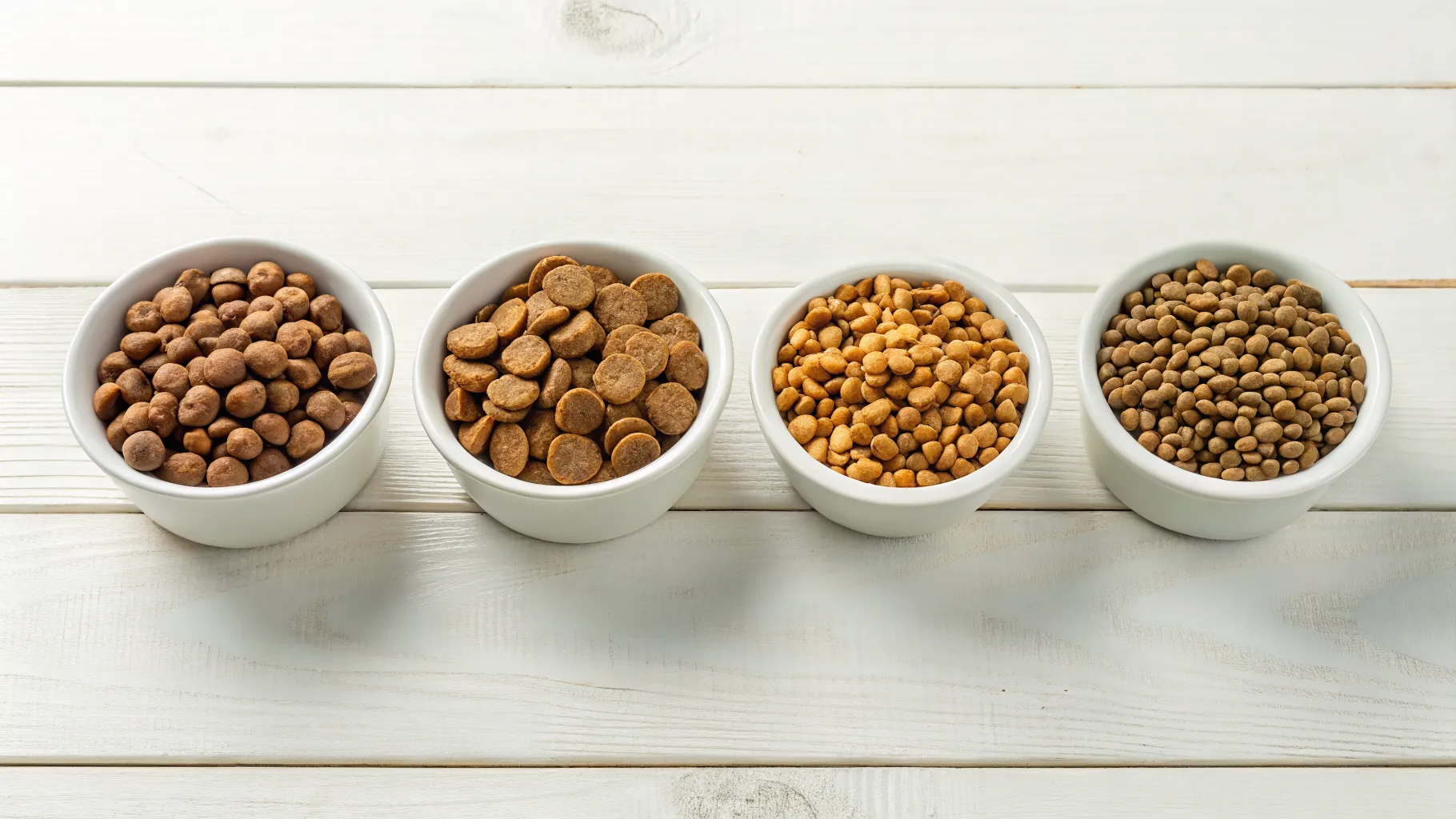
- Dry Food (Kibble): This is the most common and often most affordable option. It's convenient, has a long shelf life, and the crunchy texture can help with dental hygiene.
- Wet (Canned) Food: Wet food has high moisture content, which is great for hydration. It is often more palatable for picky eaters and can be easier for senior dogs to chew.
- Fresh or Refrigerated Food: This category has grown in popularity. These foods are minimally processed and often made with human-grade ingredients, but they require refrigeration and are typically more expensive.
- Raw Food: Proponents of raw diets believe they mimic what a dog's ancestors ate. These diets can be store-bought (frozen or freeze-dried) or prepared at home, but they require careful handling to avoid bacteria.
Key Factors in Evaluating Dog Food Brands
When you start ranking brands for yourself, several factors come into play beyond just the ingredient list. A brand's reputation and history are very important. Look into how long the company has been around and whether they have a history of frequent product recalls. A brand with a consistent track record of safety is often a reliable choice.
Consider the company's approach to research and quality control. Many reputable brands employ veterinary nutritionists and conduct feeding trials to test their formulas. While this information may not be on the bag, it can often be found on the company's website or by contacting their customer service. Price is also a factor, but it's best to look for the highest quality you can comfortably afford rather than simply choosing the cheapest option.
A Look at Premium and Boutique Brands
Premium dog food brands often distinguish themselves with high-quality, specialized ingredients. You may find formulas featuring novel proteins like duck or bison, which can be beneficial for dogs with common food allergies. These brands frequently offer specialized diets, such as grain-free, limited ingredient, or life-stage specific formulas for puppies, seniors, and active dogs.
Many of these higher-end foods are manufactured in smaller batches with a strong emphasis on sourcing. They might use terms like 'human-grade' or 'ethically sourced' to describe their ingredients. While these brands come with a higher price tag, they can be a good option for owners looking to address specific health concerns or who prefer to feed their pet a diet with carefully selected components.
Navigating Mid-Range and Store Brands
You do not have to purchase the most expensive food to provide your dog with excellent nutrition. Many mid-range and store brands offer high-quality, balanced options that meet AAFCO standards. These foods are widely available in supermarkets and large pet stores, making them convenient and accessible for most pet owners.
When looking at these brands, apply the same principles of label reading. Look for a whole protein as the first ingredient and a clear nutritional adequacy statement. Many established brands in this category have decades of research behind their products and offer a wide variety of formulas to suit different dogs, providing a great balance of quality and value.
Considering Special Dietary Needs
A dog's nutritional requirements change throughout its life. It's crucial to choose a food that is appropriate for your dog's age, size, and activity level. For example, puppies need more calories and specific nutrients for growth, while senior dogs may benefit from a diet lower in calories but higher in joint-supporting ingredients.
Breed size is another important consideration. Large-breed puppy formulas are designed to support controlled bone growth to prevent joint problems later in life. Small-breed formulas often have smaller kibble sizes and are more calorie-dense to support their faster metabolisms. If your dog has a sensitive stomach or allergies, a veterinarian might recommend a limited ingredient diet or a prescription diet to manage their condition.
How to Choose the Best Food for Your Dog
Ultimately, the best brand of dog food is the one that your specific dog thrives on. A healthy coat, consistent energy levels, firm stools, and a healthy weight are all signs that a food is working well for your pet. When you decide to try a new food, always transition slowly over 7 to 10 days by gradually mixing the new food with the old food.
The most valuable resource you have is your veterinarian. They can assess your dog's overall health and provide personalized recommendations based on your dog's individual needs, lifestyle, and any health conditions. They can help you cut through the marketing and choose a food backed by science and appropriate for your beloved companion.