A Guide to Exquisite Diamond Engagement Ring Styles
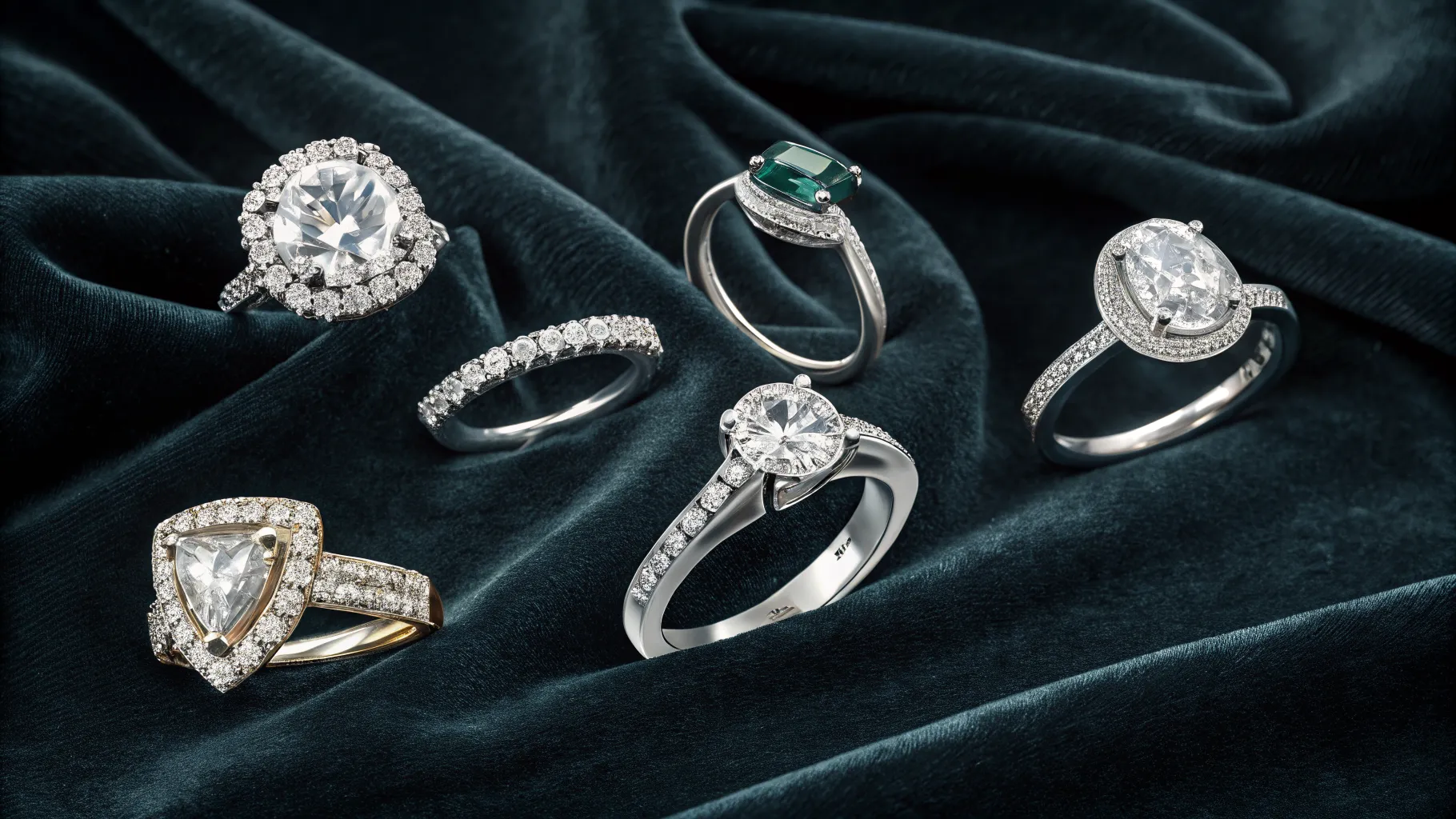
Choosing a diamond engagement ring is a significant decision, representing a personal story and a commitment. With a vast array of styles, settings, and diamond shapes available, understanding the key elements can help you navigate the options. From the classic elegance of a solitaire ring to the intricate beauty of a custom design, each choice contributes to a piece of jewelry that will be cherished for a lifetime.
The Timeless Appeal of the Classic Solitaire
The solitaire is arguably the most classic and iconic engagement ring style. It features a single, central diamond mounted on a simple band, a design that places all the focus on the beauty of the stone. Its enduring popularity comes from its understated elegance and versatility. The clean lines of a solitaire setting create a timeless look that never goes out of style and complements any wedding band perfectly.
While simple in concept, the solitaire can be customized through the choice of diamond shape and the style of the prongs that hold it. A round brilliant cut is the most traditional choice, maximizing sparkle, but other shapes like oval, princess, or cushion cuts can give the ring a more modern or unique feel. The setting itself can also vary, from a classic four-prong design to a more secure six-prong or a sleek bezel setting that encircles the diamond completely.
Popular Diamond Shapes and Their Characteristics
The shape of the diamond, also referred to as its cut, is a primary factor in the ring's overall aesthetic. Each shape has unique properties that affect its brilliance and character. Understanding the most popular options is a great first step in finding a style that resonates with you or your partner's personal taste.
- Round Brilliant: The most popular and classic choice, engineered for maximum sparkle and fire. Its 58 facets are designed to reflect light beautifully.
- Princess Cut: A square or rectangular shape with sharp corners and brilliant facets, offering a modern alternative to the round cut with excellent sparkle.
- Oval Cut: An elongated version of the round brilliant, the oval cut can make the finger appear longer and slimmer. It offers similar brilliance to a round diamond.
- Emerald Cut: Known for its rectangular shape and step-cut facets, the emerald cut provides a more subtle, hall-of-mirrors effect rather than intense sparkle. It highlights the diamond's clarity.
- Cushion Cut: This square or rectangular shape with rounded corners combines a classic feel with modern brilliance. It has been popular for centuries and offers a soft, romantic look.
Beyond the Solitaire: Exploring Other Ring Settings
While the solitaire is a timeless choice, many other settings offer different ways to display a diamond and enhance its beauty. A halo setting, for instance, encircles the center stone with a ring of smaller pavé diamonds. This not only makes the central diamond appear larger but also adds a significant amount of extra sparkle to the overall design. It's a popular choice for those looking for a glamorous and eye-catching ring.
Other common styles include the three-stone setting and the pavé band. A three-stone ring typically features a larger center diamond flanked by two smaller stones, often symbolizing the past, present, and future of a relationship. A pavé setting involves embedding small diamonds closely together along the band, creating a continuous, glittering surface of light. Both options add complexity and meaning to the ring's design.
Creating a Unique Piece: The Custom Design Process
For those who want a truly one-of-a-kind ring, custom design is an excellent path. This process allows you to have direct input into every element of the ring, from the diamond shape and setting to the choice of metal and intricate band details. Working with a jeweler, you can bring a specific vision to life, incorporate meaningful symbols, or create a design that perfectly suits a unique personal style.
The custom process typically begins with a consultation to discuss ideas, inspirations, and budget. From there, a designer may create sketches or a 3D computer-aided design (CAD) rendering for your approval. This allows you to visualize the final piece and make adjustments before it is cast and set. While it can be more time-intensive, the result is a deeply personal piece of jewelry that tells a unique story.
Selecting the Perfect Metal for the Band
The metal of the engagement ring band not only provides the foundation for the setting but also contributes significantly to the ring's overall look and feel. The most popular choices each have distinct properties, colors, and maintenance requirements. Platinum is a naturally white, dense, and highly durable metal, making it a premium choice that is also hypoallergenic. White gold is another popular white metal, offering a similar look to platinum at a more accessible price point, though it may require re-plating over time to maintain its bright white finish.
For those who prefer warmer tones, yellow gold offers a classic, traditional look that beautifully complements diamonds. Rose gold has gained immense popularity for its romantic, pinkish hue, which is created by alloying gold with copper. It offers a vintage-inspired and modern aesthetic that flatters many skin tones. The choice of metal often comes down to personal preference, lifestyle, and how it pairs with other jewelry.
Understanding Diamond Quality and Your Budget
Navigating the world of diamonds often means becoming familiar with the '4Cs': Cut, Color, Clarity, and Carat weight. These four factors are the global standard for assessing the quality of any diamond and are the primary drivers of its price. Cut refers not to the shape, but to the quality of the diamond's angles and facets, which determines its ability to reflect light and sparkle. Color is graded on a scale from D (colorless) to Z (light yellow or brown), with colorless diamonds being the rarest.
Clarity measures the absence of internal inclusions or external blemishes, while Carat refers to the diamond's weight. Finding the right ring within a specific budget often involves balancing these four factors. For instance, prioritizing the Cut grade can have the biggest impact on a diamond's brilliance. You might also consider a diamond with a slightly lower color or clarity grade that is 'eye-clean' (flaws are not visible to the naked eye) to get a larger carat size. Exploring lab-grown diamonds, which are chemically identical to mined diamonds, can also be a way to find a high-quality stone within your budget.