A Guide to Custom Orthotics for Plantar Fasciitis
Living with plantar fasciitis often means dealing with persistent heel pain that can disrupt daily activities. While many remedies exist, custom orthotics are a frequently recommended solution prescribed by healthcare professionals. Unlike over-the-counter insoles, these devices are specifically designed to match the unique contours of your feet, addressing the underlying biomechanical issues that contribute to the condition.
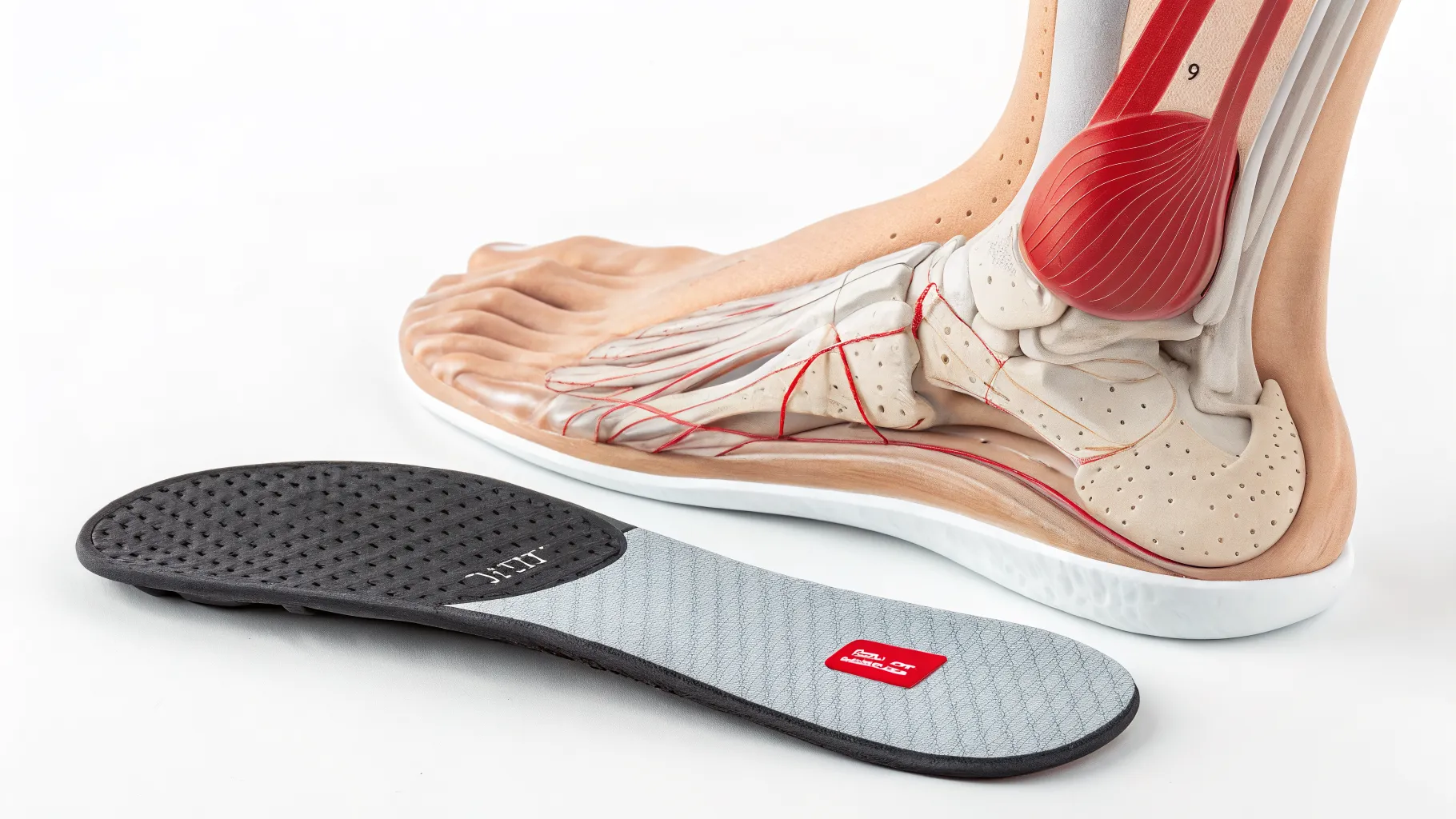
What Exactly Are Custom Orthotics?
Custom orthotics are prescription medical devices that you wear inside your shoes to correct biomechanical foot issues. They are crafted to fit your feet perfectly, providing support exactly where you need it. For someone with plantar fasciitis, this means creating a device that supports the arch and cushions the heel to reduce stress on the plantar fascia ligament.
The primary difference between custom orthotics and off-the-shelf insoles lies in the customization process. Over-the-counter options are mass-produced in standard sizes and offer generic cushioning and support. Custom orthotics, on the other hand, are made from a precise mold or digital scan of your feet, using materials selected by a professional to meet your specific needs for support, rigidity, and comfort.
How Orthotics Alleviate Plantar Fasciitis Pain
Plantar fasciitis involves inflammation of the thick band of tissue that runs across the bottom of your foot, connecting your heel bone to your toes. Custom orthotics help by addressing the root causes of this stress. They provide critical arch support, which prevents the arch from collapsing excessively during movement, thereby reducing the strain on the plantar fascia.
Furthermore, these devices can help realign the foot and ankle into a more anatomically correct position. This correction improves your gait and ensures that pressure is distributed more evenly across the entire foot with each step. By cushioning the heel and controlling foot motion, orthotics can significantly decrease the sharp, stabbing pain commonly associated with this condition.
The Process of Getting Custom Orthotics
Obtaining custom orthotics involves several key steps, starting with a consultation with a qualified healthcare provider, such as a podiatrist or a certified orthotist. During this initial visit, the professional will conduct a thorough evaluation of your feet, ankles, and legs. They will likely observe your gait, assess your foot structure, and discuss your symptoms and lifestyle to understand your specific needs.
After the evaluation, the provider will take a precise impression of your feet. This is a critical step that ensures the final product is truly custom. There are a few common methods for this:
- 3D Digital Scanning: A non-contact laser scanner captures a precise, three-dimensional image of your foot.
- Plaster Casting: The provider wraps your foot in plaster bandages to create a solid, negative mold.
- Foam Box Impression: You press your foot into a box of crushable foam to leave a detailed impression.
This impression is then sent to a specialized lab where the orthotics are manufactured according to the provider's prescription. Once they are ready, you will have a fitting appointment to ensure they fit correctly in your shoes and are comfortable.
Functional vs. Accommodative Orthotics
Custom orthotics generally fall into two categories: functional and accommodative. Functional orthotics are typically rigid or semi-rigid and are designed to control abnormal motion and correct foot function. They are often made from materials like polypropylene or carbon fiber. These are effective at treating conditions caused by poor alignment, such as the overpronation often linked to plantar fasciitis.
Accommodative orthotics are much softer and are designed to provide cushioning and support rather than to control motion. They are made from compressible materials and are used to relieve pressure from painful or sore spots, making them suitable for various foot conditions. For plantar fasciitis, a podiatrist often prescribes a semi-rigid orthotic that combines the motion control of a functional device with the cushioning of an accommodative one.
Finding a Qualified Provider
The success of custom orthotics heavily depends on the expertise of the person who prescribes and fits them. It is essential to seek a consultation with a licensed podiatrist, a certified pedorthist, or an orthotist. These professionals have specialized training in foot biomechanics and the fabrication of orthotic devices. They can accurately diagnose your condition and determine the most appropriate type of orthotic for your feet and lifestyle.
When you meet with a provider, don't hesitate to ask questions. Inquire about their experience with treating plantar fasciitis, the types of materials they recommend, their casting or scanning methods, and what their policy is for follow-up appointments and adjustments. A good provider will be transparent and ensure you are comfortable with the entire process.
Understanding the Cost and Insurance Coverage
Custom orthotics are a significant investment in your health, and their cost reflects the professional expertise, technology, and materials involved. Prices can range from a few hundred to over a thousand dollars, depending on the provider, location, and complexity of the device. This cost typically includes the initial assessment, the foot impression, the orthotics themselves, and one or more fitting and adjustment appointments.
Insurance coverage for custom orthotics varies widely. Some plans cover a portion of the cost, while others do not cover them at all. It is crucial to contact your insurance company before your appointment to understand your benefits. You will almost always need a prescription from a qualified medical professional for your claim to be considered. Be prepared to ask your provider for the necessary documentation for your insurance claim.