A Guide to Cruises from Athens to Greece and Croatia
Embarking on a cruise from Athens offers a unique opportunity to explore two of the Mediterranean's most captivating destinations: Greece and Croatia. This journey combines the cradle of Western civilization with the stunning natural beauty of the Adriatic coast, providing a rich tapestry of history, culture, and scenic landscapes. Understanding the options available can help you plan an unforgettable maritime adventure.
Understanding the Journey: What to Expect
The appeal of this cruise route lies in its incredible diversity. One day you might be walking through ancient ruins in Greece, and the next you could be swimming in the crystal-clear waters of a Croatian cove. These cruises are designed to showcase a blend of iconic historical sites and breathtaking natural scenery, offering a comprehensive look at the region.
Life onboard typically balances active days of exploration with relaxing evenings at sea. You can expect a blend of cultural immersion during port days and ample opportunities for rest and entertainment while sailing between destinations. The journey itself, with its stunning sea views and leisurely pace, is as much a part of the experience as the ports you visit.
Typical Itineraries and Ports of Call
Most cruises departing from Athens' port, Piraeus, follow a route through the Aegean Sea before heading north into the Adriatic. While specific itineraries vary between cruise lines and trip lengths, certain destinations are perennial favorites due to their beauty and historical significance. The journey is carefully planned to maximize daylight hours in port.
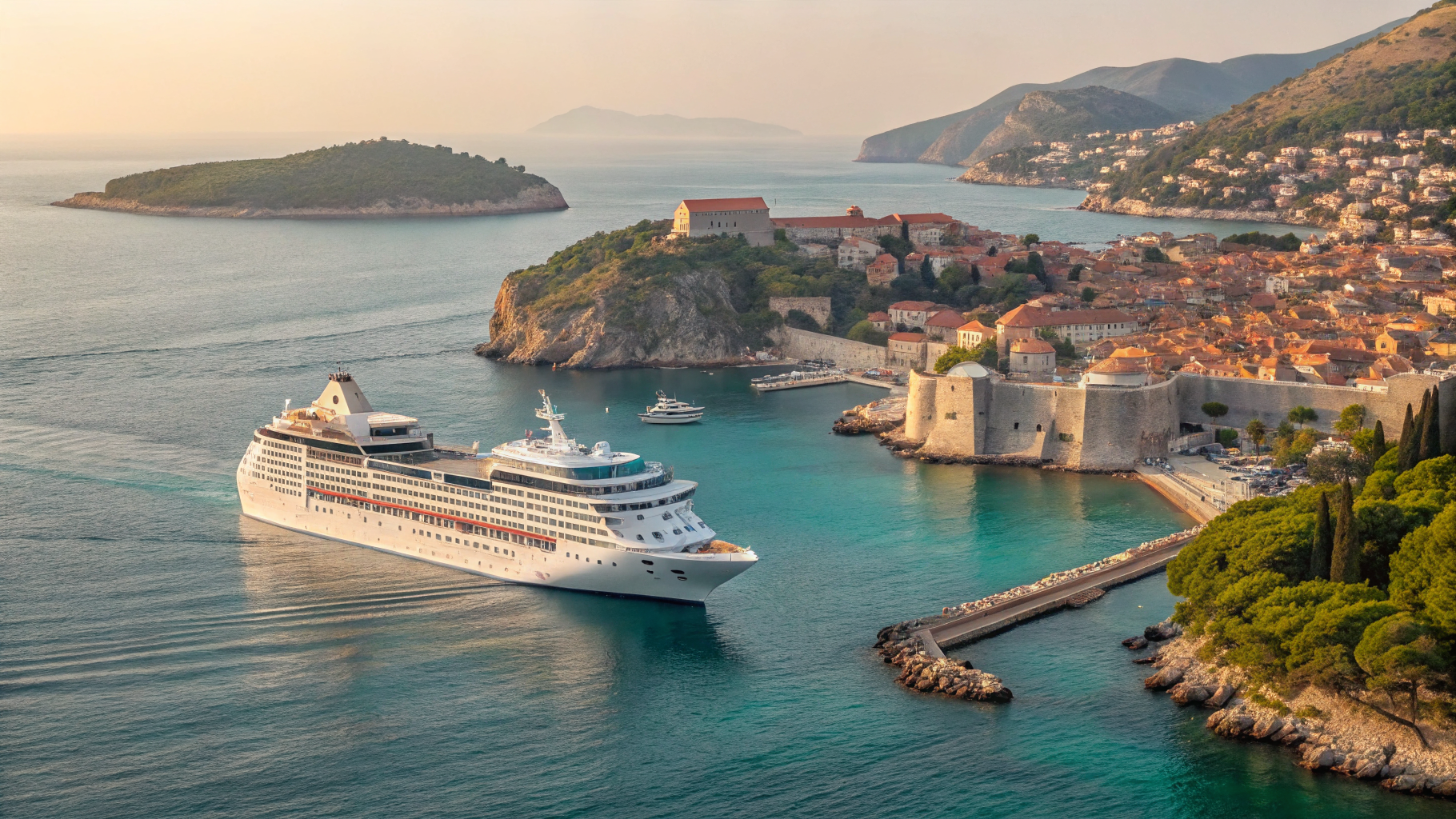
In Greece, popular stops often include islands like Mykonos, known for its vibrant atmosphere and iconic windmills, and Santorini, famous for its caldera views and white-washed villages. As the ship moves towards Croatia, common ports of call include Dubrovnik, the 'Pearl of the Adriatic,' with its magnificent city walls, and Split, home to the sprawling Diocletian's Palace. Some itineraries may also feature stops in Montenegro or other Adriatic gems.
Choosing the Best Time to Travel
The Mediterranean cruise season generally runs from late spring to early autumn. The peak months of July and August offer the warmest weather and the most vibrant atmosphere, but they also bring the largest crowds and highest prices. If you enjoy a bustling environment and hot, sunny days, this is the ideal time to go.
For a more balanced experience, consider traveling during the shoulder seasons of May, June, September, or October. During these months, the weather is still pleasantly warm, the crowds are smaller, and you may find more favorable pricing. The water is comfortable for swimming, and the conditions are ideal for sightseeing without the intense summer heat.
Types of Cruise Ships and Lines
The type of cruise ship you choose will significantly shape your experience. This popular route is serviced by a wide range of vessels, from massive, resort-style ships to smaller, more intimate luxury yachts. Larger ships often provide a vast array of amenities, including multiple restaurants, pools, theaters, and kids' clubs, making them a popular choice for families or those seeking constant entertainment.
Smaller ships, on the other hand, can offer a more personalized and destination-focused journey. They can often access smaller, less-crowded ports that larger vessels cannot reach, providing a unique perspective on the region. These cruises may appeal to travelers seeking a quieter, more in-depth exploration of local culture and hidden coves. Consider what style of travel best suits your preferences when reviewing your options.
Onshore Excursions and Activities
When you arrive at a port, you generally have a few options for exploring. Most cruise lines offer a menu of organized shore excursions, which can range from guided historical tours and wine tastings to active adventures like kayaking or hiking. These are a convenient way to see the highlights, as all transportation and logistics are handled for you.
Alternatively, you can explore independently. Many Mediterranean ports are very walkable, allowing you to wander through historic old towns, browse local markets, and dine at authentic cafes at your own pace. Before you go, it's a good idea to research each port to decide if an organized tour or independent exploration is the better fit for your interests, budget, and desired activity level.
Practical Tips for Your Voyage
A little preparation can go a long way in ensuring a smooth trip. Packing should include a mix of casual wear for the ship, comfortable walking shoes for sightseeing, and perhaps some slightly more formal attire for evening dinners, depending on the cruise line's dress code. Don't forget essentials like sunscreen, a hat, sunglasses, and a reusable water bottle to stay hydrated.
It is also wise to be prepared for the different destinations. Both Greece and Croatia are in the European Union, and the Euro is the official currency in Greece. Croatia also officially uses the Euro, which simplifies transactions. Ensure your travel documents are valid for the duration of your trip, and consider purchasing travel insurance for peace of mind.