A Guide to Creating Fun and Safe Homemade Cat Toys
Creating toys for your cat at home can be a rewarding experience for both you and your feline companion. It's a wonderful way to provide mental and physical stimulation, recycle common household items, and tailor playtime specifically to your cat's unique personality. From simple paper balls to more elaborate puzzle boxes, the possibilities are nearly endless.
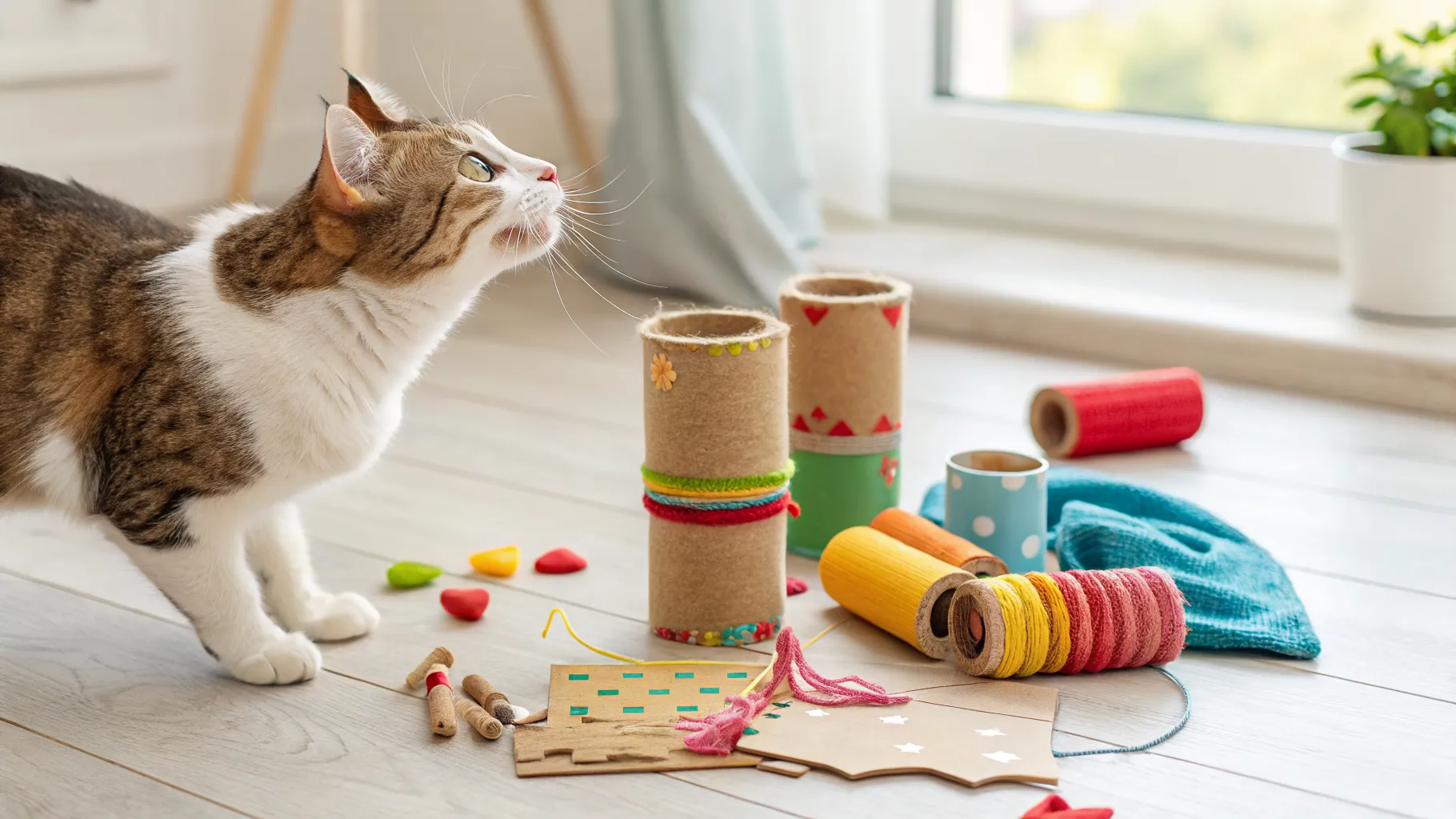
Why Bother Making Cat Toys?
One of the most significant benefits of homemade toys is cost savings. Store-bought toys can be expensive, and cats are notoriously fickle, often preferring the packaging to the toy itself. Making your own allows you to experiment with different textures and sounds to see what your cat truly enjoys without a financial commitment.
Beyond the budget, DIY toys offer a fantastic form of enrichment. You can design toys that cater to your cat's natural instincts to hunt, stalk, and pounce. This process can also be a bonding experience, as you learn more about your pet's preferences and spend quality time creating something just for them. It also provides an excellent opportunity to repurpose items that would otherwise be discarded.
The Golden Rule: Safety First
Before you start gathering materials, safety must be your top priority. Cats can be surprisingly destructive with their toys, and small, ingested parts can lead to serious health issues. Always supervise your cat with new toys, especially those with smaller components.
When selecting materials, it's essential to know what is safe and what to avoid. Here are some general guidelines:
- Safe Materials: Cardboard tubes, untreated wood, sisal rope, sturdy fabrics like felt or fleece, corks, and paper.
- Materials to Avoid: Yarn and string (ingestion hazard, only for supervised play), rubber bands, small plastic eyes or beads, staples, paper clips, toxic glues, and dyed feathers that could contain harmful chemicals.
Easy No-Sew Toy Ideas
You don't need to be a crafting expert to make a toy your cat will love. Some of the most beloved cat toys are the simplest. A tightly crumpled ball of paper or a piece of aluminum foil can provide hours of fun. The crinkling sound is often irresistible to cats and mimics the sound of scurrying prey.
Cardboard is another fantastic and versatile material. An empty toilet paper or paper towel roll can be transformed into a treat puzzle by folding in the ends and poking small holes in the side. You can also create a simple 'foraging box' by placing treats or kibble inside a small cardboard box with holes cut into it, encouraging your cat to work for their food.
Simple Fabric and Fiber Crafts
If you have some scrap fabric like fleece or felt, you can easily create kickers or plush toys. Cut two identical shapes, such as a fish or a mouse, and tie the edges together with knotted strips of the fabric itself, leaving a small opening. Stuff the toy with a bit of polyester filling and some catnip before tying it completely shut. This creates a soft, durable toy perfect for wrestling.
While yarn and string can be dangerous if left unattended, they make excellent components for interactive wand toys. Securely tie long strips of fleece, fabric, or thick, sturdy ribbons to the end of a wooden dowel or stick. This allows you to engage in supervised play, mimicking the flight of a bird or the slithering of a snake to trigger your cat's hunting instincts safely.
Brain Games: DIY Puzzle Feeders
Puzzle feeders are an excellent way to provide mental stimulation and slow down cats that eat too quickly. A simple version can be made from a clean, empty plastic bottle. Carefully cut several small holes into the sides of the bottle, large enough for kibble or small treats to fall out. Fill the bottle, put the cap on, and let your cat roll it around to release the food.
Another idea is an 'egg carton puzzle'. Take a cardboard egg carton and place treats in a few of the cups. You can leave it open at first, and as your cat gets the hang of it, you can make it more challenging by loosely placing small, cat-safe balls (like ping pong balls or felted wool balls) over the treats, requiring them to nudge the balls out of the way to get their reward.
Adding Sensory Excitement
To make your homemade toys even more appealing, consider adding elements that engage your cat's other senses. Catnip is a classic choice for many felines, and a small pinch inside a fabric toy can make it irresistible. For cats that don't respond to catnip, silver vine or valerian root are excellent alternatives that can produce a similar euphoric effect.
Sound is another powerful attractant. You can place a small jingle bell inside a securely made toy, ensuring it cannot be extracted. Another option is to incorporate crinkly material, such as clean, safe cellophane or specially designed 'crinkle paper' from a craft store. The noise can stimulate your cat's predatory drive and keep them engaged for longer periods.
Inspecting and Refreshing Your Creations
Just like store-bought toys, homemade ones will eventually wear out. It is important to regularly inspect your DIY creations for any signs of damage, such as loose threads, sharp edges on cardboard, or parts that could break off and become a choking hazard. Discard any toy that is starting to fall apart to ensure your cat's safety.
Part of the fun of making your own toys is that they are easy to replace and refresh. You can rotate different types of toys to prevent boredom. If you notice your cat is losing interest in an old favorite, you can sometimes revive it by adding a fresh sprinkle of catnip or tying on a new ribbon. This keeps playtime fresh, exciting, and consistently safe for your beloved pet.