A Guide to CPAP Machines for Sleep Apnea
For individuals diagnosed with obstructive sleep apnea (OSA), a Continuous Positive Airway Pressure (CPAP) machine is often the primary line of treatment. This therapy is designed to keep the airway open during sleep, preventing the pauses in breathing that characterize the condition. Understanding the components, types, and features of these devices is the first step toward successful therapy and better sleep.
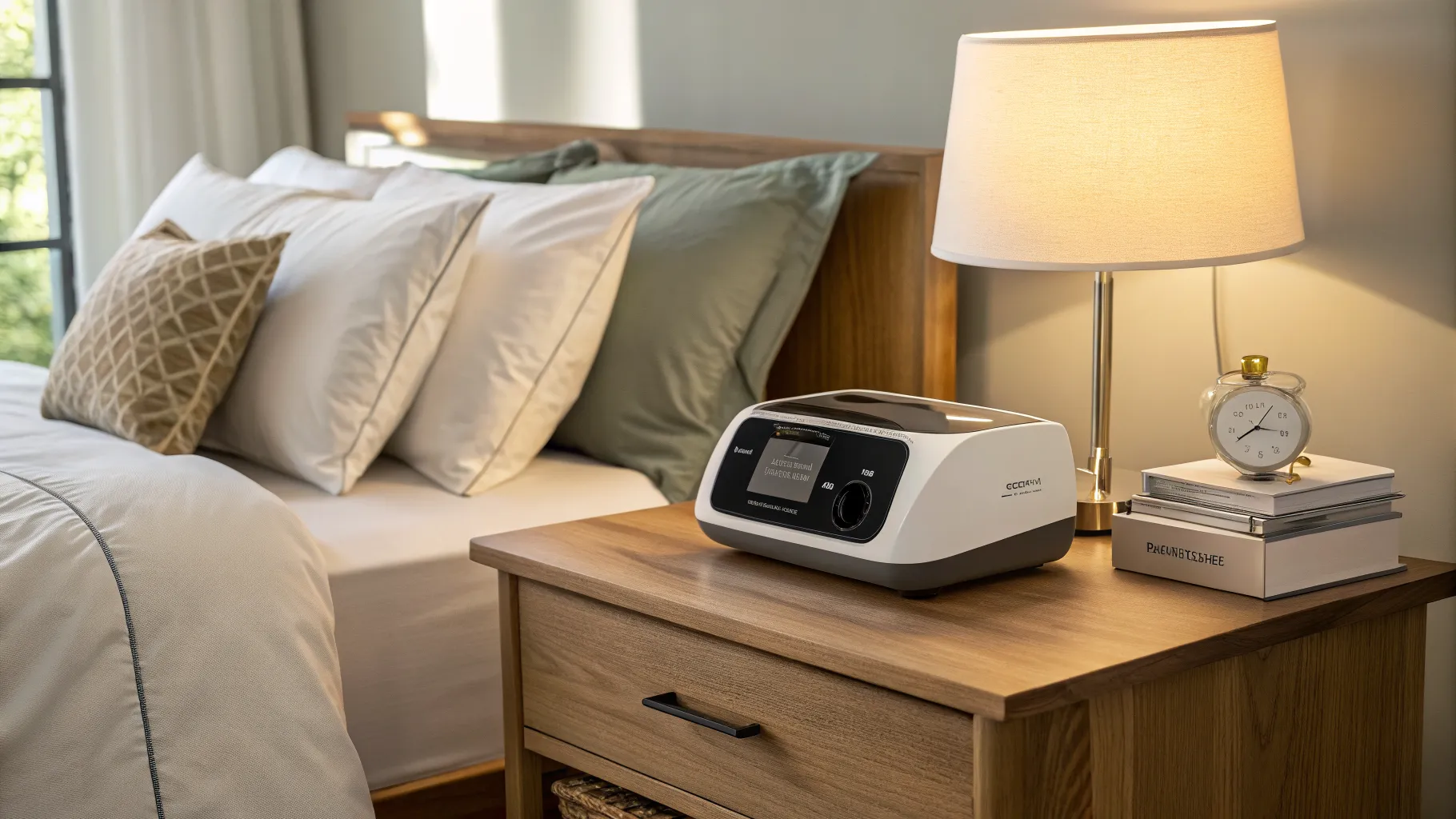
What is a CPAP Machine and How Does It Work?
CPAP stands for Continuous Positive Airway Pressure. A CPAP machine is a medical device that helps a person with sleep apnea breathe more easily during sleep. The machine works by drawing in room air, pressurizing it, and then delivering it through a hose and mask to the user's airway. This constant, gentle stream of air creates enough pressure to keep the throat from collapsing or becoming blocked.
By preventing these airway obstructions, the CPAP machine allows for uninterrupted breathing throughout the night. This can lead to a significant reduction in apnea events, improved sleep quality, and a decrease in daytime sleepiness. It is a non-invasive treatment that addresses the physical mechanism of obstructive sleep apnea without requiring surgery or medication.
Understanding Different Types of PAP Machines
While CPAP is the most common term, there are actually a few different types of Positive Airway Pressure (PAP) machines. The specific type recommended by a healthcare provider depends on the individual's needs and the severity of their sleep apnea. The main types include CPAP, APAP, and BiPAP.
It's helpful to know the distinctions. A standard CPAP machine delivers a single, continuous pressure setting prescribed by a doctor. An APAP, or Auto-adjusting Positive Airway Pressure machine, uses algorithms to automatically adjust the pressure level throughout the night based on the user's breathing patterns. A BiPAP, or Bilevel Positive Airway Pressure machine, provides two different pressure settings: a higher pressure for inhalation and a lower pressure for exhalation, which some users find more comfortable.
The Core Components of a CPAP System
A complete CPAP setup consists of several key parts that work together. Understanding each component can help you use and maintain your equipment effectively for optimal results. While models vary, nearly all systems include the following essential elements.
- The Main Unit: This is the base of the system, containing a small motor that pressurizes the air. Modern units are often quiet and compact, with user-friendly controls and digital displays.
- The Humidifier: Many CPAP machines have an integrated or optional heated humidifier. This component adds moisture to the pressurized air, preventing dryness in the nasal passages, mouth, and throat.
- The Hose: A flexible, lightweight tube connects the main unit to the mask, carrying the pressurized air. Hoses come in various lengths, and some may be heated to reduce condensation.
- The Mask: The mask is the interface that delivers the air to your airway. Choosing the right mask is crucial for comfort and a proper seal.
Choosing the Right CPAP Mask Style
The mask is arguably the most critical component for comfort and compliance with CPAP therapy. A poor-fitting or uncomfortable mask can lead to air leaks, skin irritation, and a desire to stop using the device. There are three primary styles of masks, each suited to different needs and preferences.
Nasal pillow masks are the smallest, resting at the entrance of the nostrils and creating a seal with soft, pliable pillows. They are ideal for people who feel claustrophobic or want a minimal-contact option. Nasal masks cover the entire nose, from the bridge to the upper lip, and are a good middle-ground option. Full-face masks cover both the nose and mouth, making them suitable for individuals who breathe through their mouths during sleep or experience nasal congestion.
Key Features to Look For
When comparing different CPAP machines, several features can enhance comfort and usability. While a doctor will prescribe the necessary pressure settings, these additional functions can make a significant difference in your day-to-day experience with the therapy. It's wise to be aware of what is available so you can have an informed discussion with your healthcare provider or medical equipment supplier.
Common features include a ramp function, which starts the pressure at a very low level and gradually increases it to the prescribed setting as you fall asleep. Heated humidification, as mentioned, is another popular feature for comfort. Many modern devices also offer advanced data tracking, allowing you and your doctor to monitor therapy effectiveness through an app or web portal. Portability and noise level are also important considerations, especially for frequent travelers or light sleepers.
Maintenance and Cleaning Your Equipment
Proper cleaning and maintenance are essential for ensuring your CPAP therapy is effective and hygienic. Regular cleaning prevents the buildup of germs, mold, and minerals, which can lead to illness or damage the machine. It is important to follow the manufacturer's specific instructions for your device.
Generally, the mask, water chamber, and hose should be cleaned daily or weekly. Most components can be washed with warm, soapy water and then air-dried away from direct sunlight. The machine's exterior should be wiped down regularly, and the filters should be checked, cleaned, or replaced according to the recommended schedule. Consistent care not only promotes better health but also extends the life of your equipment.