A Guide to Classic and Modern Beach House Designs
Designing a house by the beach involves more than just choosing a nice color palette; it's about creating a structure that embraces its unique environment while standing up to the coastal elements. A well-designed beach house maximizes views, invites in natural light, and offers a seamless transition between indoor comfort and outdoor living. It requires careful consideration of materials, layout, and style to create a space that is both beautiful and resilient.
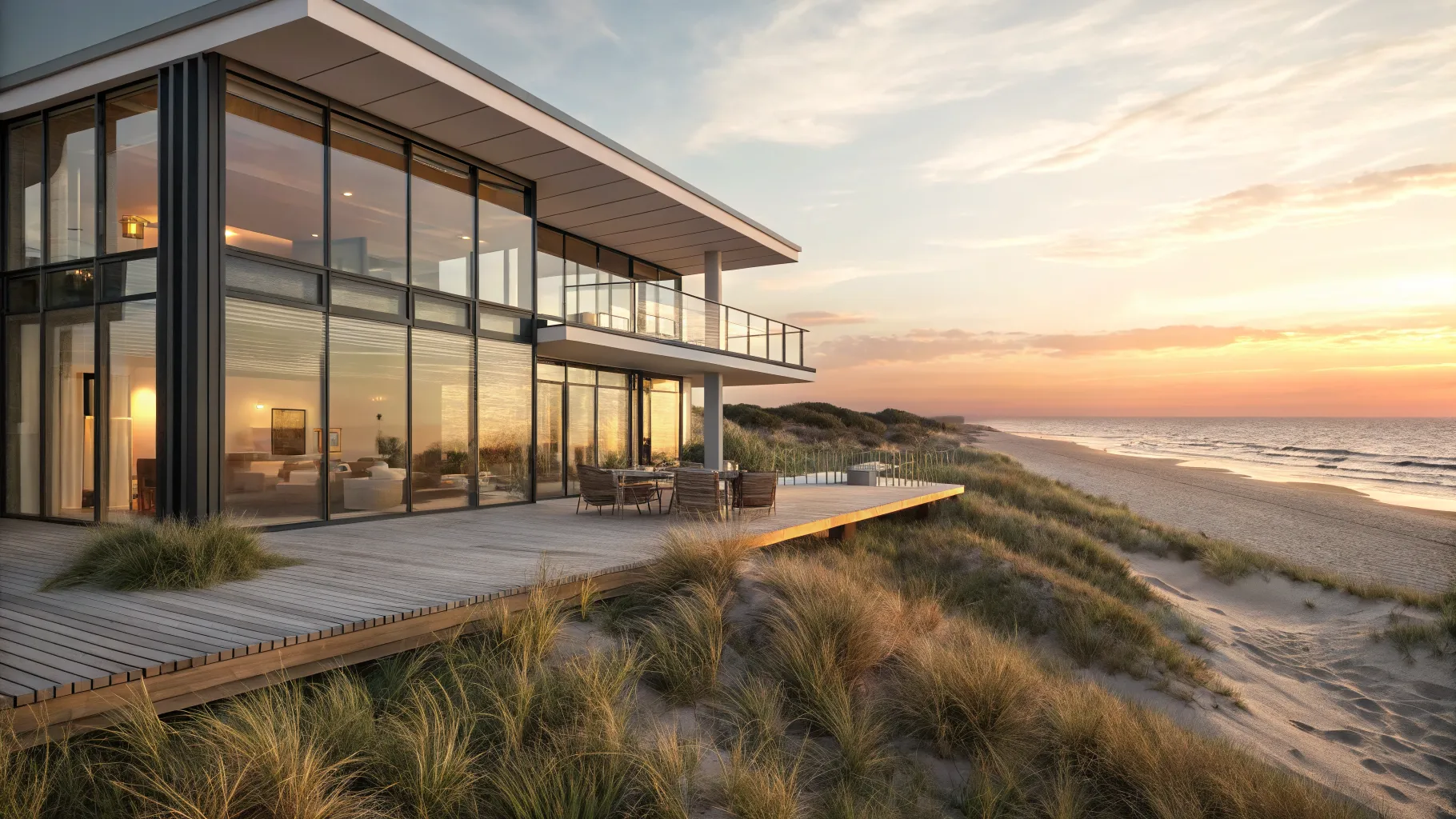
Understanding the Essence of Beach House Design
At its core, beach house design is about connection to the surrounding landscape. The primary goal is often to blur the lines between inside and out. This is achieved through expansive windows, large doorways, and outdoor living areas that act as extensions of the home's interior. The design philosophy favors simplicity and relaxation, creating a retreat from the hustle and bustle of daily life. The focus is on natural light, airy spaces, and unobstructed views of the water, sand, and sky.
Functionality is just as important as aesthetics. Coastal homes must withstand harsh conditions, including salt spray, high humidity, strong winds, and intense sun. Therefore, durability and low maintenance are key principles. Design choices, from the roofing material to the type of flooring, should prioritize resilience. The layout should also promote airflow to keep the home cool and comfortable, while materials should be chosen for their ability to resist moisture and salt corrosion.
Popular Architectural Styles for Coastal Homes
While there are many styles that can be adapted for a coastal setting, several have become classics due to their aesthetic appeal and practical suitability for a seaside environment. These styles often incorporate elements that address the climate, such as wide porches for shade, elevated foundations for flood protection, and numerous windows for ventilation.
- Cape Cod: Originating from New England, this style is known for its steep roofs, central chimneys, and symmetrical design. Its charming and sturdy build makes it a timeless choice for coastal regions.
- Modern: Characterized by clean lines, minimalist aesthetics, and large expanses of glass, modern beach houses focus heavily on maximizing views and integrating with the natural surroundings. They often feature flat or low-pitched roofs and open-concept interiors.
- Key West Style: This vibrant style features pastel colors, metal roofs, and ornate wooden latticework. Elevated on posts and surrounded by wide verandas, these homes are designed for tropical climates, promoting airflow and providing ample outdoor shade.
- Craftsman: With an emphasis on natural materials like wood and stone, Craftsman homes feature low-pitched roofs, wide eaves, and covered front porches. This style creates a cozy, grounded feel that blends well with natural coastal landscapes.
Essential Materials for a Seaside Environment
Choosing the right materials is crucial for the longevity and maintenance of a beach house. The coastal environment is unforgiving, with salt air accelerating the corrosion of metals and the degradation of certain woods and paints. Materials must be selected specifically for their ability to endure these conditions without constant upkeep.
For exteriors, fiber cement siding is a popular choice because it resists rotting, moisture, and pests. Metal roofing, particularly aluminum or Galvalume steel, stands up well to salt spray and high winds. When it comes to windows and doors, options with vinyl or fiberglass frames are often preferred over wood, as they do not swell or rot in humid conditions. For decking and railings, composite materials or durable hardwoods like ipe can offer a long-lasting solution that withstands the elements better than traditional treated pine.
The Importance of Windows and Doors
Windows and doors are defining features of any beach house, serving as the gateways to the stunning views and refreshing sea breezes. Their placement and style can dramatically impact the home's atmosphere and functionality. Large picture windows, floor-to-ceiling glass walls, and sliding or folding glass doors are commonly used to create an immersive experience, making the ocean feel like a part of the home.
Beyond aesthetics, these elements play a critical role in the home's performance. In areas prone to storms, impact-rated or hurricane-proof windows and doors are essential for safety and protection. Proper selection also contributes to natural ventilation, reducing the need for artificial cooling. Strategic placement of operable windows can create cross-breezes that keep the interior cool and fresh, enhancing the comfort and energy efficiency of the home.
Interior Design and Layout Considerations
The interior of a beach house should reflect the relaxed, casual spirit of its location. Open-concept floor plans are highly favored as they create a spacious, airy feel and allow for easy flow between the kitchen, dining, and living areas. This layout also ensures that views can be enjoyed from multiple points within the home. Flooring materials need to be durable and easy to clean, with ceramic or porcelain tile, luxury vinyl plank, or polished concrete being excellent choices that can handle sand and water.
Color palettes typically draw inspiration from the coastal surroundings, featuring soft neutrals, sandy beiges, and various shades of blue and green. Furniture should be comfortable and resilient, with slipcovered sofas and chairs offering a practical solution for easy cleaning. Natural textures such as rattan, jute, and light-toned woods can be used to add warmth and visual interest, completing the casual and inviting seaside aesthetic.
Outdoor Living Spaces: Decks, Patios, and Porches
A beach house is incomplete without well-designed outdoor living areas. Decks, patios, and porches are not just additions but integral parts of the home's living space, providing places to dine, entertain, and relax while enjoying the outdoors. A multi-level deck can offer different zones, such as a dining area near the house and a lounging space closer to the beach. Screened-in porches provide a comfortable, insect-free spot to enjoy the evening air.
The design of these spaces should consider sun exposure and prevailing winds. A covered porch or a pergola can offer much-needed shade during the hottest parts of the day. Outdoor kitchens and fire pits are popular features that extend the usability of the space into the evening. Furniture should be made from weather-resistant materials like teak, aluminum, or all-weather wicker, ensuring it can withstand sun, salt, and rain while providing comfort and style.