A Comprehensive Guide to Walk-In Tubs for Safer Bathing
For individuals facing mobility challenges, the simple act of taking a bath can present significant risks. Traditional bathtubs with high sides can be difficult to navigate, increasing the danger of slips and falls. Walk-in tubs offer a practical solution, designed specifically to provide a safer, more accessible, and comfortable bathing experience.
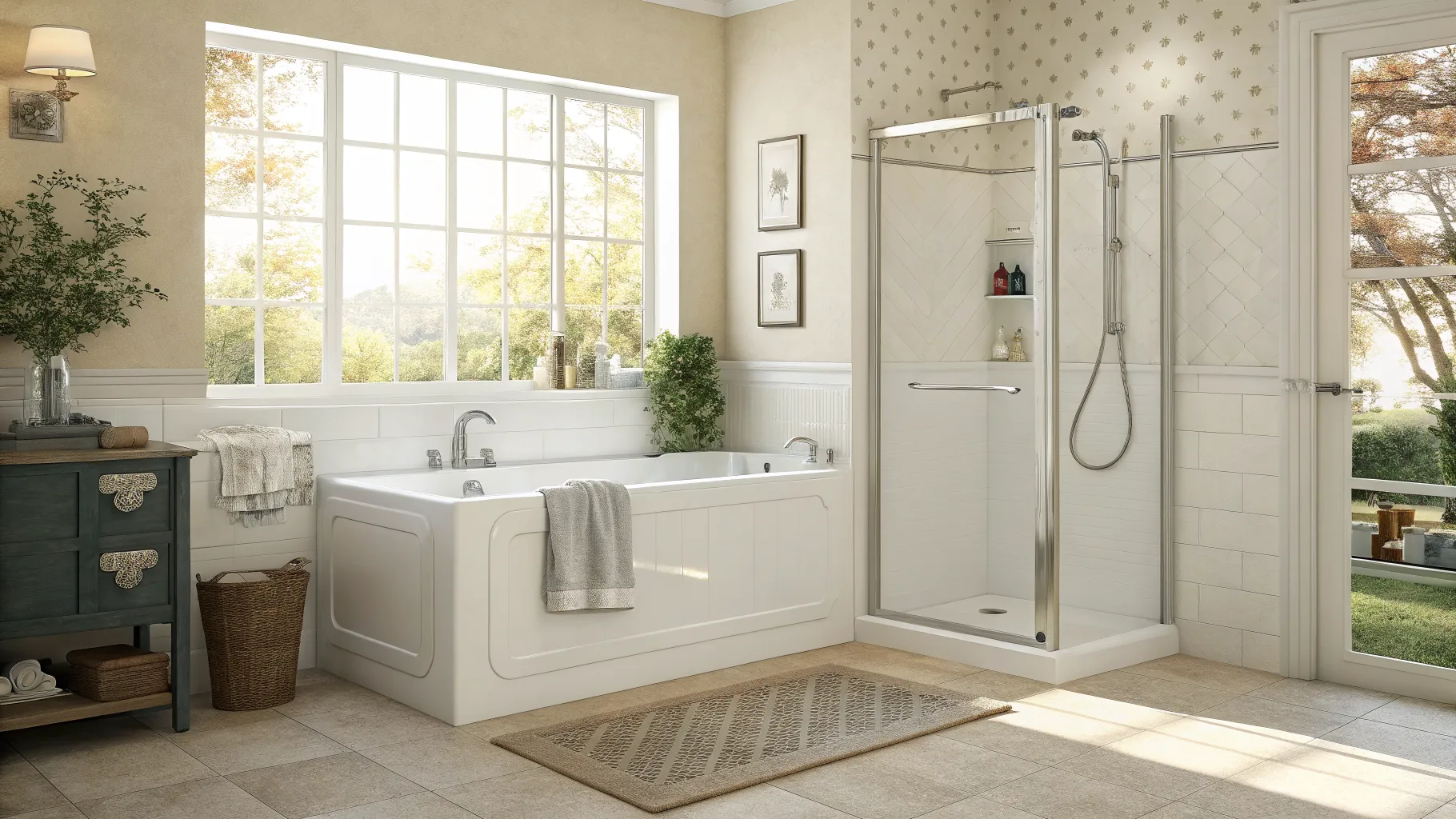
What Exactly Is a Walk-In Tub?
A walk-in tub is a specialized bathing fixture equipped with a watertight, inward or outward swinging door. This design feature creates a very low entry threshold, typically just a few inches high, which allows a person to step into the tub with minimal effort rather than having to lift their legs over a high tub wall. Once inside, the bather can sit comfortably on a built-in, chair-height seat while the tub fills with water.
The primary goal of a walk-in tub is to enhance safety and restore independence in the bathroom. By minimizing the physical obstacles associated with bathing, they significantly reduce the risk of falls, which are a major concern for older adults and people with physical limitations. The combination of an easy-access door, a secure seating area, and other safety features like grab bars and anti-slip floors creates a much more secure environment.
Key Features to Consider
Beyond the fundamental design, walk-in tubs come with a wide array of optional features that can enhance both safety and therapeutic benefits. When exploring different models, it's helpful to understand what is available so you can identify the features that best suit your personal needs and preferences. These options can transform a simple bath into a spa-like experience.
- Hydrotherapy and Aerotherapy Jets: Water jets (hydrotherapy) provide a deep-tissue massage, while air jets (aerotherapy) offer a gentler, bubbling sensation. Both can help soothe sore muscles and improve circulation.
- Heated Surfaces: Features like heated backrests and seats help keep you warm and comfortable while the tub fills and drains, which can take longer than a standard bath.
- Fast-Fill and Fast-Drain Technology: To reduce waiting times, many tubs offer rapid fill and drain systems. This is a significant convenience feature that minimizes the time you spend sitting in the tub before and after your bath.
- Handheld Shower Wands: Most walk-in tubs include a handheld shower wand, which makes it easier to rinse your hair and body while seated.
- Safety Enhancements: Look for built-in grab bars, textured anti-slip flooring, and scald prevention valves to maximize safety during use.
Understanding the Costs Involved
The cost of a walk-in tub is a significant consideration, as it involves both the price of the unit itself and the expense of installation. Prices can vary dramatically based on the tub's size, material, brand, and the specific features included. A basic soaking tub without jets or other luxury features will be the most affordable option, while a tub equipped with hydrotherapy, chromatherapy, and heated surfaces will be at the higher end of the price spectrum.
Generally, you can expect the total cost, including the tub and professional installation, to range from several thousand to well over ten thousand dollars. It is crucial to get detailed quotes from multiple suppliers and installers to compare prices and services. Be wary of quotes that seem unusually low, as they may not include all necessary installation work or may involve a lower quality product. Always ask for a complete breakdown of costs to avoid unexpected expenses.
The Installation Process Explained
Installing a walk-in tub is a complex project that is best left to experienced professionals. It is not typically a do-it-yourself job because it often requires significant modifications to your existing bathroom. The process can involve removing the old bathtub or shower, adjusting the plumbing to accommodate the new fixture, and potentially updating the electrical wiring, especially for tubs with jets and heaters.
A professional installation ensures that the tub is fitted correctly, preventing leaks that could cause extensive water damage to your home. Installers will also make sure that all plumbing and electrical connections are up to code, which is essential for safety. The installation timeline can range from one to several days, depending on the amount of demolition, carpentry, and finishing work required to seamlessly integrate the new tub into your bathroom space.
Finding a Qualified Installer
Choosing the right installer is just as important as choosing the right tub. Start by searching for local contractors who specialize in bathroom remodeling and have specific experience with walk-in tub installations. General plumbers or handymen may not have the specialized knowledge required for these units. You can often get recommendations from the tub manufacturer or supplier.
Before hiring anyone, it is vital to verify their credentials. Ensure they are licensed, bonded, and insured in your state. Ask for references from previous clients and, if possible, look at a portfolio of their completed projects. Always insist on a detailed, written contract that clearly outlines the scope of the project, all associated costs, the payment schedule, and a projected timeline for completion. This protects both you and the contractor and helps ensure there are no misunderstandings.
Materials and Maintenance
Walk-in tubs are typically made from one of two primary materials: acrylic or fiberglass with a gelcoat finish. Acrylic tubs are generally more durable, less porous, and more resistant to scratches and fading. They also tend to retain heat better. Fiberglass tubs are often more affordable but may be more susceptible to surface cracks and discoloration over time.
Proper maintenance is key to keeping your walk-in tub in excellent condition. Regular cleaning with non-abrasive cleaners is necessary to prevent soap scum and mildew buildup. If your tub has hydrotherapy or aerotherapy jets, it will require periodic cleaning of the system to flush out any bacteria. Always follow the manufacturer’s specific guidelines for cleaning and maintenance to ensure the longevity of your tub and its components.