A Comprehensive Guide to Hearing Aids for Severe Hearing Loss
Finding the right hearing solution is a critical step for individuals diagnosed with severe hearing loss. Unlike mild or moderate loss, severe hearing impairment requires devices with more power, advanced features, and a precise fit to effectively manage communication challenges. Understanding the available options is the first step toward reconnecting with the sounds of daily life and improving overall well-being.
Understanding Severe Hearing Loss
Severe hearing loss is typically defined by the inability to hear sounds below 60 to 80 decibels (dB). For context, a normal conversation is around 60 dB. Individuals with this level of hearing loss struggle to hear most speech without amplification and may miss many environmental sounds. This can significantly impact communication, social engagement, and safety.
An audiologist determines the degree of hearing loss through a series of tests, resulting in an audiogram that maps out a person's hearing ability across different frequencies. For severe loss, the audiogram will show significant dips, indicating that sounds need to be much louder to be perceived. This diagnosis is crucial because it guides the selection of an appropriate hearing device powerful enough to provide the necessary amplification.
Key Hearing Aid Styles for Severe Cases
Not all hearing aids are created equal, and for severe hearing loss, power and functionality are paramount. The most commonly recommended styles are those that can house larger batteries and more powerful processors. Smaller, completely-in-the-canal models often lack the amplification needed for this level of hearing impairment.
The two primary styles well-suited for severe hearing loss are:
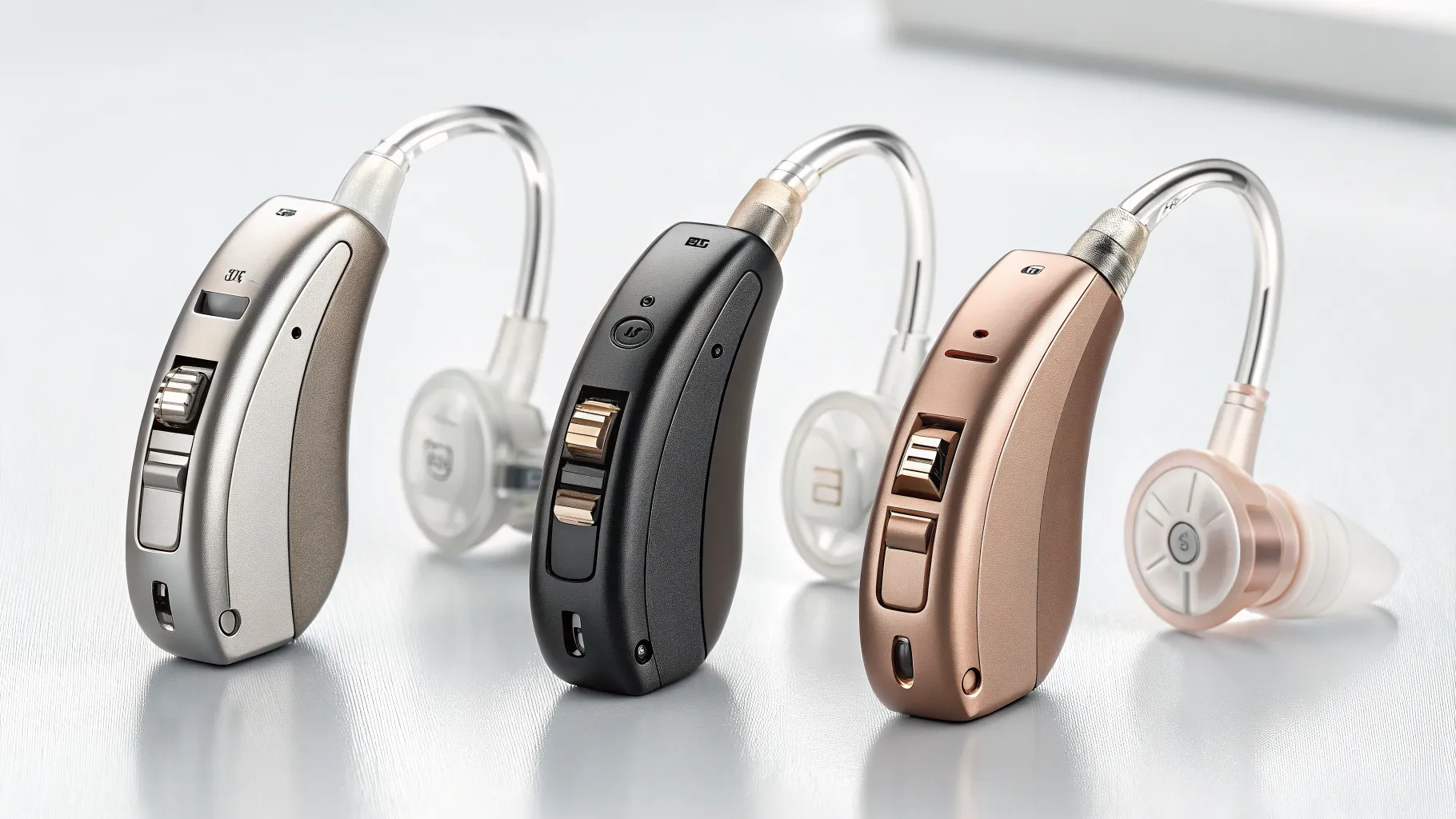
- Behind-the-Ear (BTE): These devices have a casing that sits behind the ear, which contains all the electronic components. A clear tube connects the casing to a custom-fit earmold that sits inside the ear canal. BTEs are known for their power, durability, and ability to accommodate larger batteries, making them a robust choice.
- Receiver-in-Canal (RIC): Similar to BTEs, RIC models also have a component that rests behind the ear. However, the receiver (or speaker) is placed directly in the ear canal at the end of a thin wire. This design can provide a clearer, more natural sound quality for some users while still offering significant power.
Essential Features and Technology to Look For
Modern hearing aids offer a suite of technological features designed to improve listening comfort and clarity. For severe hearing loss, certain features are particularly beneficial. Advanced directional microphone systems, for instance, help the user focus on speech coming from in front of them while reducing background noise from the sides and rear. This is incredibly helpful in noisy environments like restaurants or social gatherings.
Other critical technologies include robust feedback cancellation to prevent whistling sounds, which can be more common with high-power devices. T-coils, or telecoils, are another important feature. They allow the hearing aid to connect directly to sound systems in public venues like theaters and places of worship, delivering sound directly to the user without background interference. Connectivity options like Bluetooth are also standard now, enabling streaming from phones and other devices.
The Role of Custom Earmolds
For individuals with severe hearing loss using BTE or RIC hearing aids, a custom earmold is a vital component. Unlike the generic domes that work for milder losses, a custom earmold is created from an impression of the user's ear. This ensures a snug, secure fit that delivers sound effectively and prevents amplified sound from leaking out and causing feedback or whistling.
A proper fit is essential for both comfort and acoustic performance. The material, style, and venting of the earmold can all be customized by an audiologist to match the user's specific hearing loss profile and ear anatomy. This level of customization ensures that the powerful amplification provided by the hearing aid is channeled directly into the ear for maximum benefit.
The Importance of Professional Fitting and Programming
Purchasing a hearing aid is only part of the solution. The most critical aspect, especially for severe cases, is the professional fitting and programming performed by a qualified audiologist. These specialists use advanced equipment to measure the unique acoustics of your ear canal and program the hearing aids to match the precise amplification needs specified by your audiogram.
This process, often involving real-ear measurements, verifies that the hearing aids are performing as they should while in your ear. Follow-up appointments are also standard to fine-tune the settings as you adapt to the new sounds. Relying on professional guidance ensures the devices are optimized for safety, comfort, and performance, which is difficult to achieve otherwise.
Navigating Costs and Financial Considerations
Hearing aids for severe hearing loss represent a significant investment, as they typically require more advanced technology and power. The cost can vary widely based on the technology level, included features, and the professional services bundled with the purchase. It is important to understand that the price often covers not just the devices themselves but also the initial fitting, follow-up adjustments, and a service warranty.
When exploring options, it's helpful to inquire about what is included in the final price. Some health insurance plans may offer partial or full coverage for hearing aids, so checking with your provider is a worthwhile step. Additionally, various non-profit organizations, vocational rehabilitation programs, and local community groups may offer financial assistance for those who qualify.