A Comprehensive Guide to Choosing the Right Cat Food Brand
Choosing the right food for your feline companion is one of the most important decisions you'll make as a cat owner. With countless brands, formulas, and types of food available, the choice can feel overwhelming. This guide is designed to help you understand the key factors in feline nutrition so you can confidently evaluate different cat food brands and select the best option for your pet's health and happiness.
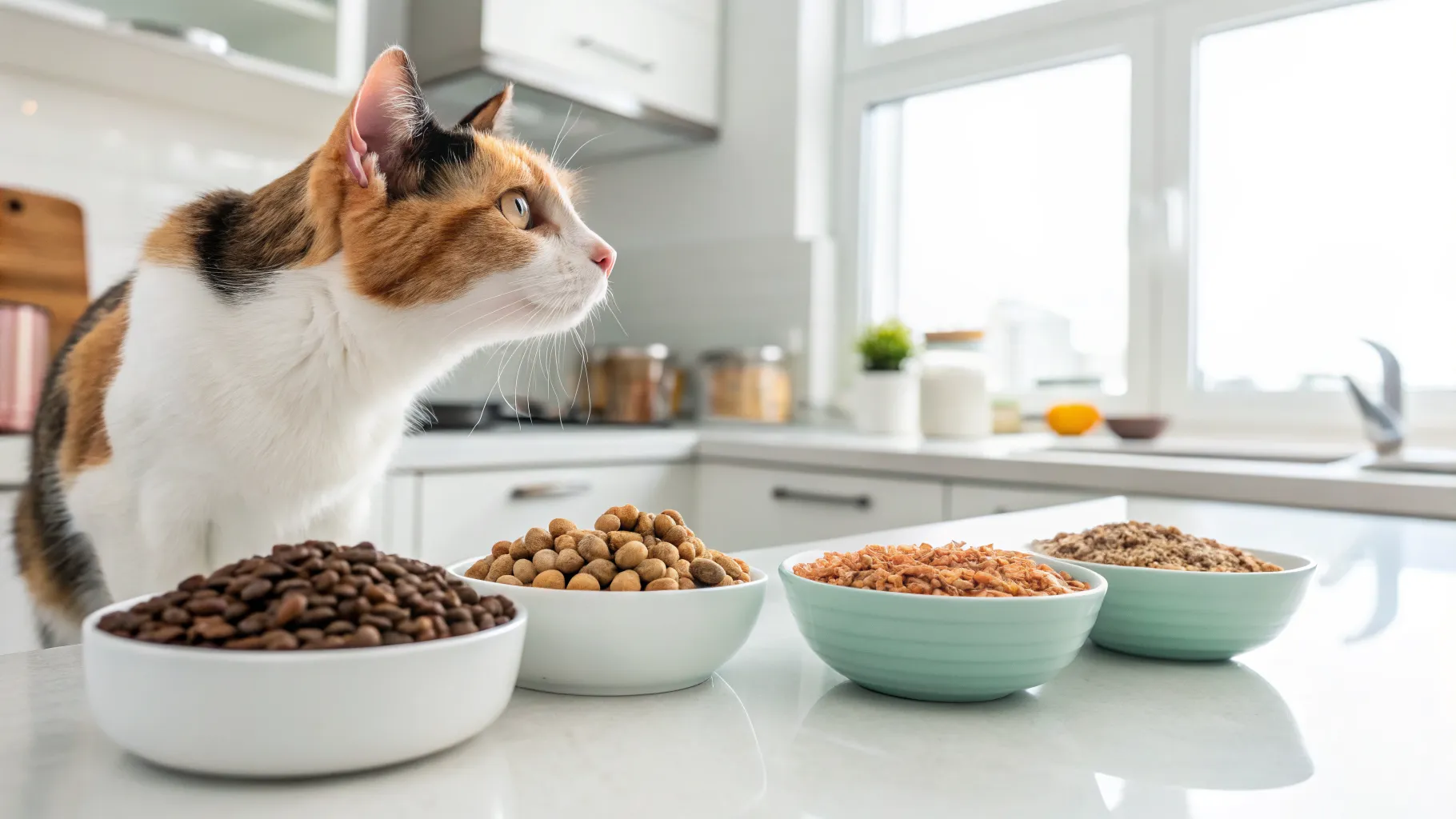
Understanding Your Cat's Nutritional Needs
Before you can compare brands, it's essential to understand what cats require in their diet. Cats are obligate carnivores, which means their bodies are designed to get nutrients primarily from animal-based sources. Unlike dogs or humans, they have a limited ability to digest and utilize nutrients from plants. A high-quality cat food will reflect these biological needs.
Key nutrients for cats include high levels of protein from animal sources like chicken, fish, or beef. They also require certain amino acids, most notably taurine, which is critical for vision, heart function, and digestion. Healthy fats, such as omega-3 and omega-6 fatty acids, are also vital for skin and coat health. Carbohydrates should be limited, as cats have no nutritional requirement for them and a high-carb diet can contribute to health issues.
How to Decipher a Cat Food Label
The label on a bag or can of cat food contains a wealth of information if you know where to look. The first thing to check is the ingredient list. Ingredients are listed by weight, so the first few items make up the bulk of the food. Look for a named animal protein source, like 'deboned chicken' or 'salmon', as the very first ingredient.
You should also look for the nutritional adequacy statement, often called the AAFCO statement. This indicates that the food is 'complete and balanced' for a specific life stage, such as kitten, adult maintenance, or all life stages. Also, check the 'Guaranteed Analysis,' which lists the minimum percentages of crude protein and fat, and the maximum percentages of crude fiber and moisture. This helps you compare the basic nutrient profiles of different foods.
Wet Food vs. Dry Food: Which Is Better?
One of the biggest debates among cat owners is whether to feed wet or dry food. Each type has its own set of advantages and disadvantages, and many owners choose to feed a combination of both. The best choice often depends on your cat's health, age, and personal preference.
Wet food has a high moisture content, which is excellent for keeping cats hydrated, supporting kidney health, and promoting urinary tract wellness. It's often more palatable for picky eaters. On the other hand, dry food, or kibble, is more convenient to store and serve, is typically more affordable, and can be left out for cats who prefer to graze throughout the day. Some kibble is also formulated to help reduce plaque and tartar buildup on teeth.
Formulas for Different Life Stages and Lifestyles
Cat food brands typically offer different formulas tailored to a cat's age and activity level. It's important to feed a food that is appropriate for your cat's specific life stage to ensure they are getting the right balance of nutrients.
- Kittens: Require more calories, protein, and fat to support their rapid growth and high energy levels.
- Adults: Need a maintenance formula that provides balanced nutrition to keep them healthy without causing weight gain. Indoor cat formulas often have fewer calories and added fiber to help with hairballs.
- Seniors: May benefit from formulas that are lower in calories, have highly digestible proteins, and include supplements for joint health like glucosamine.
What to Look For in a High-Quality Brand
When you're comparing brands in the store or online, there are several hallmarks of a high-quality product. A reputable brand will prioritize animal-based protein as the foundation of its formulas. The ingredient list should be easy to understand, featuring whole foods and avoiding vague terms.
Beyond the ingredient list, consider the brand's reputation and manufacturing standards. Look for brands that conduct feeding trials to test their formulas and have veterinary nutritionists on staff to ensure their products are based on sound science. A brand that is transparent about where its ingredients are sourced and where its food is made is often a reliable choice.
Common Red Flags to Avoid
Just as there are signs of quality, there are also red flags that might indicate a lower-quality food. Be cautious of foods that list a carbohydrate like corn, wheat, or soy as the first ingredient. These are often used as inexpensive fillers and are not ideal for an obligate carnivore.
Other ingredients to watch out for include unnamed meat sources, such as 'meat by-products' or 'animal digest,' as you cannot be sure of their quality or origin. Artificial colors, flavors, and preservatives like BHA, BHT, and ethoxyquin are unnecessary and can be harmful. Finally, be wary of brands with a history of frequent product recalls, as this can indicate issues with quality control and safety standards.