A Complete Guide to Finding Comfortable Walking Shoes
Choosing a comfortable pair of walking shoes is one of the best investments you can make for your overall well-being. Whether you're strolling through the park, running errands, or embarking on a long-distance trek, the right footwear provides essential support and prevents discomfort. This guide will walk you through the crucial elements to consider when searching for your perfect pair.
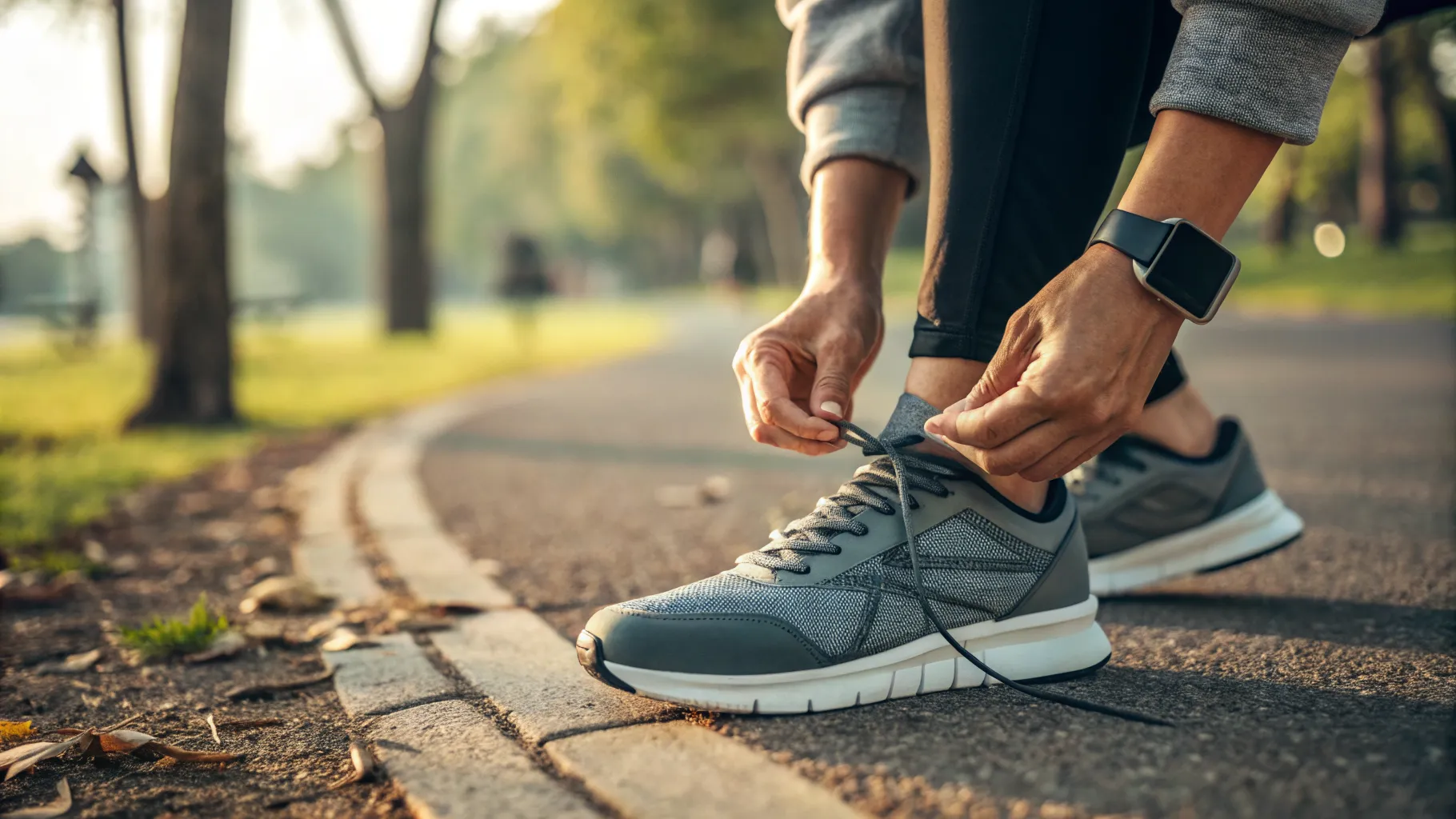
What Makes a Walking Shoe Comfortable?
The foundation of a comfortable walking shoe lies in its construction. Key components work together to cushion your feet and support your natural movement. The outsole provides traction and durability, the midsole delivers cushioning and absorbs shock, the insole offers initial comfort and some arch support, and the upper holds your foot securely in place.
Understanding these parts helps you evaluate a shoe beyond its appearance. A thick, flexible outsole is great for varied terrain, while a high-quality foam midsole, often made from materials like EVA, is crucial for shock absorption. A breathable upper material, like mesh, will keep your feet cool and dry, contributing significantly to overall comfort during longer walks.
Essential Features for Maximum Comfort
When you're examining potential walking shoes, there are several non-negotiable features to look for. Proper cushioning is paramount, especially in the heel and forefoot, to absorb the impact of each step. Good arch support is also vital, as it helps distribute pressure evenly across your foot and can prevent common issues like plantar fasciitis.
- Flexibility: The shoe should bend easily at the ball of the foot, not in the middle of the arch.
- Breathability: Look for uppers made of mesh or other lightweight materials that allow air to circulate.
- Lightweight Design: A heavy shoe can cause fatigue over time. A good walking shoe should feel light on your feet.
- Secure Fit: A padded collar and tongue can help lock your heel in place and prevent blisters.
The Critical Importance of a Proper Fit
Even the most technologically advanced shoe will be uncomfortable if it doesn't fit correctly. A common mistake is buying shoes that are too small. Your feet naturally swell throughout the day and during activity, so it's best to shop for shoes in the afternoon or evening when they are at their largest.
When you try on a pair, make sure there is about a half-inch of space, roughly the width of your thumb, between your longest toe and the end of the shoe. The heel should fit snugly without slipping, and the width should be comfortable, not tight. Wear the same type of socks you would typically use for walking to get the most accurate fit.
Choosing the Right Materials
The materials used in a walking shoe directly impact its comfort, durability, and breathability. Uppers are commonly made from synthetic materials, mesh, or leather. Mesh is highly breathable and lightweight, making it a popular choice for warm weather. Leather offers more durability and support but can be heavier and less breathable.
Midsoles are typically crafted from foams like EVA (ethylene vinyl acetate) or polyurethane. EVA is lighter and more flexible, providing excellent cushioning, while polyurethane is denser and more durable. The choice depends on your preference for a softer feel versus longer-lasting support. Many shoes combine materials to get the best of both worlds.
Understanding Your Foot Type
Knowing your foot's specific characteristics can guide you toward a more supportive shoe. This includes your arch type (flat, neutral, or high) and your gait pattern. Many people have a tendency to overpronate, where the foot rolls inward excessively, while others may supinate, rolling outward.
A shoe with stability features, such as a denser foam on the inner side of the midsole, can help control overpronation. Neutral walkers have more flexibility in their choice of footwear, while those with high arches often benefit from extra cushioning to absorb shock. Visiting a specialty footwear store can help you get a gait analysis to determine your specific needs.
When to Replace Your Walking Shoes
All shoes have a lifespan. Over time, the midsole cushioning compacts and loses its ability to absorb shock, which can lead to joint pain or injury even if the shoe's exterior still looks fine. A general guideline is to replace walking shoes every 300 to 500 miles.
If you walk regularly, it's a good idea to track your mileage. Other signs that it's time for a new pair include visible wear on the outsole treads, significant creasing in the midsole foam, or a feeling that the shoes are less supportive than they used to be. Paying attention to these details ensures you continue to get the comfort and protection you need for your walks.