A Complete Guide to Carpet Cleaning Methods for Every Home
Facts:
- Dry cleaning methods use very little moisture.
- The latest trend for carpet care cleaning is eco-friendly, plant-based solutions.
Decoding the Best Carpet Cleaning Techniques for Your Floors
Choosing the right approach from the many available carpet cleaning methods can feel overwhelming, but understanding the core principles is key to maintaining the beauty and longevity of your flooring. Whether you're dealing with everyday dirt or stubborn stains, different types of carpet cleaning offer unique benefits. This guide will walk you through the most effective carpet cleaning techniques, helping you decide between professional services and various home carpet cleaning methods. Proper carpet care cleaning not only improves appearance but also contributes to a healthier indoor environment by removing allergens and bacteria trapped deep within the fibers.
A Deep Dive into the 5 Primary Types of Carpet Cleaning
To make an informed decision, it's crucial to understand the process, benefits, and drawbacks of each primary method. The best choice often depends on your carpet's material, the type of soil, and how quickly you need the area to be dry and usable again. Let's explore the most common professional and home carpet cleaning methods in detail.
Hot Water Extraction (Steam Cleaning)
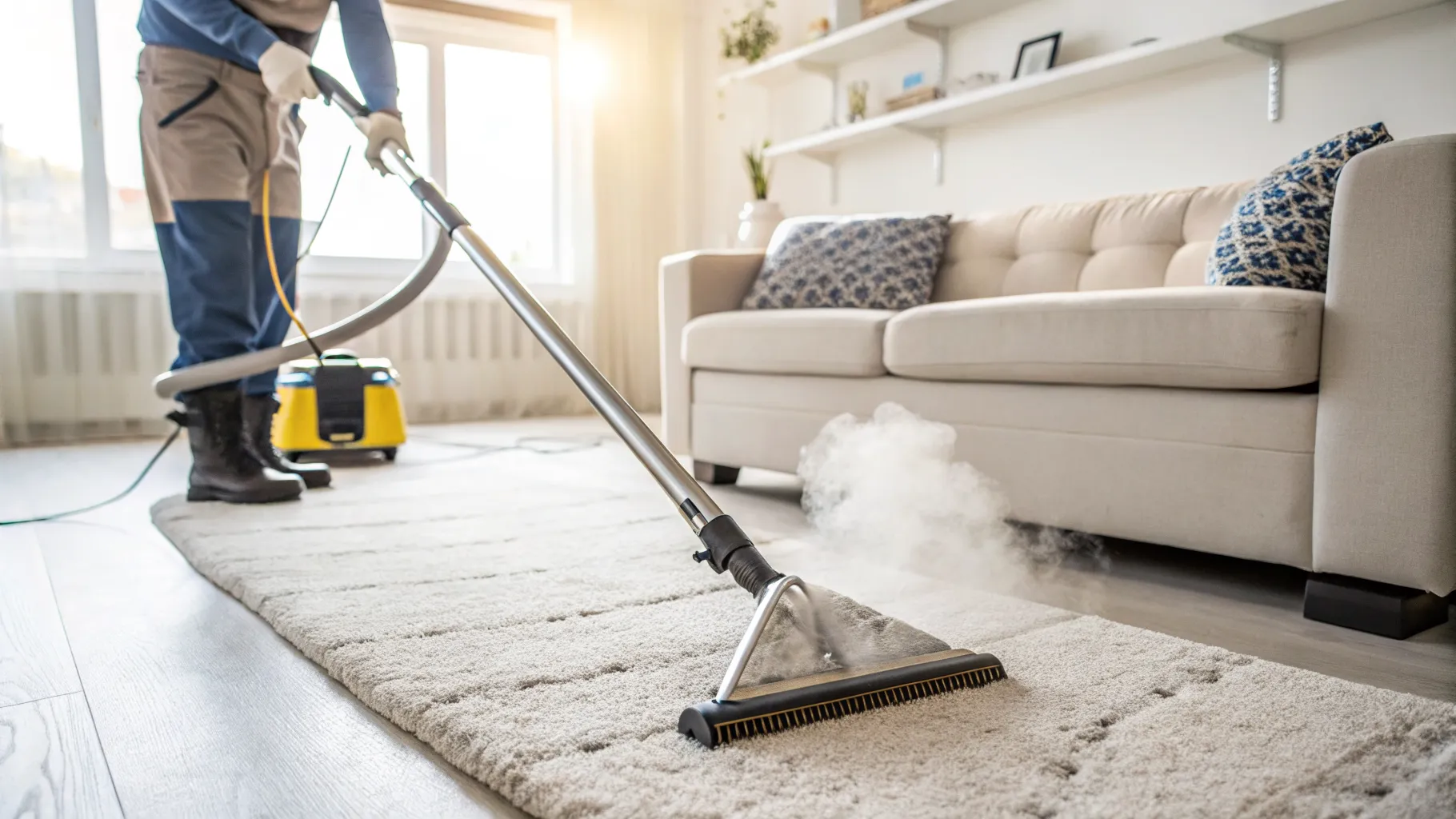
Often considered the gold standard in deep cleaning, hot water extraction uses high-pressure equipment to spray heated water and a cleaning solution into the carpet fibers. A powerful vacuum then simultaneously extracts the water, dirt, and allergens. This is one of the most thorough carpet cleaning methods available, highly recommended by most carpet manufacturers for its ability to provide a deep, restorative clean. It's particularly effective at removing ground-in dirt, oils, and stubborn stains, making it an excellent choice for high-traffic areas and homes with pets or allergy sufferers. While highly effective, its main drawback is the longer drying time, which can range from 4 to 12 hours.
Dry Carpet Cleaning (Compound Cleaning)
For situations requiring a quick turnaround, dry cleaning is an excellent option. This technique involves spreading a low-moisture, absorbent compound over the carpet. A specialized machine with counter-rotating brushes agitates the compound, working it deep into the fibers where it absorbs dirt and grime. After a short period, the compound is thoroughly vacuumed up, leaving the carpet clean and dry almost immediately. This is one of the most convenient types of carpet cleaning for commercial spaces or homes where long drying times are impractical. It's a great maintenance solution, though it may not be as effective for deep-set stains as hot water extraction.
Carpet Shampooing
One of the more traditional carpet cleaning techniques, shampooing involves applying a specially formulated shampoo to the carpet and scrubbing it with a motorized brush. The process creates a thick foam that loosens and lifts dirt. However, a significant drawback is that it can leave behind a sticky residue if not properly rinsed, which can attract more dirt over time. Modern advancements have improved rinsing technology, but hot water extraction is now generally preferred. This method is still used, but it's important to ensure a thorough extraction process follows the shampoo application for effective carpet care cleaning.
Encapsulation Cleaning
A more modern alternative to shampooing, encapsulation uses a synthetic polymer detergent that crystallizes into a powder as it dries. When applied, the polymers encapsulate dirt particles. As the carpet is agitated and then vacuumed, these brittle crystals are easily removed, taking the trapped dirt with them. This is one of the faster-drying home carpet cleaning methods and is praised for not leaving sticky residues. It's an effective interim cleaning solution that keeps carpets looking fresh between deeper cleanings and is a popular choice for commercial maintenance programs.
Bonnet Cleaning
Bonnet cleaning is primarily a surface-level cleaning method. It uses a heavy-duty motorized machine with a spinning pad (the 'bonnet') that has been immersed in a cleaning solution. The machine works over the carpet's surface, and the bonnet absorbs dirt from the top layer of the fibers. While it provides a quick and effective way to freshen up the appearance of a carpet, it doesn't clean deeply. This technique can push dirt further into the carpet pile if not performed correctly. It's most suitable for light maintenance in commercial settings like hotels and offices rather than for a deep residential clean.
Comparing Professional vs. DIY Home Carpet Cleaning Methods
A common dilemma for homeowners is deciding whether to hire a professional or rent a machine and tackle the job themselves. Professional services utilize powerful, truck-mounted equipment that provides superior heat and suction compared to portable rental units. This results in a deeper clean and faster drying times. Professionals are also trained to identify carpet types and choose the appropriate carpet cleaning techniques and solutions. On the other hand, DIY home carpet cleaning methods offer cost savings and convenience. Rental machines can be effective for light soiling and regular upkeep, but they may struggle with heavily stained areas and can leave the carpet overly wet, risking mold growth if not used carefully. For the best long-term carpet care cleaning, a combination of regular DIY maintenance and an annual professional deep clean is often the most effective strategy.
Essential Carpet Care Cleaning Tips for Longevity
Maintaining your carpet between professional cleanings is vital for extending its life and appearance. Proper carpet care cleaning can prevent dirt from becoming embedded and stains from setting. Here are some actionable tips:
- Vacuum Regularly: Vacuum high-traffic areas at least twice a week and the rest of your carpet weekly. This is the single most important step in any carpet care cleaning routine, as it removes abrasive dry soil that can damage fibers.
- Address Spills Immediately: The longer a spill sits, the harder it is to remove. Blot liquids with a clean, dry cloth, working from the outside of the spill inward to prevent it from spreading. Avoid scrubbing, as it can damage carpet fibers.
- Use Area Rugs and Mats: Place mats at all entrances to trap dirt before it reaches your carpet. Use area rugs in high-traffic zones like hallways and living rooms to protect the underlying carpet.
- Choose the Right Spot Cleaner: Test any cleaning solution on an inconspicuous area first to ensure it doesn't discolor the carpet. Use a product designed for your specific carpet type and stain.
- Rearrange Furniture Periodically: Moving your furniture around helps to even out wear patterns and prevents permanent indentations in the carpet pile. This simple step is a key part of long-term carpet maintenance.
Frequently Asked Questions
What are the most effective carpet cleaning methods for pet owners?
For pet owners, hot water extraction (steam cleaning) is generally the most effective of all the carpet cleaning methods. It deeply cleans and sanitizes the carpet, effectively removing pet dander, hair, and tough protein-based stains like urine and vomit. It also helps to eliminate odors trapped deep within the carpet fibers and padding.
How often should I use professional carpet cleaning techniques?
Most carpet manufacturers recommend using professional carpet cleaning techniques, such as hot water extraction, at least once every 12 to 18 months. However, for homes with pets, children, or high foot traffic, cleaning every 6 to 12 months is advisable to maintain carpet health and indoor air quality.
Can I mix different types of carpet cleaning?
Yes, mixing different types of carpet cleaning is a common and effective strategy. For instance, you can use a dry cleaning or encapsulation method for regular interim maintenance to keep the surface looking fresh, and then schedule a deep hot water extraction cleaning annually to remove deep-seated grime and allergens.
References
- The Carpet and Rug Institute (CRI)
- Institute of Inspection Cleaning and Restoration Certification (IICRC)
- Journal of Environmental Health Studies
- Home Maintenance and Improvement Guides