Autoimmune Diseases and Itchy Scalp
Understanding Autoimmune Diseases and Itchy Scalp
The realm of autoimmune diseases is vast. One intriguing symptom associated with some of these conditions is an itchy scalp. For those unfamiliar, autoimmune diseases occur when the body's immune system mistakenly attacks healthy cells. While these diseases can affect various organs, they sometimes manifest in skin-related symptoms, such as an itchy scalp.
Imagine the frustration when itchiness becomes a constant companion, affecting your daily routine. If you've ever wondered "What autoimmune disease causes itchy scalp?", you're not alone. Several conditions might be responsible.
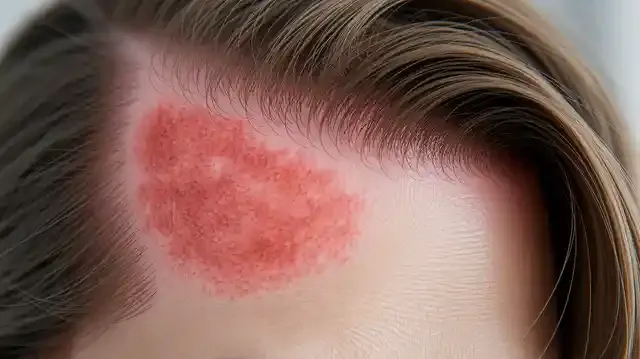
Autoimmune scalp conditions like psoriasis and dermatomyositis frequently cause itchiness. For instance, Psoriasis, a well-known autoimmune disorder, results in red, scaly patches on the scalp. Recent studies indicate that about 2-3% of the global population suffers from Psoriasis, which may result in significant itchiness.
Common Autoimmune Scalp Conditions
Let's dive into some specific conditions:
1. Psoriasis: It's not uncommon to link this condition directly with an itchy scalp autoimmune disorder. Psoriasis results from the body producing new skin cells too rapidly. Unfortunately, these cells accumulate, causing scales and red patches. Affected individuals often describe relentless itching that can interfere with daily activities.
2. Dermatomyositis: This condition particularly impacts the skin and muscles. Dermatomyositis can lead to a distinctive red or purplish rash, which often appears on the scalp. Apart from the aesthetic aspect, the accompanying itchy sensation can be intense.
3. Lichen Planopilaris: Although rare, it predominantly affects women and results in bald patches with severe itching. Those diagnosed with this condition understand the challenges that come with hair loss and irritation.
When diagnosing an itchy scalp, healthcare professionals evaluate symptoms, history, and sometimes biopsy results. Recent dermatological surveys suggest that misdiagnosing psoriasis and eczema have decreased by 10% with new diagnostic tools, offering hope for sufferers seeking clarity about their chronic itchy scalp causes.
Treatment and Management
Treatment is crucial for those grappling with an itchy scalp due to autoimmune disorders. Fortunately, several treatment options cater to individual needs. From topical corticosteroids to light therapy, these treatments aim to reduce inflammation and control itching.
Diet and lifestyle adjustments also play a significant role. Incorporating an anti-inflammatory diet can alleviate symptoms. Foods rich in omega-3 fatty acids, such as fish, walnuts, and flaxseeds, have shown promise in reducing inflammation. Moreover, regular moisturizing, keeping hair clean, and avoiding harsh chemicals can curb itchiness.
Real-world examples often highlight the emotional and psychological toll of psoriasis and similar conditions. Many patients describe feeling isolated, avoiding social situations due to visible itching and redness. Encouragingly, patient support groups have surged by 30% over the past year, highlighting the importance of communal support in coping with these challenges.
The Road Ahead
Medical research continues to make strides in understanding autoimmune scalp conditions. Recent innovations in genetic research have provided a clearer picture of potential triggers. By identifying these triggers, scientists hope to develop preventative measures and treatments.
The link between autoimmune diseases and an itchy scalp might appear under the radar, yet for those affected, it's a critical life quality issue. As awareness grows, the importance of addressing these symptoms in the broader context of autoimmune health becomes evident. Society's evolving understanding promises a brighter future for those seeking relief from persistent itchiness.