9 Small Pets That Are Easy to Care For
Bringing a pet into your home is a big decision, but it doesn't have to mean a complete lifestyle overhaul. For those with limited space, busy schedules, or who are new to pet ownership, a small, low-maintenance animal can be a perfect fit. These pets often have simpler housing, diet, and social needs, making them wonderful companions that bring joy without requiring constant attention.
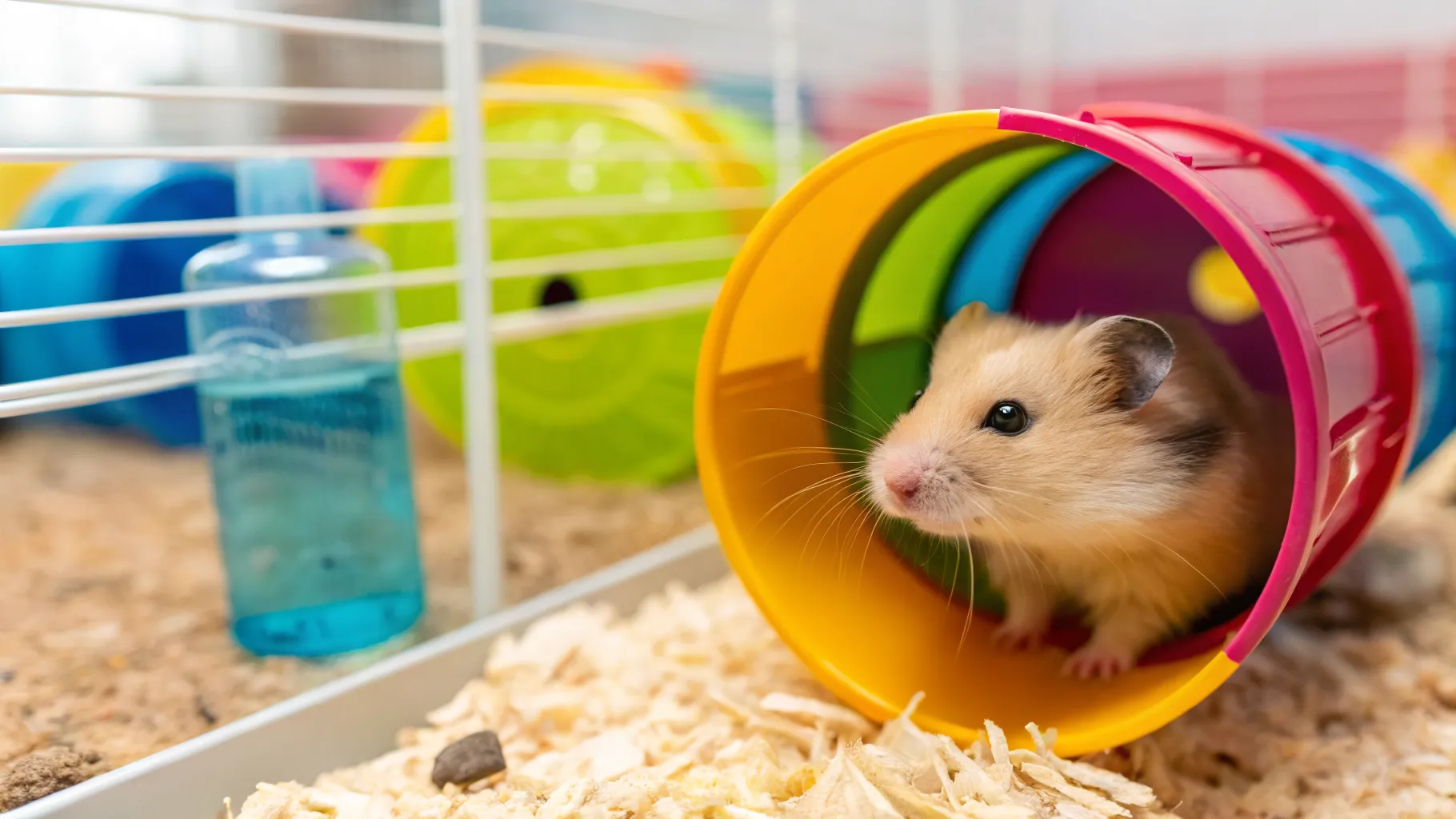
1. Hamsters
Hamsters are a classic choice for a first pet, and for good reason. These small rodents are relatively solitary and content to live alone, which simplifies their social requirements. They are most active at night, which can be ideal for people who are away from home during the day. Their needs are straightforward: a secure cage with deep bedding for burrowing, a wheel for exercise, fresh food, and clean water.
A hamster's diet typically consists of a quality commercial hamster mix supplemented with small amounts of fresh vegetables and fruits. Cage cleaning is usually required about once a week. The main considerations are providing enough space for them to burrow and play and ensuring their enclosure is escape-proof, as they are notorious for squeezing through small gaps.
2. Guinea Pigs
Slightly larger than hamsters, guinea pigs are known for their gentle and social nature. They are not nocturnal and tend to be active for short periods throughout the day and night. While they require a larger cage than many other rodents, their care is still quite simple. They thrive on a diet of high-quality hay, specialized guinea pig pellets, and a daily serving of fresh vegetables rich in Vitamin C, as they cannot produce their own.
Because they are highly social, it's generally recommended to keep guinea pigs in pairs or small groups of the same gender to prevent loneliness. They are not prone to climbing or jumping, so a cage with an open top can work if the walls are high enough. Regular cage cleaning and providing chew toys to keep their teeth healthy are the primary responsibilities beyond feeding.
3. Rats
Often misunderstood, domestic rats are intelligent, clean, and highly social animals that can form strong bonds with their owners. They are far from their wild counterparts and make for affectionate and trainable pets. Like guinea pigs, they do best with a companion, so keeping at least two is recommended. They need a multi-level wire cage that offers space for climbing and exploring.
Rats are omnivores and thrive on a balanced diet of lab blocks or a high-quality rat food mix, supplemented with fresh fruits and vegetables. They are remarkably clean animals and often designate a specific corner of their cage as a bathroom, which can simplify spot cleaning. The main commitment is providing them with daily social interaction and out-of-cage time in a secure area to keep them stimulated and happy.
4. Leopard Geckos
For those interested in reptiles, the leopard gecko is an excellent starting point. They are small, docile, and have relatively simple habitat requirements compared to many other lizards. Unlike reptiles that need complex UVB lighting, leopard geckos are nocturnal and get their vitamin D3 from their diet. They do require a heat mat to create a warm spot in their terrarium for digestion.
Leopard geckos eat live insects like crickets, mealworms, and dubia roaches, which must be dusted with a calcium and vitamin supplement. They typically only need to be fed every other day as adults. Their enclosures require a substrate that they cannot accidentally ingest, a few hides for security, and a water dish. With their calm demeanor and minimal daily care, they are a fascinating and low-maintenance pet.
5. Betta Fish
Betta fish, also known as Siamese fighting fish, are renowned for their vibrant colors and flowing fins. They are a popular choice for an easy-care aquatic pet, but they do have specific needs. Contrary to popular belief, they cannot thrive in a small, unfiltered bowl. A betta requires a tank of at least 2.5 gallons, though 5 gallons is preferable, equipped with a gentle filter and a heater to maintain a consistent tropical temperature.
Once their tank is set up correctly, daily care is minimal. It involves feeding them a small amount of high-quality betta pellets or frozen food once a day and performing partial water changes weekly or bi-weekly. Bettas are intelligent for fish and can learn to recognize their owners. Their beautiful appearance and interactive nature make them a rewarding pet for any small space.
6. Gerbils
Gerbils are active, curious, and social rodents that are a joy to watch. They are desert animals, which means they produce very little waste and are relatively odor-free, making their habitat easy to maintain. A deep tank or aquarium with a secure mesh lid is the ideal home, as it allows for a thick layer of bedding for them to indulge their natural instinct to burrow and tunnel.
Like rats and guinea pigs, gerbils are social and should be kept in pairs or small groups. Their diet consists of a commercial gerbil food mix. One of their most important needs is access to chewable items like cardboard and wooden toys to wear down their constantly growing teeth. With their clean habits and entertaining behavior, gerbils are a fantastic low-maintenance option.
7. Mice
Pet mice are small, inquisitive, and can be quite entertaining. Females, in particular, are social and do well when housed in small groups. Males can be territorial and are often best housed alone. They require a cage with good ventilation, such as a wire cage or a tank with a mesh lid, filled with appropriate bedding for burrowing.
Their dietary needs are simple and can be met with a quality mouse food mix. They are active and enjoy having toys to climb on and explore, such as wheels, tunnels, and ropes. Because of their small size, they do not require a large amount of space. Their cage needs regular cleaning, but their day-to-day care is very straightforward, making them a suitable pet for beginners.
8. Snails
For a truly unique and exceptionally low-maintenance pet, consider a land snail. They are quiet, slow-moving, and fascinating to observe. A small terrarium or plastic container with ventilation holes is a suitable home. The enclosure should be kept moist with a substrate like coconut fiber and a shallow dish of water.
Snails are not picky eaters and will happily consume a variety of fresh vegetables like lettuce, cucumber, and carrots, which should be supplemented with a source of calcium, such as a cuttlebone, for shell health. Their habitat requires misting with water daily to maintain humidity and spot cleaning to remove waste. They are an excellent choice for someone wanting a calm, unobtrusive pet.
9. Sea-Monkeys
Sea-Monkeys, a brand name for a type of brine shrimp, offer a fascinating glimpse into a miniature aquatic ecosystem. They are sold in kits that contain everything you need to get started: a small tank, water purifier, eggs, and food. The initial setup is as simple as adding water and the included packets according to the instructions.
Once hatched, their care is incredibly simple. It involves feeding them a tiny scoop of their powdered food every few days and occasionally aerating the water. They are a hands-off pet that can provide endless fascination as you watch them grow, swim, and reproduce. This makes them a perfect educational pet for children or a quirky desk companion for adults.