9 Simple Grocery Habits That Help Reduce Spending: Master Food Budgeting Basics
Facts:
- Strategic grocery shopping can save families hundreds of dollars annually.
- A growing trend for effective grocery cost management involves using digital coupon apps.
Transform Your Shopping with These Proven Grocery Spending Habits
In an era of rising food costs, mastering your grocery bill is more important than ever. It's not about extreme couponing or depriving yourself; it's about adopting smarter, more mindful approaches to how you shop. By implementing a few key strategies, you can take firm control of your expenses and significantly reduce your spending. This guide delves into the fundamentals of food budgeting basics, providing you with actionable steps and demonstrating how effective grocery cost management can transform your financial health. These methods are designed to be simple to integrate into your routine, leading to sustainable savings over time.
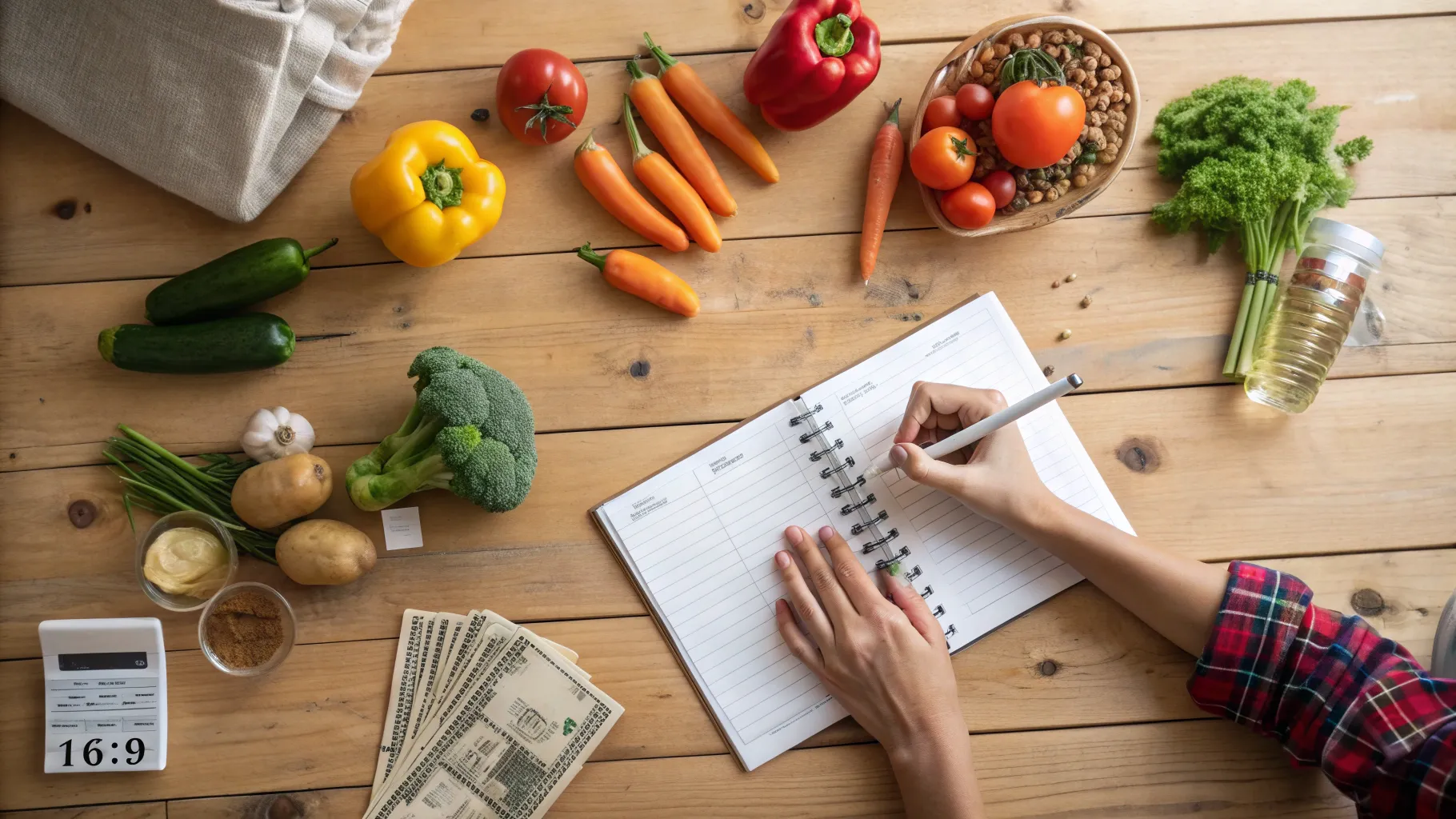
The 9 Essential Habits to Slash Your Grocery Bill
Adopting new habits is the cornerstone of long-term financial success in the supermarket. Below are 9 ways to save on groceries that address everything from planning to in-store strategies. Each one is a powerful tool for better household grocery planning.
1. Plan Your Meals for the Week
Meal planning is the single most effective strategy for cutting grocery costs. Before you even think about creating a list, decide what you'll eat for breakfast, lunch, and dinner for the upcoming week. This proactive approach prevents last-minute, expensive takeout orders and ensures every item you buy has a purpose. Check your pantry, fridge, and freezer first to see what you already have, and build your meal plan around those ingredients. This is a core principle of effective food budgeting basics.
2. Always Shop with a Detailed List
Once your meal plan is set, create a comprehensive shopping list. A list is your primary defense against impulse buys, which can quickly inflate your bill. Stick to it rigorously. This disciplined approach is one of the most crucial grocery spending habits to develop. If an item isn't on your list, you don't need it this week. This simple rule reinforces good grocery cost management and keeps you focused on your goals.
3. Embrace Generic or Store Brands
Many shoppers are loyal to name brands, but store brands often offer identical quality for a fraction of the price. The ingredients are frequently the same, manufactured in the same facilities. Make a conscious effort to try the generic version of staples like canned goods, pasta, spices, and cleaning supplies. This habit alone can shave 15-30% off your total bill and is one of the easiest 9 ways to save on groceries.
4. Understand and Compare Unit Pricing
The biggest box isn't always the best deal. Look at the unit price on the shelf tag, which tells you the cost per ounce, pound, or item. This allows for a true apples-to-apples comparison between different sizes and brands. Mastering unit price comparison is a key skill for savvy household grocery planning and ensures you get the most product for your money.
5. Shop Seasonally and Locally
Produce that is in season is more abundant, which means it's cheaper and tastes better. Plan your meals around seasonal fruits and vegetables. Visiting local farmers' markets can also be a cost-effective strategy, as you can often buy directly from the grower, cutting out the middleman and supporting your local economy. This is a great habit for both your wallet and your health.
6. Implement a Strategy to Reduce Food Waste
Throwing away food is like throwing away money. Be diligent about using what you buy. Store produce correctly to extend its life, understand 'best by' vs. 'use by' dates, and get creative with leftovers. A 'use it up' meal at the end of the week can be a great way to clear out the fridge before your next shopping trip. Minimizing waste is a critical component of grocery cost management.
7. Utilize Loyalty Programs and Digital Coupons
Most grocery stores offer free loyalty programs that provide access to exclusive sales and digital coupons. Take a few minutes before you shop to browse your store's app and clip relevant coupons. While you don't need to be an extreme couponer, ignoring these built-in savings is leaving money on the table. These programs are designed to improve your grocery spending habits.
8. Never Shop When You're Hungry
This is a classic piece of advice for a reason: it works. Shopping on an empty stomach makes you more susceptible to impulse buys, especially for unhealthy and expensive snack foods. Have a meal or a small snack before you head to the store to ensure your decisions are driven by your list, not your cravings. This simple psychological trick supports better food budgeting basics.
9. Batch Cook and Utilize Your Freezer
Cooking in larger quantities and freezing portions for later is an excellent money-saving technique. It allows you to take advantage of bulk deals on ingredients like meat and grains. Having ready-to-eat meals in the freezer also provides a convenient and cheap alternative to takeout on busy nights. This method is a cornerstone of smart household grocery planning.
Advanced Grocery Cost Management Strategies
Once you have mastered the basics, you can implement more advanced tactics to further optimize your spending. These strategies require a bit more effort but can yield significant returns.
- Start a Price Book: Keep a small notebook or a spreadsheet to track the regular and sale prices of items you buy frequently at different stores. This helps you recognize a genuinely good deal and know where to buy specific items for the lowest price.
- Stock Up During Sales: When non-perishable staples like pasta, canned tomatoes, or paper towels go on a deep sale, buy enough to last until the next sale cycle. This requires some upfront investment but saves you money in the long run.
- Try a 'Pantry Challenge': Dedicate one week every few months to cooking exclusively with ingredients you already have in your pantry, freezer, and fridge. This forces creativity and uses up items before they expire, clearing out old stock.
Strategic Shopping: The Financial Impact of Smart Choices
The difference between mindful shopping and aimless wandering in a grocery store is financially significant. An unplanned trip often results in a cart filled with high-margin convenience items and snacks. In contrast, a planned trip, guided by effective household grocery planning, focuses on staple ingredients and sale items. This strategic approach not only lowers the immediate bill but also reduces food waste and improves nutritional outcomes. The cumulative effect of these smart grocery spending habits can free up hundreds, or even thousands, of dollars per year that can be reallocated to savings, debt repayment, or other financial goals.
Frequently Asked Questions
What are the most effective food budgeting basics for beginners?
For beginners, the two most critical habits are meal planning and shopping with a list. These foundational steps create the structure needed for all other saving strategies. By simply planning what you'll eat and buying only those items, you eliminate the vast majority of wasteful spending and impulse buys, which is the core of effective grocery cost management.
How can I improve my grocery spending habits for the long term?
Long-term improvement comes from consistency and gradual adoption. Don't try to implement all 9 ways to save on groceries at once. Start with one or two habits, like switching to store brands or always making a list. Once those become second nature, add another. Tracking your spending is also key; seeing the tangible savings each month provides powerful motivation to stick with your new habits.
Is it always cheaper to buy in bulk?
Not necessarily. While bulk items often have a lower unit price, it's only a good deal if you will use the entire product before it expires. For perishable items or products your family uses slowly, buying a smaller quantity can be more economical and prevent waste. This is where understanding your family's consumption and having good household grocery planning is essential.
References
- The Consumer Economics Bureau - Annual Household Expenditure Report
- Journal of Marketing Research - Studies on In-Store Consumer Behavior
- National Waste Prevention Programme - Food Waste Statistics
- Financial Planning Association - Guides on Household Budgeting