8 Warning Signs of High Blood Pressure You Should Know
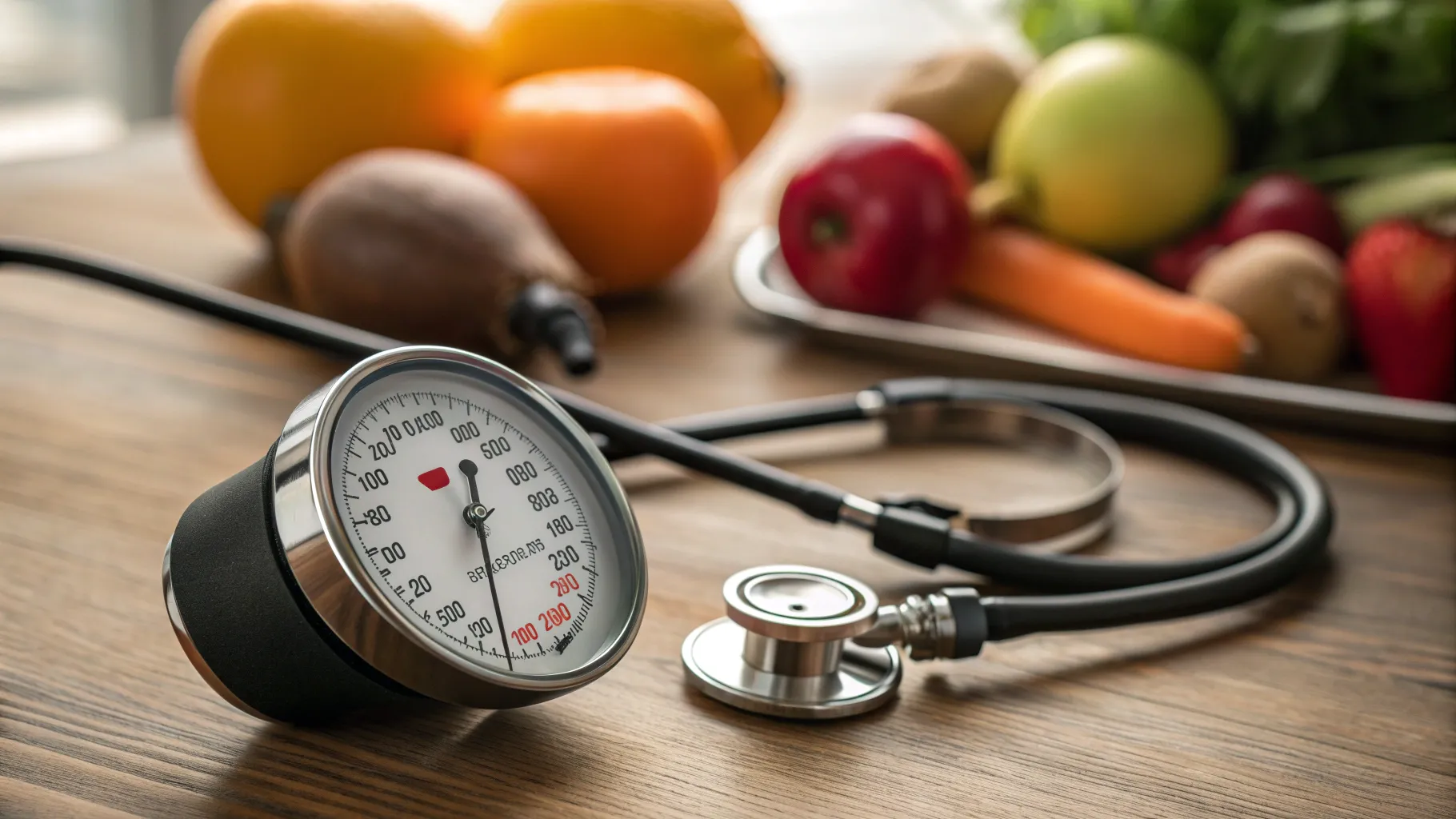
Understanding the Warning Signs of High Blood Pressure in 2025
High blood pressure, commonly referred to as hypertension, is often labeled a "silent killer" for a good reason. Many individuals with elevated blood pressure may not exhibit any obvious symptoms, which emphasizes the importance of regular monitoring. In light of our current health landscape in 2025, recognizing the 8 critical warning signs of high blood pressure has never been more crucial for safeguarding our cardiovascular health.
What is High Blood Pressure?
High blood pressure occurs when the force exerted by blood against the walls of your arteries is consistently too high. This medical condition can lead to serious health complications, including heart disease, stroke, and kidney damage. Recent statistics from the American Heart Association indicate that nearly 50% of adults in the U.S. are grappling with high blood pressure, highlighting a pressing public health issue that requires our immediate attention.
Recognizing 8 Warning Signs of High Blood Pressure
Awareness of hypertension symptoms can sometimes mean the difference between life and death. Here are the 8 warning signs you should keep an eye out for:
- Frequent Headaches: Consistent headaches, particularly in the morning, could signal high blood pressure levels. These headaches might stem from increased pressure on blood vessels in the brain.
- Shortness of Breath: If simple tasks leave you breathless, it could signify that high blood pressure is placing undue stress on your cardiovascular system.
- Nosebleeds: Experiencing an increased frequency of nosebleeds can be a frightening sign, especially if they occur without any apparent cause.
- Dizziness and Lightheadedness: A recurrent feeling of dizziness or lightheadedness is often a warning that blood pressure levels are dangerously high or fluctuating.
- Fatigue: Unlike regular tiredness, experiencing chronic fatigue without a clear reason could indicate your heart is under strain.
- Blurred Vision: Changes in eyesight, particularly blurriness, may result from hypertension-related damage to your eye vessels.
- Chest Pain: Sudden or unusual chest pains should always be treated seriously, as they could be directly related to your blood pressure levels.
- Heart Palpitations: The sensation of your heart racing or pounding can suggest an underlying issue with blood pressure regulation.
Age and Lifestyle Impacting Blood Pressure
As we age, the likelihood of developing high blood pressure increases significantly. Individuals over 65 years old face higher risks due to factors like hormonal changes and decreased arterial elasticity. Thus, for older adults, regular blood pressure monitoring is of the utmost importance to prevent hypertension-related complications.
In 2025, lifestyle plays a monumental role in the prevalence of hypertension. Poor dietary habits, lack of physical activity, excessive sodium intake, and smoking significantly contribute to elevated blood pressure levels. With many people adapting to remote work and more sedentary lifestyles, the incidence of hypertension has surged, further underscoring the need for greater awareness and preventive measures.
Insights from Recent Studies and Case Studies
A recent health survey has illustrated the correlation between lifestyle modifications and blood pressure management. Participants who embraced heart-healthy diets rich in fruits, vegetables, and whole grains—coupled with regular workout routines—witnessed a remarkable drop in their blood pressure by 10-15 mmHg within just six months. This finding highlights the effectiveness of proactive lifestyle changes in controlling hypertension.
Consider John, a 55-year-old office employee who was diagnosed with hypertension last year. He began to experience symptoms like fatigue and headaches, prompting him to take action. By tracking his blood pressure more diligently and participating in a community wellness program, which focused on nutrition and exercise, John has been able to reduce his blood pressure and alleviate his symptoms significantly, achieving a stable reading of 120/80 mmHg within months. His journey emphasizes that personal commitment to health can yield promising results.
What to Do If You Spot These Symptoms
If you or someone close to you notices one or more of the warning signs mentioned, acting swiftly is essential. Here’s what you can do:
- Consult a Healthcare Provider: Schedule an appointment with a healthcare professional to evaluate your blood pressure and determine if further tests are necessary.
- Regular Monitoring: Invest in a home blood pressure monitor for consistent tracking. Keeping a log of your readings can help identify patterns and catch high readings early.
- Implement Lifestyle Changes: Shift to a heart-healthy diet, engage in physical activities such as brisk walking or swimming at least five days a week, manage stress levels effectively, and quit smoking.
- Adhere to Medications: If prescribed, follow your healthcare provider's guidance on blood pressure medications. Do not adjust dosages without their approval.
Awareness is Your Best Weapon
Understanding hypertension and its warning signs is crucial for reducing its prevalence. The sooner you recognize symptoms and understand your risks, the quicker you can take action to protect your health.
As we move through 2025, let’s prioritize awareness of blood pressure health and educate those around us. By fostering a community that values preventive health measures, we can significantly contribute to healthier outcomes. Regular check-ups, informed lifestyle choices, and a proactive approach to detecting the early signs of hypertension can pave the way for a healthier future.
Gaining knowledge about the warning signs of high blood pressure is invaluable in navigating our fast-paced lives. Stay informed, take charge of your health, and encourage others to do the same. Taking the first step toward awareness and action can lead to a profound impact on your health and well-being.