Master Your Finances: 8 Simple Budgeting Habits to Start This Year
Facts:
- Consistent budgeting can reduce financial stress significantly.
- A rising trend in personal finance is the use of AI-powered budgeting apps.
Transform Your Financial Future with These Core Budgeting Routines
Embarking on a journey to financial wellness can feel daunting, but the key is to start small with consistent actions. By developing a set of core principles, you can transform your relationship with money and build a secure future. This guide outlines 8 simple budgeting habits to start this year, designed to be practical and easy to implement. Mastering these personal budgeting routines is not about restriction; it's about empowerment and creating a clear path to your most important financial goals. Adopting these habits will establish a strong foundation in your financial life.
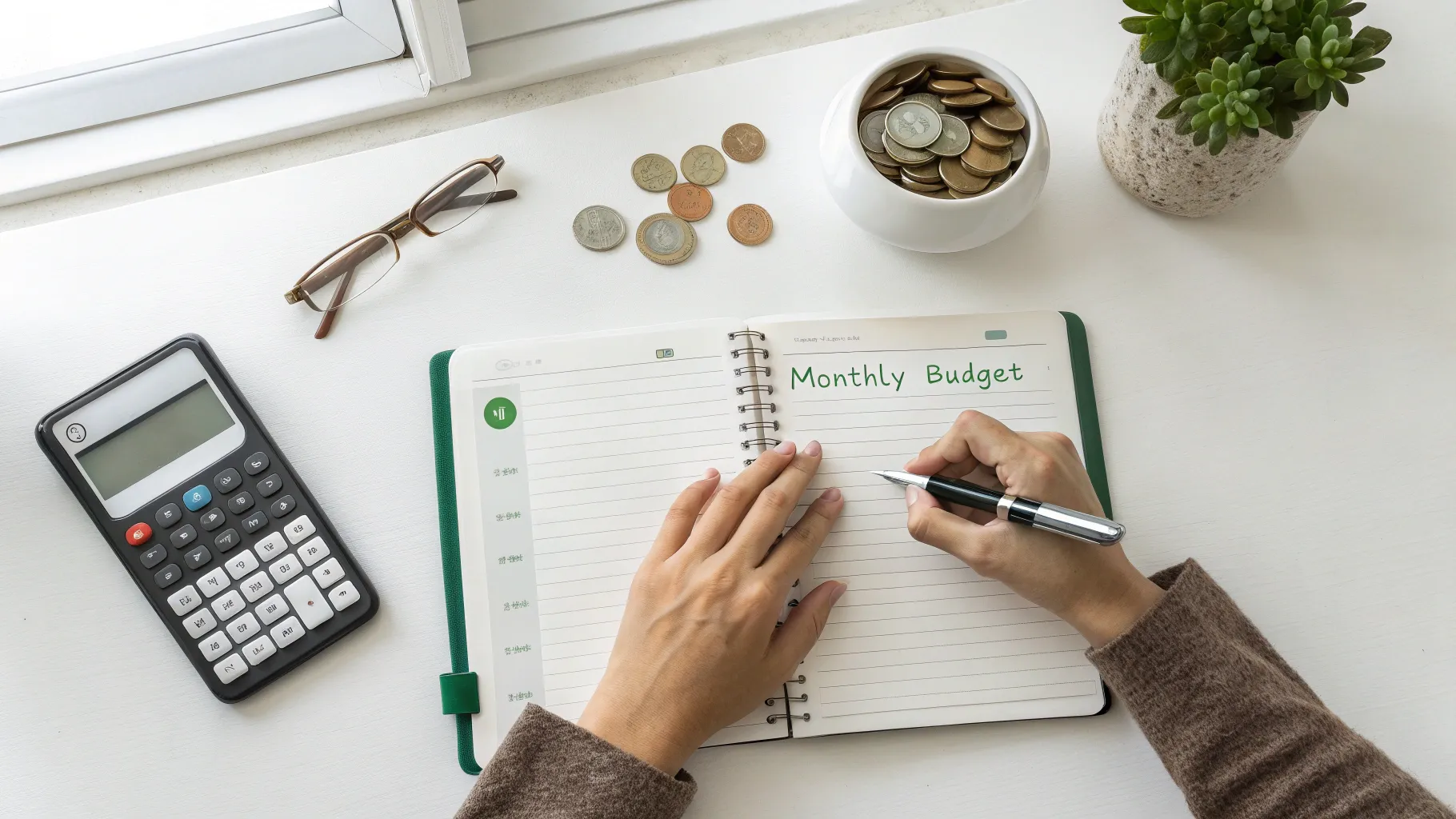
The 8 Essential Budgeting Habits for Financial Wellness
Building wealth and achieving financial freedom starts with the daily and weekly actions you take. These eight habits are the cornerstone of effective financial management. Integrating them into your life will provide clarity and control over your money. These are not just tips; they are foundational budgeting habits that successful people use consistently.
1. Meticulously Track Every Expense
The first rule of budget planning basics is knowing where your money is going. You cannot manage what you do not measure. For at least one month, track every single purchase, from your morning coffee to your monthly subscriptions. Use a notebook, a spreadsheet, or a budgeting app. This exercise illuminates spending patterns you might not be aware of and is a crucial first step in creating effective personal budgeting routines. This detailed tracking is a core component of strong financial organization habits.
2. Create a Realistic Budget You Can Stick To
Once you know where your money goes, you can create a plan for it. A popular and effective method is the 50/30/20 rule: 50% of your after-tax income for needs (housing, utilities, groceries), 30% for wants (dining out, entertainment), and 20% for savings and debt repayment. This framework provides a simple yet powerful structure. The key is to be realistic; a budget that is too restrictive is doomed to fail. This is a fundamental aspect of successful budgeting habits.
3. Set Clear and Specific Financial Goals
A budget without goals is just a list of numbers. Why are you saving? Is it for a down payment on a house, a vacation, retirement, or an emergency fund? Define your goals with specific amounts and timelines (e.g., 'Save $5,000 for an emergency fund in 12 months'). This provides powerful motivation to stick with your personal budgeting routines and makes the daily financial choices much easier.
4. Automate Your Savings and Investments
Pay yourself first. This is one of the most powerful budgeting habits you can adopt. Set up automatic transfers from your checking account to your savings, retirement, or investment accounts on payday. By automating the process, you remove the temptation to spend that money. This simple action ensures you are consistently working towards your goals without having to think about it, reinforcing good financial organization habits.
5. Plan Your Meals and Grocery Shopping
Food is often one of the largest variable expense categories and a prime area for savings. By planning your meals for the week, you can create a precise grocery list and avoid impulse buys. This habit not only saves money but also reduces food waste and the temptation to eat out frequently. Mastering this aspect of your spending is a key part of your journey to adopting 8 simple budgeting habits to start this year.
6. Conduct Regular Budget Reviews
A budget is not a 'set it and forget it' document. Your income, expenses, and goals can change. Schedule a weekly or bi-weekly check-in to review your spending against your budget. These regular check-ins allow you to make adjustments, celebrate wins, and identify problem areas before they get out of hand. Consistent review is a hallmark of effective personal budgeting routines.
7. Use a Cash Envelope System for Problem Areas
If you consistently overspend in certain 'want' categories like dining out or shopping, the cash envelope system can be a game-changer. At the beginning of the month, withdraw cash for these categories and place it in labeled envelopes. Once the cash is gone, it's gone. This tactile method makes your spending feel more real and is a powerful psychological tool for enforcing your budget planning basics.
8. Prioritize Paying Down High-Interest Debt
High-interest debt, like credit card balances, can sabotage your financial progress. The interest payments actively work against your savings goals. Make it a priority within your budget to pay more than the minimum payment on these debts. Use either the 'debt snowball' (paying off smallest balances first for motivation) or 'debt avalanche' (paying off highest interest rates first to save money) method. Tackling debt is a crucial part of any sound financial plan and one of the most impactful budgeting habits.
The Long-Term Benefits of Strong Financial Organization Habits
Adopting these practices goes far beyond simply having more money in your bank account. Strong financial organization habits lead to a profound reduction in financial anxiety and stress. Knowing you have a plan and are in control of your money provides peace of mind. Furthermore, consistent budgeting habits empower you to make major life decisions from a position of strength, whether it's changing careers, buying a home, or starting a family. It's about building a life by design, not by default. The cumulative effect of these 8 simple budgeting habits to start this year is a future where you are the one in charge of your financial destiny.
Actionable Tips for Sticking to Your Budget
- Find a Budgeting Buddy: Share your goals with a trusted friend or partner. Having someone to check in with can provide accountability and encouragement to maintain your personal budgeting routines.
- Use Technology to Your Advantage: Leverage budgeting apps that link to your bank accounts, categorize spending automatically, and send you alerts. This simplifies the tracking process and keeps you informed.
- Celebrate Small Wins: When you hit a small goal, like sticking to your food budget for a month, reward yourself with a small, pre-planned treat. This positive reinforcement helps solidify your new budgeting habits.
- Prepare for Irregular Expenses: Don't let annual or semi-annual bills derail your budget. Create 'sinking funds' by setting aside a small amount each month for these predictable but infrequent expenses. This is a core concept of advanced budget planning basics.
Frequently Asked Questions
What are the most important budget planning basics for a beginner?
For a beginner, the three most crucial budget planning basics are: 1) Tracking every dollar you spend for a month to understand your cash flow. 2) Creating a simple budget based on that data, like the 50/30/20 rule. 3) Automating at least a small amount of savings to build the habit of paying yourself first. Master these before moving to more complex strategies.
How long does it take to form solid budgeting habits?
While the popular belief is 21 days, studies show that forming a new habit can take anywhere from 18 to 254 days, with the average being around 66 days. The key is consistency. Focus on practicing your new budgeting habits daily and weekly, and be patient with yourself. After two to three months of consistent effort, these actions should start to feel more automatic and become ingrained as personal budgeting routines.
References
- The Principles of Personal Finance
- Modern Budgeting Strategies Guide
- Behavioral Economics and Spending Patterns
- Annual Report on Household Debt and Credit