8 High Fiber Foods for Effective Constipation Relief
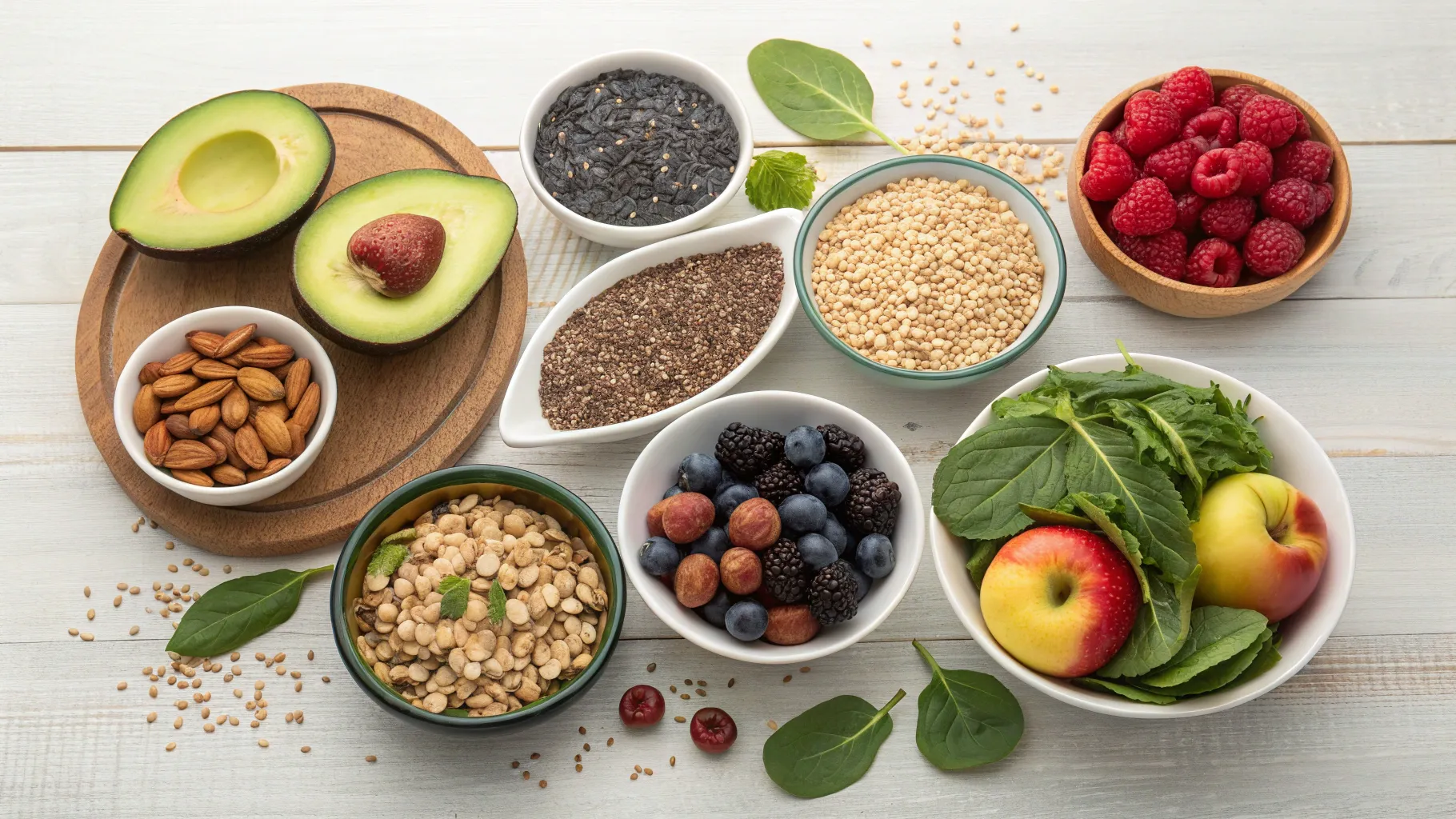
8 Foods for Natural Constipation Relief
Constipation is a common digestive issue that many people experience at some point. It can lead to discomfort and frustration, prompting individuals to look for effective and natural remedies. One of the most effective ways to alleviate constipation is through dietary choices. In this article, we will explore eight delicious foods that can help maintain regular bowel movements, all backed by recent research from 2025.
How Dietary Fiber Supports Regular Bowel Movements
Diet plays a crucial role in gut health and overall well-being. High-fiber foods can stimulate the intestines and improve how quickly things move within the digestive system. The American Dietetic Association reports that adequate fiber intake can reduce the incidence of constipation significantly. It's not just about eating fiber; the type of fiber matters. There are two kinds: soluble and insoluble. Each promotes gut health differently. Soluble fiber helps to soften stool by absorbing water, while insoluble fiber adds bulk and aids in movement through the digestive tract. Combining both types of fiber in your diet can significantly enhance digestive comfort.
1. **Avocados: Nutrient-Dense Powerhouses**
Avocados aren’t just trendy; they are incredibly nutritious. Each avocado boasts around 10 grams of fiber. This fruit is also rich in healthy fats, which support digestion and improve nutrient absorption. A 2025 health survey found that regular avocado consumption was associated with fewer gastrointestinal complaints. A simple way to enjoy avocados is to slice them onto whole grain toast or blend them into smoothies.
2. **Chia Seeds: Tiny Seeds with Big Benefits**
Chia seeds might be small, but they are mighty in terms of nutrition. One ounce (about 28 grams) of these seeds packs in a staggering 11 grams of fiber. When mixed with water, they form a gel-like substance that adds bulk to your stool and eases its transit through the gut. Incorporating chia seeds into your meals can be fun and creative. They can be added to smoothies, oatmeal, or even used to make a delightful pudding. This versatility makes it easy to include them in your diet regularly.
3. **Oats: A Breakfast Favorite**
Switching your morning routine to include oats can work wonders for your digestion. Oats contain soluble fiber, which softens stool and enhances bowel regularity. Recent data shows that people who eat oatmeal consistently report fewer instances of constipation. Consider starting your day with a hearty bowl of oatmeal topped with fresh fruits, nuts, or a spoonful of honey. This wholesome breakfast can set the stage for smoother digestion throughout the day.
4. **Prunes: Time-Honored Reliever**
Prunes have garnered a reputation as a classic remedy for constipation—and for good reason! Loaded with both soluble and insoluble fiber, as well as natural sorbitol (a sugar alcohol that promotes bowel movements), they are highly effective. A clinical study published in early 2025 showed that participants who consumed prunes experienced greater relief from constipation compared to those who took fiber supplements. Just a handful of prunes daily can keep your digestive system in check.
5. **Apples: Delicious and Nutritious**
Apples are not just a convenient snack; they offer about 4 grams of fiber per medium fruit. Their high pectin content helps regulate digestion by keeping things moving smoothly through the intestines. Plus, their natural sweetness makes them a joy to eat—whether raw in salads or baked into crisp desserts. With their high water content, apples help keep you hydrated, which is essential for preventing constipation.
6. **Leafy Greens: Nutrient Powerhouses**
Think of leafy greens like spinach, kale, and collard greens as superheroes for your digestive system. They are rich in fiber and boast high levels of magnesium, which helps relax the muscles in your intestines and promotes regular bowel movements. A cup of boiled spinach provides around 6 grams of fiber. Adding greens to your meals not only benefits digestion but also contributes to overall health due to their rich vitamin and mineral content.
7. **Legumes: Fiber-Rich Protein Sources**
Legumes such as lentils, beans, and peas are fantastic sources of dietary fiber. Half a cup of cooked lentils can contain an impressive 7 to 8 grams of fiber. In addition to fiber, legumes are a great source of protein and essential nutrients. Emerging research highlights that diets rich in legumes lead to improved digestive health. They make great additions to salads, soups, and stews, providing both nourishment and satisfaction.
8. **Berries: Nature’s Sweet Treats**
Berries such as raspberries, blackberries, and blueberries are not only delicious but also incredibly fiber-rich. Raspberries, for example, contain about 8 grams of fiber per cup. Their high water content aids digestion and helps keep stools soft and easy to pass. Enjoying a bowl of mixed berries as a snack or adding them to your cereal can significantly boost your fiber intake while satisfying your sweet tooth.
The importance of a fiber-rich diet cannot be overstated when it comes to preventing and relieving constipation. As we embrace 2025, many are recognizing the benefits of a balanced diet filled with whole, nutrient-dense foods. Not only do these foods contribute to better digestion, but they also enhance overall well-being. Remember that hydration is equally important, so pair these fiber-rich foods with plenty of water for optimal digestive function. By making these simple dietary adjustments and incorporating these eight beneficial foods into your meals, you can pave the way for smoother digestion and better health.