8 Foods for Natural Constipation Relief and Gut Health
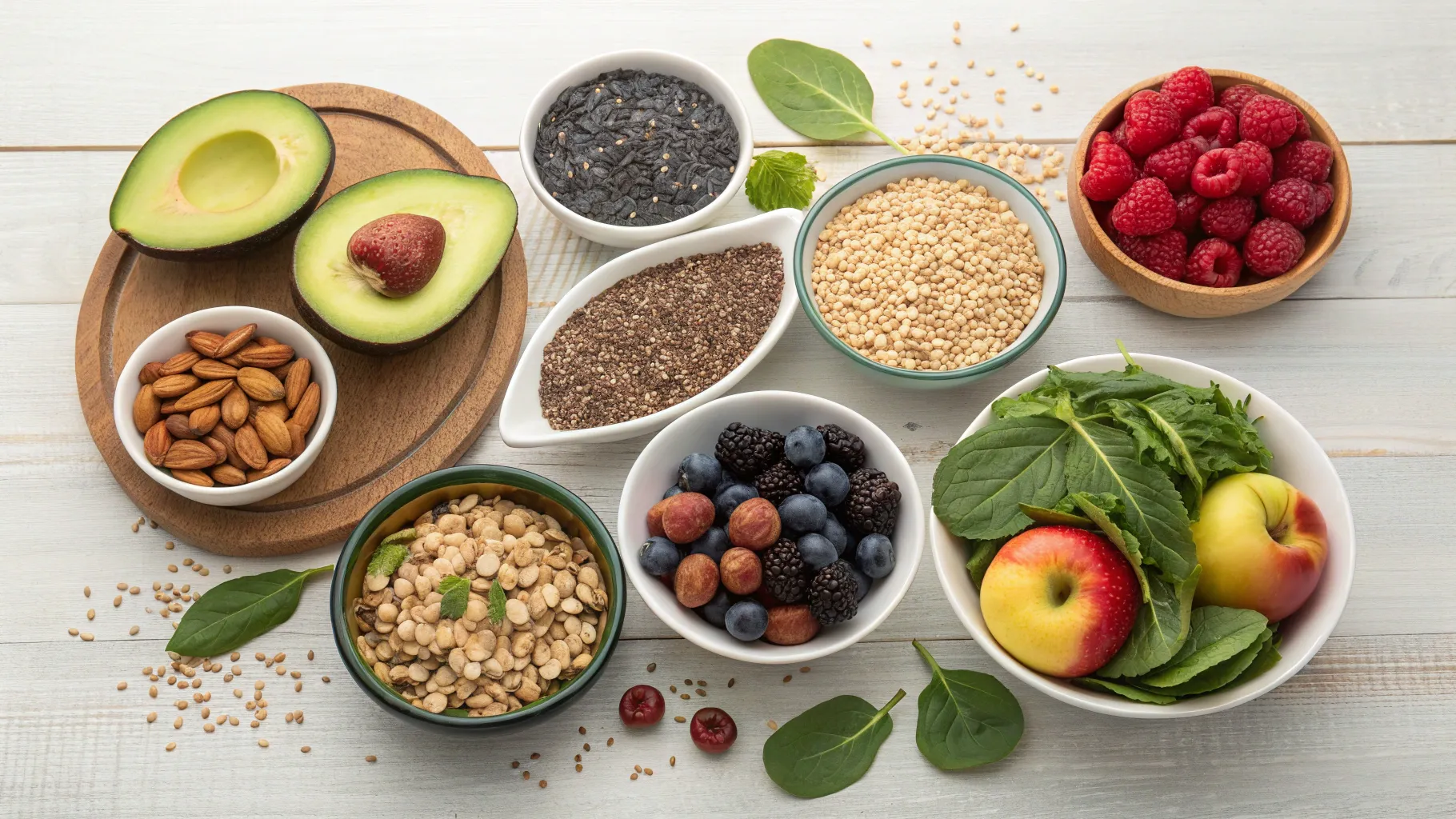
8 Foods for Constipation Relief
Constipation can be an uncomfortable and frustrating condition, affecting millions of people in 2025. Feeling bloated and sluggish is never fun, and when bowel movements become infrequent, it can lead to more serious health issues. Thankfully, understanding how diet can support regular bowel movements is key to regaining digestive comfort. Let’s explore eight natural foods that relieve constipation and promote gut health.
High-Fiber Foods for Better Digestion and Gut Health
Fiber is essential for digestive health because it adds bulk to the stool and promotes movement through the intestines. The recommended daily intake of fiber for adults is around 25 to 30 grams, yet studies indicate that most people fall short of this target. If you’re seeking relief from constipation, incorporating high-fiber foods into your diet can significantly help. Here are eight outstanding options to get you started:
- 1. Apples: An apple a day truly can keep constipation at bay! Apples are rich in pectin, a type of soluble fiber, which aids in softening stools. Eating them with the skin on maximizes their fiber content. Recent studies in 2025 have shown that eating apples regularly can improve bowel movement frequency.
- 2. Chia Seeds: These tiny seeds are a powerhouse of fiber, packing about 11 grams of fiber in just two tablespoons. They can absorb water to form a gel-like substance in the digestive system, promoting bowel movements. Adding chia seeds to smoothies or yogurt can make a delicious and fiber-rich snack.
- 3. Lentils: Lentils are not only high in protein but also a fantastic source of soluble fiber. A single cup of cooked lentils has about 15.6 grams of fiber. Including lentils in soups or salads boosts not only your fiber intake but also your overall nutrient profile.
- 4. Oats: Starting your day with oatmeal can be an excellent way to increase your fiber intake. Oats contain a unique type of soluble fiber called beta-glucan, known for its cholesterol-lowering properties as well. With about 4 grams of fiber per cup, oats can help regulate your digestive system effectively.
- 5. Pears: Much like apples, pears are packed with fiber, especially when consumed with the skin. They contain around 5.5 grams of fiber per medium-sized pear and also provide natural sugars that can aid in digestion. Their high water content can also help prevent dehydration, a common cause of constipation.
- 6. Broccoli: This green powerhouse is not only rich in vitamins C and K but also contains about 5 grams of fiber per cup when cooked. Incorporating broccoli into your meals can add bulk to your stool and flush out waste from your digestive system.
- 7. Whole Grains: Whole grains, such as brown rice and quinoa, are excellent sources of fiber that can help relieve constipation. Switching from refined grains to whole grains can provide significant benefits. For instance, one cup of cooked quinoa contains about 5 grams of fiber, making it a weighty ally for your digestive health.
- 8. Prunes: Often dubbed the superfood for constipation relief, prunes are rich in both soluble and insoluble fiber. They also contain sorbitol, a natural sugar that acts as a laxative. Studies have shown a correlation between dried fruit consumption, particularly prunes, and improved bowel regularity.
How Diet Can Support Regular Bowel Movements
The role of diet in enhancing digestive comfort is undeniable. Regular meals rich in fiber encourage the intestines to function optimally, preventing the discomfort of constipation. Some tips for maintaining good digestive health include:
- Hydration: Drink plenty of water throughout the day. Staying hydrated is crucial for digestion and helps dissolved fiber to do its job effectively.
- Balanced Meals: Ensure meals contain a variety of fruits, vegetables, whole grains, and legumes. This not only boosts fiber intake but also provides essential nutrients.
- Mindful Eating: Paying attention to your eating habits can have a significant impact. Eating slowly and chewing thoroughly can improve digestion and promote feelings of fullness.
Additionally, recent research emphasizes the importance of probiotics in gut health. Foods like yogurt, kefir, and fermented vegetables can enhance the gut microbiome, potentially improving digestive efficiency and regularity.
Incorporating these 8 foods into your diet is a tasty way to combat constipation naturally. Pay attention to how your body reacts to these changes, and consider adjusting portion sizes based on your individual response. Remember, the journey to better digestive health is gradual and should be approached with patience.
As you make an effort to consume these high-fiber foods, it’s also essential to listen to your body. Each person’s digestive system is unique, and what works for one individual may not work for another. By gradually introducing fiber into your diet and maintaining regular hydration, you'll start to notice positive changes in your digestive comfort and overall well-being.
In conclusion, bowel health is crucial in ensuring that our bodies function at their best. By prioritizing fiber-rich foods and maintaining hydration, you will not only alleviate constipation but also support long-term gut health. Enjoy the journey towards finding the right balance for your digestive needs, and celebrate every small victory in your quest for comfort!