7 Warning Signs of Liver Problems You Shouldn't Ignore
Facts:
- The liver is the only organ that can regenerate itself completely.
- Non-alcoholic fatty liver disease (NAFLD) affects about 25% of the global population.
Recognizing the Subtle Clues Your Liver Is Sending
Your liver is a powerhouse, performing over 500 vital functions. But what happens when it's in trouble? Often, the initial signs of liver disease are subtle and easily mistaken for other conditions. Understanding these signals is crucial for early detection and intervention. Many people ask themselves, do i have liver problems, because the symptoms can be so vague at first. Ignoring these early warnings can lead to more severe complications. This guide will walk you through the most critical liver damage symptoms to watch for, helping you recognize when it's time to seek medical advice.
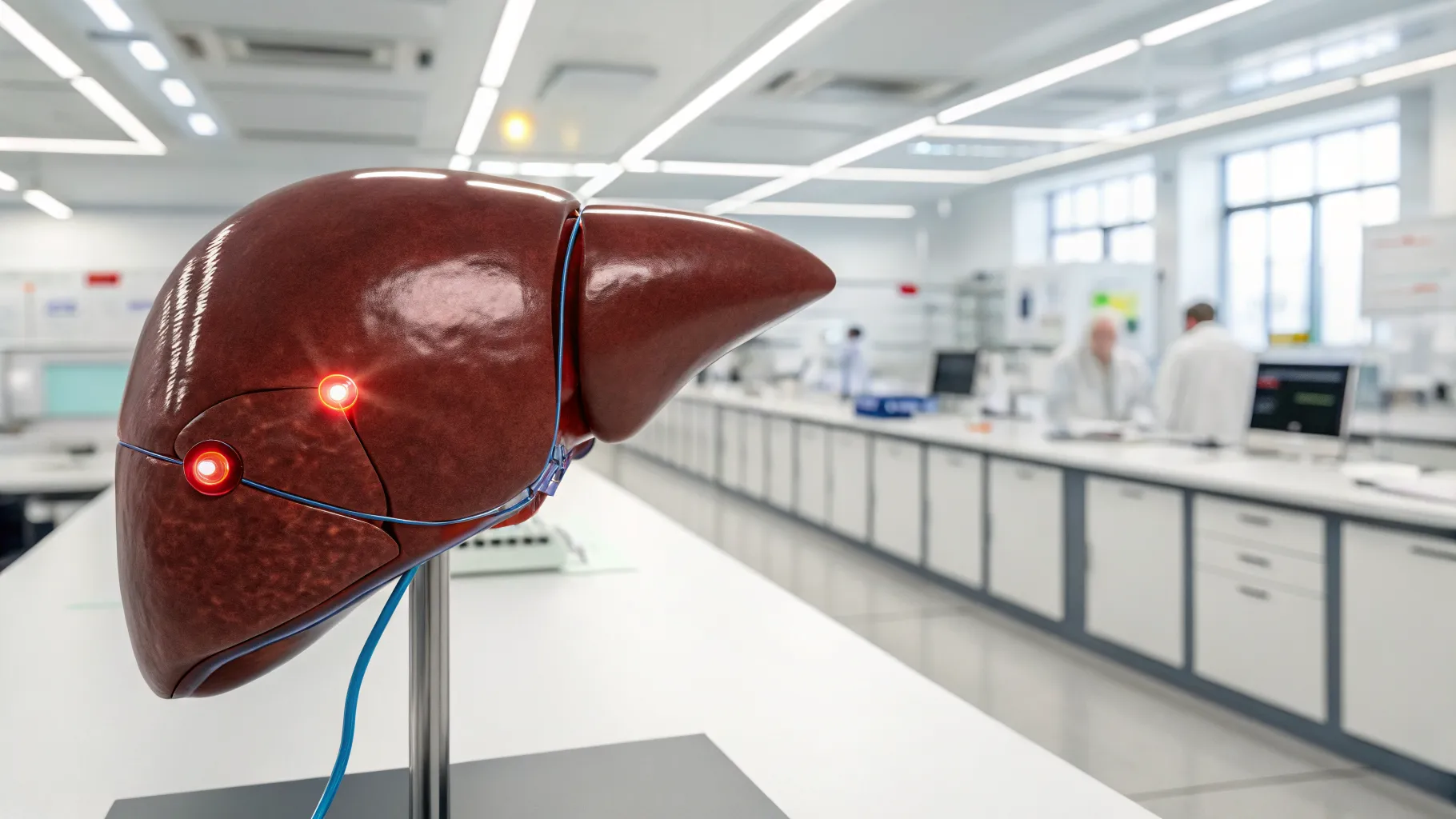
The Top 7 Liver Problem Warning Signs
Paying close attention to your body is the first step in identifying potential health issues. The following are the 7 liver problem warning signs that demand your attention. These symptoms can appear gradually, so it's important to note any persistent changes in your well-being.
1. Persistent Fatigue and Weakness
Feeling unusually tired all the time is more than just a sign of a busy life; it can be one of the most common liver disease symptoms. The liver plays a key role in energy metabolism by converting food into usable energy. When it's not functioning correctly, your body's energy supply can plummet, leading to chronic fatigue that isn't relieved by rest. This is a significant indicator among the 7 liver problem warning signs.
2. Jaundice (Yellowing of Skin and Eyes)
Jaundice is one of the most well-known signs of liver disease. It occurs when the liver can't properly process bilirubin, a yellow pigment formed from the breakdown of red blood cells. Excess bilirubin builds up in the bloodstream, causing the skin and the whites of the eyes to take on a yellowish hue. This is a clear signal of significant liver dysfunction.
3. Abdominal Pain and Swelling
Discomfort or pain in the upper right quadrant of your abdomen, just below your rib cage, can be a direct symptom of liver inflammation or enlargement. In more advanced cases of liver damage, fluid can accumulate in the abdomen, a condition known as ascites. This swelling can cause a feeling of fullness and significant discomfort, representing serious liver damage symptoms.
4. Swelling in Legs and Ankles (Edema)
When the liver is damaged, its ability to produce albumin, a protein that prevents fluid from leaking out of blood vessels, is impaired. The resulting low albumin levels can cause fluid to accumulate in the legs and ankles, leading to swelling known as edema. This is another key indicator when you're asking, do i have liver problems?
5. Dark Urine and Pale Stool
Changes in the color of your urine and stool are important liver disease symptoms. Increased bilirubin levels that cause jaundice can also make your urine appear unusually dark, like tea or cola. Conversely, because the liver releases bile salts into the stool, giving it a normal brown color, liver problems can cause stools to become pale, clay-colored, or gray.
6. Nausea, Vomiting, and Loss of Appetite
Persistent nausea is a common symptom associated with liver dysfunction. The liver's role in detoxification means that when it's impaired, toxins can build up in the body, leading to feelings of sickness and a significant loss of appetite. This is one of the more general but still crucial 7 liver problem warning signs.
7. Persistent Itchy Skin (Pruritus)
While itchy skin can have many causes, intense itching without a visible rash can be one of the more frustrating liver damage symptoms. It is believed to be caused by the buildup of bile products in the body that the liver fails to eliminate. This itching can be widespread and severe, significantly impacting quality of life.
Early vs. Advanced Liver Damage Symptoms: What's the Difference?
It's vital to understand the progression of liver disease symptoms. In the early stages, you might only experience vague symptoms like fatigue or mild, intermittent abdominal discomfort. Many people dismiss these early warnings. However, as the condition progresses, more specific and severe signs of liver disease emerge, such as jaundice, ascites, and significant swelling. Recognizing the early, subtle signs is key to seeking timely treatment and preventing irreversible damage. If you're consistently experiencing several of the 7 liver problem warning signs, it's a clear signal to consult a healthcare professional, rather than wondering, 'do i have liver problems'.
Proactive Steps for Supporting Your Liver Health
While you can't control all risk factors, there are many lifestyle choices you can make to protect your liver. Taking a proactive stance can help prevent the onset of many common liver damage symptoms.
- Maintain a Balanced Diet: Focus on a diet rich in fruits, vegetables, whole grains, and lean proteins. Limit your intake of high-fat, sugary, and processed foods, which can contribute to fatty liver disease.
- Exercise Regularly: Physical activity helps control weight and can reduce liver fat. Aim for at least 30 minutes of moderate exercise most days of the week.
- Limit Alcohol Consumption: Excessive alcohol is a primary cause of liver damage. Adhering to recommended guidelines or abstaining is one of the best ways to protect your liver.
- Avoid Toxins: Be mindful of environmental toxins, chemicals, and certain medications that can harm the liver. Always follow instructions for medications and chemicals.
- Get Regular Check-ups: Routine blood tests can detect early signs of liver disease, often before symptoms even appear, allowing for prompt management.
Frequently Asked Questions
How can I know for sure if do i have liver problems?
The only way to know for sure is to see a doctor. They can perform blood tests, such as a liver function panel, and imaging tests like an ultrasound to assess the health of your liver and diagnose any issues based on your specific liver disease symptoms.
What are the earliest signs of liver disease?
The earliest signs are often non-specific and can include chronic fatigue, a general feeling of being unwell (malaise), and occasional nausea or loss of appetite. Because they are subtle, these early liver damage symptoms are frequently overlooked.
Can the liver repair itself from damage?
Yes, the liver has a remarkable ability to regenerate. If damage is caught early and the underlying cause (like alcohol or a virus) is removed, the liver can often heal itself. However, severe or long-term damage can lead to permanent scarring (cirrhosis).
Are the 7 liver problem warning signs the same for everyone?
While these seven signs are common, the specific symptoms and their severity can vary greatly from person to person depending on the type and stage of the liver disease. Not everyone will experience all seven signs.
References
- American Liver Foundation
- National Institute of Diabetes and Digestive and Kidney Diseases (NIDDK)
- World Health Organization (WHO) - Hepatitis Reports
- Journal of Hepatology