7 Super Foods to Eat During Flu Season for a Stronger Immune System
Facts:
- Certain foods rich in vitamins C, D, and Zinc can significantly boost immune response.
- A major trend in wellness is focusing on seasonal healthy eating for proactive flu prevention.
Fortify Your Defenses: The Ultimate Guide to Flu Season Foods
As winter approaches, so does the dreaded flu season. While vaccines and good hygiene are primary lines of defense, the power of nutrition should not be underestimated. Adopting a diet rich in specific vitamins and minerals can fortify your immune system, making you less susceptible to illness. Focusing on flu season foods is a proactive and delicious strategy for staying healthy. These are not just any foods; they are powerhouse ingredients packed with the necessary compounds to help your body fight off viruses. Embracing seasonal healthy eating is one of the most effective ways to support your overall well-being during the colder months.
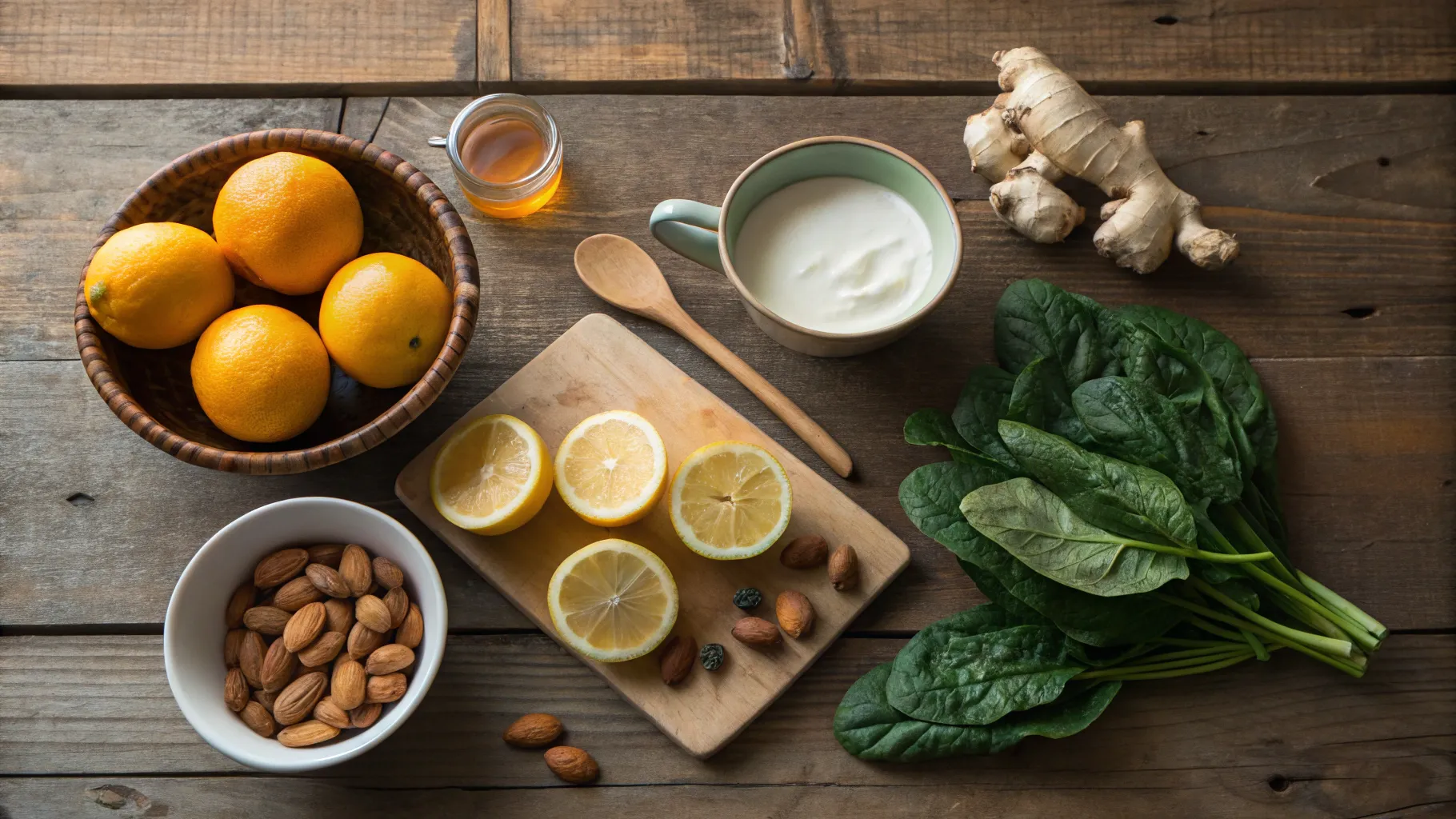
The Top 7 Super Foods to Eat During Flu Season
To help you build a robust defense, we’ve compiled a list of the 7 super foods to eat during flu season. These items are readily available and can be easily incorporated into your daily meals. They are prime examples of nutrient rich foods winter diets should include.
1. Citrus Fruits (Oranges, Grapefruits, Lemons)
Citrus fruits are famous for their high Vitamin C content, a potent antioxidant that is believed to increase the production of white blood cells. These are the body's primary infection-fighting cells. Because your body doesn't produce or store Vitamin C, you need a daily intake for continued health. An orange, a grapefruit, or even just a squeeze of lemon in your water can contribute to your daily needs, making them essential foods commonly eaten during flu season.
2. Garlic
For centuries, garlic has been recognized for its immune-boosting properties. It contains allicin, a compound that has been shown to have antimicrobial and antiviral effects. Incorporating fresh garlic into your cooking not only adds incredible flavor but also provides a powerful health benefit. It's a staple among flu season foods for its ability to potentially shorten the severity of cold and flu symptoms.
3. Ginger
Ginger is another powerhouse that can help fight illness. It has strong anti-inflammatory and antioxidant properties. A warm cup of ginger tea can be incredibly soothing for a sore throat and may help decrease inflammation. Many people turn to ginger as a natural remedy, solidifying its place among the top 7 super foods to eat during flu season.
4. Spinach
Rich in Vitamin C, antioxidants, and beta carotene, spinach is a leafy green that boosts the infection-fighting ability of our immune systems. To get the most benefit, it's best to cook it as little as possible to retain its nutrients. This makes it one of the most versatile and effective nutrient rich foods winter has to offer.
5. Yogurt
Look for yogurts that have 'live and active cultures' on the label. These cultures, also known as probiotics, can stimulate your immune system to help fight diseases. Opt for plain yogurt rather than flavored varieties to avoid added sugar. Yogurt is a fantastic base for a healthy breakfast and a cornerstone of seasonal healthy eating.
6. Almonds
When it comes to preventing and fighting off colds, Vitamin E tends to take a backseat to Vitamin C, but this powerful antioxidant is key to a healthy immune system. Almonds are packed with Vitamin E and also contain healthy fats. A small handful is a great snack that contributes to your body's defenses, making them one of the most convenient foods commonly eaten during flu season.
7. Turmeric
This bright yellow, bitter spice has been used for years as an anti-inflammatory in treating both osteoarthritis and rheumatoid arthritis. Research shows that high concentrations of curcumin, which gives turmeric its distinct color, can help decrease exercise-induced muscle damage and has antiviral properties. Adding it to curries or lattes can enhance your seasonal healthy eating plan.
Boosting Immunity: Whole Foods vs. Supplements
While supplements can be helpful, nutritionists generally agree that obtaining vitamins and minerals from whole foods is superior. The complex matrix of fiber, phytochemicals, and other compounds in whole foods works synergistically to provide benefits that isolated supplements cannot. For instance, the fiber in an orange helps regulate blood sugar in a way that a Vitamin C tablet doesn't. Relying on a balanced diet of nutrient rich foods winter provides a broader spectrum of benefits, making it the preferred strategy over simply popping pills. A diet full of diverse flu season foods ensures you're not missing out on crucial micronutrients.
Practical Ways to Incorporate These Super Foods
Integrating these immune-boosting foods into your diet doesn't have to be complicated. Here are some simple, actionable tips to enhance your meal plan and fortify your health this winter.
- Start Your Day Strong: Add citrus slices and a spoonful of yogurt to your morning oatmeal. A smoothie with spinach, yogurt, and an orange is another excellent option.
- Spice Up Your Meals: Generously use fresh garlic, ginger, and turmeric in your soups, stews, and stir-fries. These ingredients add immense flavor and health benefits.
- Snack Smart: Keep a bag of almonds at your desk or in your car for a quick, healthy snack that helps you avoid less nutritious options.
- Stay Hydrated with a Twist: Make ginger and lemon tea a regular part of your day. It's a warm, soothing beverage that directly delivers the benefits of these powerful ingredients.
Lifestyle Habits to Complement Seasonal Healthy Eating
A healthy diet is a critical component of flu prevention, but it works best when combined with other healthy habits. Ensure you are getting adequate sleep, as rest is crucial for immune cell production. Regular, moderate exercise can also boost your immune system's effectiveness. Finally, managing stress and staying hydrated are essential pieces of the puzzle. Combining these practices with a diet focused on the 7 super foods to eat during flu season creates a comprehensive defense against illness.
Frequently Asked Questions
Can these flu season foods guarantee I won't get the flu?
No food can guarantee you won't get sick. However, a diet rich in these nutrient rich foods winter offers can significantly strengthen your immune system, potentially reducing your risk of infection and lessening the severity and duration of symptoms if you do get sick.
How often should I consume these foods commonly eaten during flu season?
For best results, aim to incorporate several of these foods into your diet on a daily basis throughout the fall and winter months. Consistency is key to maintaining a strong immune system. Think of it as a key part of your seasonal healthy eating routine.
Are frozen or canned versions of these foods still effective?
Fresh is often best, but frozen fruits and vegetables are excellent alternatives. They are typically frozen at peak ripeness, preserving most of their nutrients. When choosing canned options, look for those with no added salt or sugar.
References
- Nutritional Strategies to Boost Immunity During Flu Season
- The Role of Vitamins and Minerals in Immune Function
- Herbal Remedies for the Common Cold and Influenza: A Review
- Probiotics and Their Impact on the Immune System