7 Stain Removing Tips for Effective Fabric Care
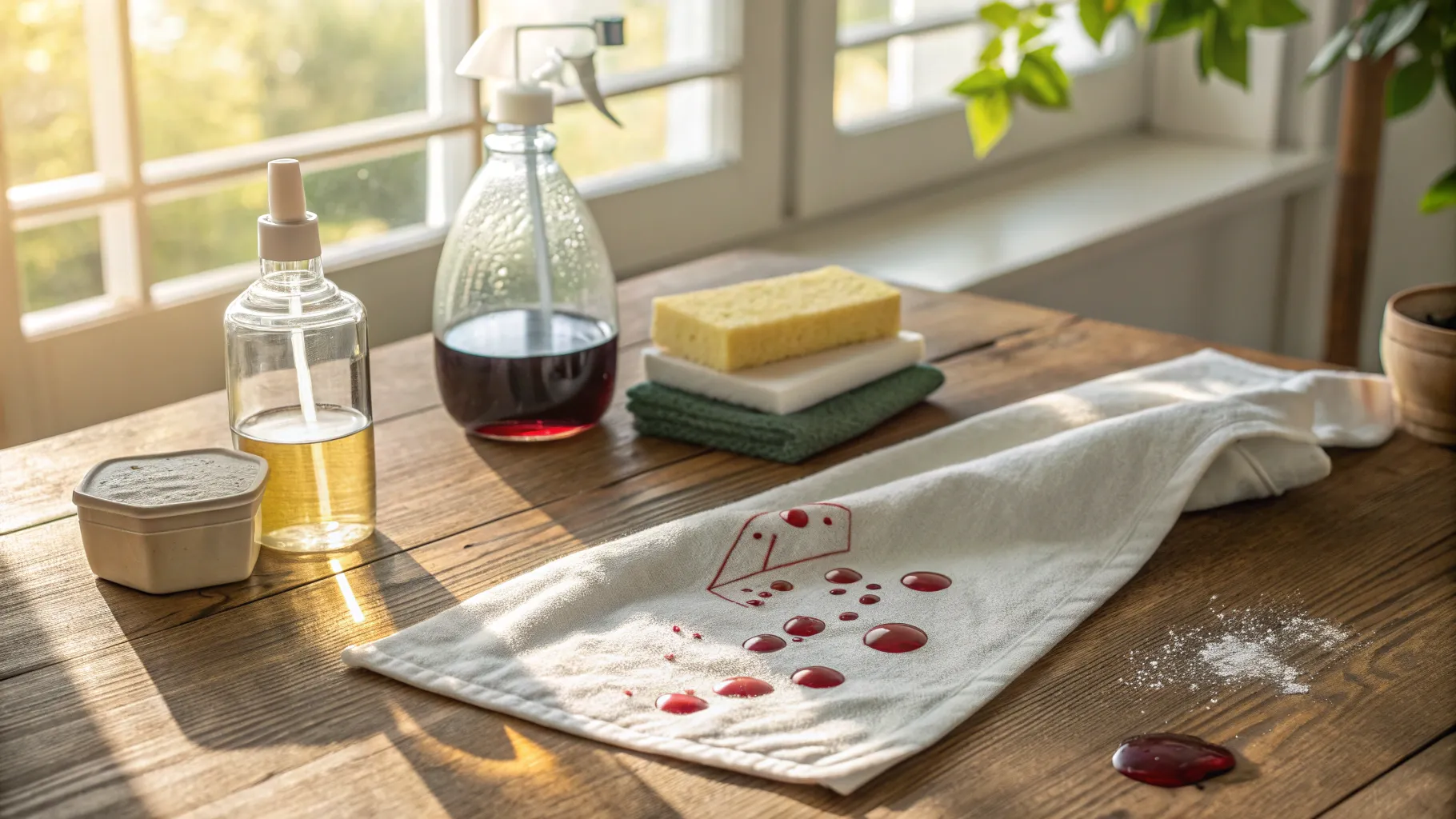
7 Stain Removing Tips for Every Household
When it comes to maintaining cleanliness in our homes, stains often feel like the relentless enemies we can't escape. Whether it's a splash of red wine at dinner, an ink mark from a pen, or the remnants of a child’s chocolate-covered fingers, stains seem to have an uncanny ability to appear at the most inconvenient times. However, with the right stain removal methods, you can tackle these challenges effectively. Here are 7 stain removing tips that will help you reclaim your fabrics and keep your spaces spotless.
1. Act Quickly
The first tip is to address the stain as soon as possible. The longer you wait, the harder it will be to remove. For instance, studies show that treating stains within 24 hours significantly increases the chances of complete removal. So, when an accident occurs, don’t delay. Blot the area gently with a clean cloth to absorb as much of the stain as possible. Remember, blot instead of rubbing to avoid spreading the stain further.
2. Use Cold Water for Fresh Stains
For most fresh stains, particularly those from beverages like juices or soda, rinsing with cold water is your best bet. Cold water prevents the stain from setting in, especially on protein-based stains like blood or dairy. Pour cold water through the back of the fabric to help push the stain out without forcing it deeper.
Did you know that according to recent surveys, 78% of people mistakenly use hot water on fresh stains? This common error can actually lock the stain in place, making removal more challenging.
3. Choose the Right Cleaning Agent
Choosing the appropriate cleaning agent is crucial for effective stain removal.
Here’s a quick guide on what to use for common stains:
- Red Wine: Blot the area and sprinkle salt to absorb the liquid. Follow up with a mixture of hydrogen peroxide and dish soap.
- Grease: Talcum powder or cornstarch can work wonders. Apply it to absorb the grease before washing.
- Ink: Rubbing alcohol is often a go-to. Dab a cloth soaked in rubbing alcohol on the stain, then rinse.
- Chocolate: Always scrape off the excess, then use a stain stick or pre-wash treatment before laundering.
4. Test for Colorfastness
Before applying any cleaning solution or method, always check for colorfastness. This step is especially important for dyed fabrics, as some cleaning agents may cause discoloration. To perform a quick test, apply a small amount of the cleaner to an inconspicuous area of the fabric and check for any adverse reactions. This simple yet effective step can prevent irreversible damage to your favorite clothes.
5. Homemade Cleaning Solutions
In the quest for effective stain removal, many people are turning to homemade solutions that are not only effective but also eco-friendly. Here are a couple of popular recipes you might find handy:
- Baking Soda Paste: Mix baking soda with water to form a paste. This is ideal for greasy stains. Apply it to the stain, let it sit for 30 minutes, then rinse.
- White Vinegar and Dish Soap: For tough stains, a mix of equal parts white vinegar and dish soap can help lift stains effortlessly. Use it on carpets or upholstery.
The rise in demand for homemade cleaners has been evident, with a 40% increase in online searches for DIY cleaning solutions over the past year, showcasing that more people are looking for sustainable alternatives.
6. Blot, Don’t Rub
One of the biggest mistakes people make in stain removal is rubbing the stained fabric. Rubbing can damage the fibers, cause fraying, and push the stain deeper into the fabric.
Instead, blot the area gently; use a clean cloth or paper towel, and apply pressure to absorb the stain. By using this technique, you can prevent the stains from setting in and causing further problems.
7. Use Sunlight for Natural Stains
If you have the luxury of natural sunlight, leverage it for stains that are organic (like grass or fruit juice). Simply hang your stained items in bright sunlight for a couple of hours. The UV rays can naturally lighten the stain. However, be cautious with colored fabrics as prolonged exposure to sunlight can cause fading.
Home Stain Cleaning Guide
Proactively maintaining your fabrics with these stain removal methods not only keeps your home looking its best but can also extend the life of your clothing and upholstery. Here are some additional tips to consider:
- Always check the care label on garments before applying any cleaning solutions.
- For delicate fabrics like silk or wool, consider professional cleaning when faced with tough stains.
- Keep a basic stain removal kit handy, including a bottle of rubbing alcohol, white vinegar, baking soda, and a set of clean cloths.
- Involve your family in the conversation about stains. Teaching kids to treat their own minor stains can save you time and effort.
Being prepared and knowledgeable about how to treat common stains can save you from the frustration of dealing with permanent marks on your favorite items. With these tips, you can tackle stains with confidence and keep your home looking great. Remember, the key to effective stain removal lies in swift and informed action. Happy cleaning!