7 Reasons Your Grocery Budget is High and How to Fix It
Facts:
- Food-at-home prices are projected to continue rising.
- Impulse buying accounts for a significant portion of grocery budget problems.
Decoding Your High Grocery Bill: The Hidden Culprits
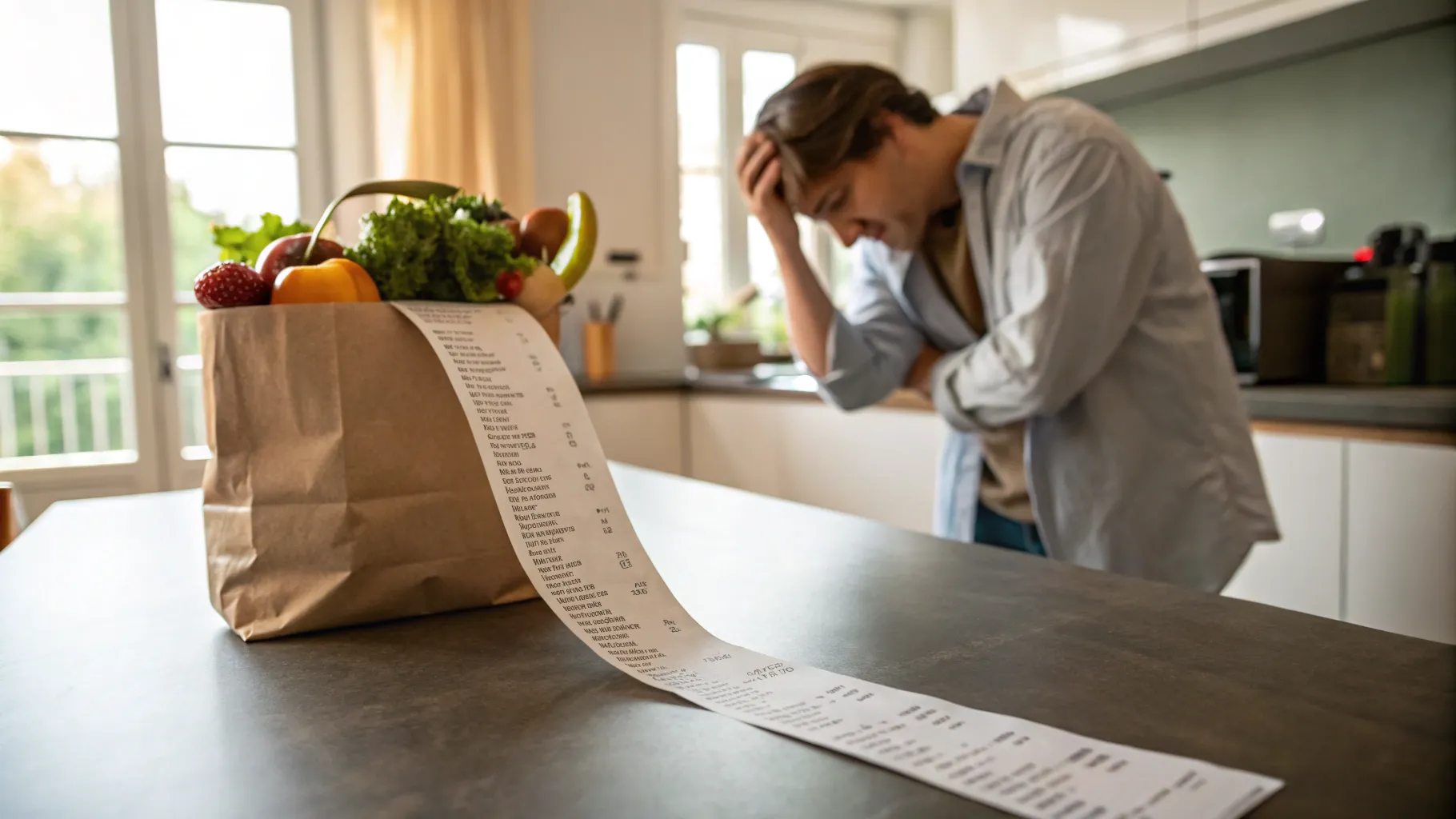
Feeling the strain every time you check out at the supermarket? You're not alone. Many households face significant grocery budget problems, wondering why groceries are expensive and where the money goes. The issue often isn't a single major expense but a series of small, overlooked habits and choices that accumulate. Understanding these patterns is the first step toward regaining control. This guide will break down the primary causes of overspending on groceries and provide actionable strategies to help you shop smarter and save more.
The Top 7 High Grocery Bill Reasons
If your grocery spending feels out of control, it's time to investigate the root causes. Often, the reasons are subtle yet impactful. By identifying these common pitfalls, you can start making targeted changes. Here are the 7 high grocery bill reasons that might be sabotaging your budget and expert advice on how to address each one to effectively cut grocery costs.
1. Shopping Without a Plan or List
Walking into a grocery store without a detailed list is like navigating without a map—you're bound to make unplanned detours. This is a primary driver of overspending on groceries. Without a clear plan, you are highly susceptible to impulse buys, marketing tactics, and purchasing items you already have at home. A well-thought-out list, ideally organized by store aisle, keeps you focused and efficient. This simple tool is your best defense against the temptation of end-cap displays and 'special' offers that you don't actually need, which is a major factor in why groceries are expensive for your household.
2. Frequent Impulse Buying
Impulse purchases are a major source of grocery budget problems. That snack at the checkout counter, the new flavored coffee you saw, or the BOGO deal on a non-essential item can add up significantly. Stores are designed to encourage these spontaneous decisions. To combat this, stick rigidly to your list. A helpful trick is to avoid shopping when you're hungry, as this makes you more vulnerable to buying high-calorie, unnecessary snacks. Recognizing this habit is crucial to understanding the 7 high grocery bill reasons and starting to make a change.
3. Ignoring Sales Cycles and Unit Prices
Many shoppers grab their usual brands without checking the price, but this is a costly mistake. Not paying attention to sales flyers or the unit price (price per ounce, pound, or item) leads to consistent overspending on groceries. The largest package isn't always the best deal. Calculating the unit price helps you make objective comparisons between different sizes and brands. Learning the sales cycles for items you regularly buy allows you to stock up when prices are at their lowest, a key strategy to cut grocery costs.
4. Over-reliance on Convenience and Pre-packaged Foods
Convenience comes at a premium. Pre-cut vegetables, grated cheese, single-serving snacks, and ready-made meals are significantly more expensive than their whole, unprepared counterparts. While they save time, they inflate your bill. One of the biggest reasons why groceries are expensive is the labor cost built into these products. Dedicating a little time to meal prep at home—like chopping your own produce or portioning snacks from a larger bag—can lead to substantial savings over time.
5. Brand Loyalty Over Value
While you may have favorite brands, being exclusively loyal can be a costly habit. Store brands or generic alternatives are often nearly identical in quality and taste to their name-brand competitors but cost much less. This price difference is one of the clearest examples of the 7 high grocery bill reasons. Try doing a blind taste test at home with your family. You might be surprised to find that the cheaper option is just as good, if not better, providing an easy way to cut grocery costs without sacrificing quality.
6. Food Waste from Over-purchasing
Are you throwing away spoiled produce or leftovers at the end of every week? This is equivalent to throwing money in the trash. Over-purchasing, especially perishable items like fruits, vegetables, and dairy, is a huge contributor to grocery budget problems. Plan your meals for the week before you shop, and buy only the ingredients you need for those recipes. Conduct a quick inventory of your fridge and pantry before you leave the house to avoid buying duplicates. Reducing food waste is a direct and effective way to lower your grocery bill.
7. Shopping at the Wrong Stores
Not all grocery stores are created equal when it comes to pricing. If you do all your shopping at a high-end specialty market or a small convenience store, you are likely paying a significant markup. Exploring different shopping options, such as discount grocers (like Aldi or Lidl), bulk warehouse clubs (for non-perishables), or even local farmers' markets, can lead to dramatic savings. Spreading your shopping across different stores based on where you get the best prices for specific items is a powerful strategy to tackle overspending on groceries.
Actionable Steps to Cut Grocery Costs Immediately
Now that you understand the common pitfalls, it's time to take action. Implementing a few key strategies can have an immediate and lasting impact on your spending. Tackling these grocery budget problems head-on will empower you to save money every week.
- Embrace Meal Planning: Dedicate one hour per week to plan your meals and create a detailed shopping list. This is the single most effective way to combat impulse buys and food waste.
- Use a Budgeting App: Track your grocery spending with an app. Seeing the numbers in black and white can be a powerful motivator and helps identify where you're overspending on groceries.
- Shop Seasonally and Locally: Produce that is in season is more abundant and therefore cheaper. Visiting a local farmers' market can often provide fresher, less expensive options than the supermarket.
- Cook in Bulk: Make large batches of staples like chili, soup, or pasta sauce and freeze them in meal-sized portions. This is cheaper than buying ready-meals and saves time on busy weeknights.
- Understand Your Pantry: Before you shop, 'shop' your own pantry, fridge, and freezer. Build meals around ingredients you already have to use them up before they expire.
Frequently Asked Questions
Why are my groceries so expensive all of a sudden?
Several factors contribute to why groceries are expensive, including inflation, supply chain disruptions, labor costs, and rising energy prices. However, personal shopping habits, as outlined in the 7 high grocery bill reasons, play a massive role in your individual spending and are within your control to change.
What is a realistic grocery budget for a family?
A realistic budget varies greatly depending on family size, location, dietary needs, and income. A good starting point is to track your spending for a month to see your baseline. Then, identify areas for improvement, like tackling the causes of overspending on groceries, and set a new, lower goal to work toward.
How can I cut grocery costs without using coupons?
You can effectively cut grocery costs without clipping a single coupon. Focus on meal planning, buying store brands, reducing food waste, cooking from scratch, and shopping at discount grocers. These strategic shifts in habit often yield more significant savings than coupons alone.
References
- US Department of Agriculture - Food Price Outlook
- Consumer Reports - Grocery Shopping Analysis
- Journal of Consumer Psychology - Impulse Buying Behavior Studies
- The National Resource Defense Council - Food Waste Reports