7 Key Foods to Naturally Support Stronger Bones
Maintaining strong and healthy bones is a lifelong process, with nutrition playing a pivotal role. While calcium is often the first nutrient that comes to mind, a variety of vitamins and minerals work together to build and protect bone density. Incorporating specific foods into your diet can provide the essential building blocks your skeletal system needs to stay resilient throughout your life.
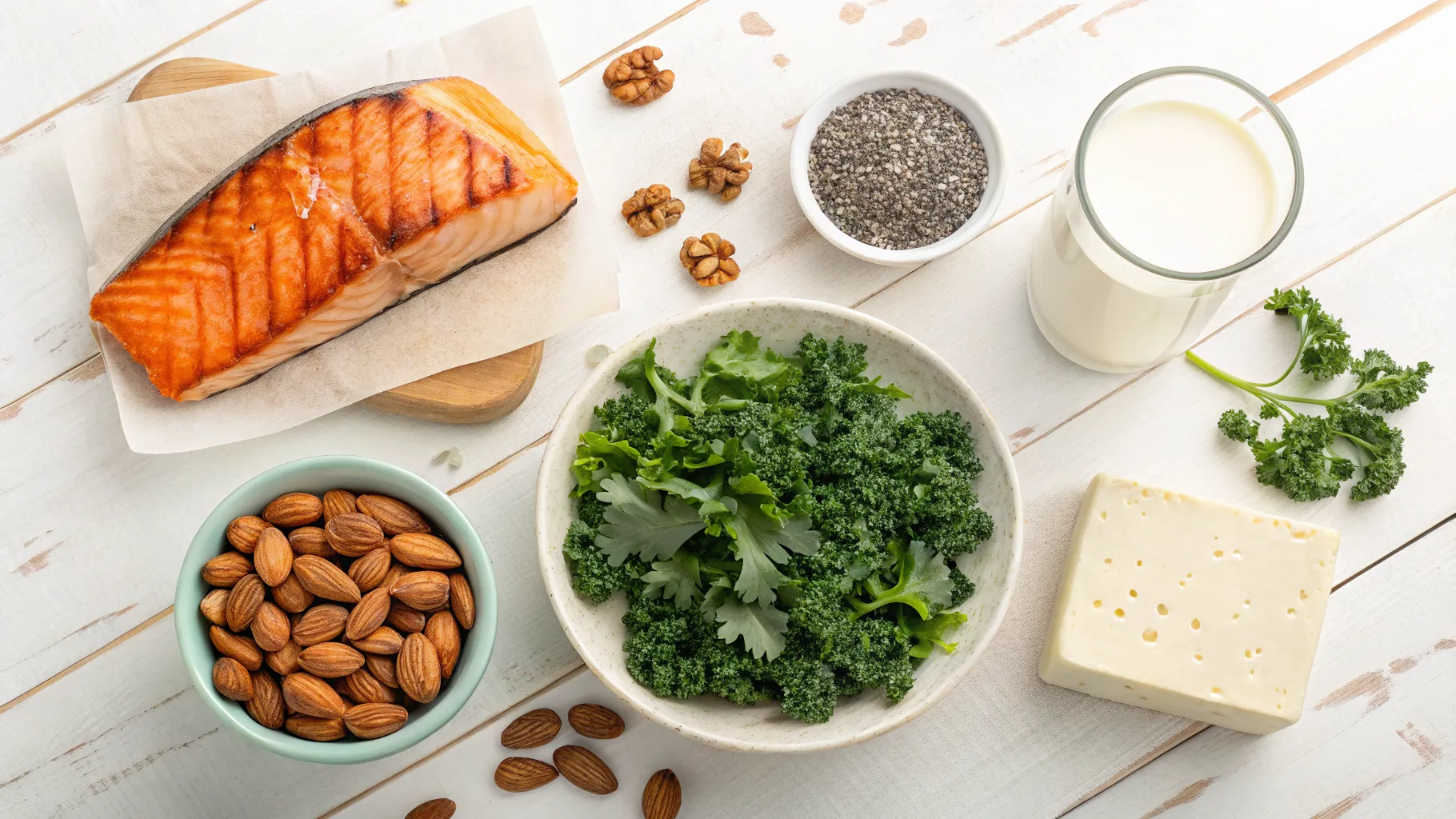
Dairy Products Like Yogurt and Milk
Dairy is a well-known source of calcium, the primary mineral found in bones. Consuming adequate calcium is crucial for building bone mass during youth and preserving it in adulthood. Products like milk, cheese, and yogurt are not only rich in calcium but also often fortified with vitamin D, which is essential for calcium absorption.
When choosing dairy, consider options that fit your dietary needs. Plain yogurt, for instance, offers a potent combination of calcium and probiotics. For those with lactose intolerance, many lactose-free milk options are available that provide the same nutritional benefits. Reading labels can help you select products that are high in calcium and fortified with vitamin D.
Dark, Leafy Greens
Beyond dairy, dark leafy vegetables are excellent plant-based sources of calcium. Greens like kale, spinach, collard greens, and bok choy contribute significantly to your daily calcium intake. They also provide Vitamin K, a nutrient that plays a key role in bone metabolism and helps bind calcium to the bone matrix.
While spinach is high in calcium, it also contains oxalates, which can interfere with calcium absorption. To maximize the benefits, it's helpful to consume a variety of leafy greens. Cooking some of these greens can also help reduce the oxalate content, making the calcium more available to your body.
Fatty Fish
Fatty fish such as salmon, mackerel, and sardines are prized for their high content of omega-3 fatty acids, but they are also one of the few natural food sources of vitamin D. This vitamin is critical for bone health because your body cannot effectively absorb calcium without it.
Including fatty fish in your diet a couple of times a week can help support your vitamin D levels. Canned salmon and sardines are convenient and affordable options that also provide a bonus of calcium, as they often include tiny, edible bones that are rich in this mineral.
Fortified Foods and Beverages
Many common foods are fortified with calcium and vitamin D to help people meet their daily requirements. This process involves adding nutrients that are not naturally present in the food. It's a simple way to boost your intake without drastically changing your diet.
Look for fortified options when shopping for foods like breakfast cereals, orange juice, and plant-based milks such as soy, almond, or oat milk. Always check the nutrition label to see the amount of added calcium and vitamin D, as it can vary significantly between brands and products.
Nuts and Seeds
Nuts and seeds offer a powerful nutritional punch for their small size. Many are good sources of calcium, but they also provide other important minerals for bone health, including magnesium and phosphorus. Magnesium helps activate vitamin D, which in turn aids calcium absorption.
Consider adding these to your diet:
- Almonds: A handful of almonds provides a good dose of calcium and magnesium.
- Chia Seeds: These tiny seeds are packed with calcium, phosphorus, and magnesium.
- Sesame Seeds: Tahini, a paste made from sesame seeds, is a great source of calcium.
Beans and Legumes
Beans and legumes are a versatile and nutrient-dense food group that supports overall health, including that of your bones. Many varieties, such as white beans, black-eyed peas, and edamame, are good sources of calcium, magnesium, and other essential nutrients.
These plant-based proteins are also rich in fiber and low in fat, making them an excellent addition to any diet. You can easily incorporate them into soups, salads, and main dishes to boost your intake of bone-supporting minerals. They offer a great alternative for those who do not consume dairy products.
Prunes
While not as commonly associated with bone health as dairy, prunes (dried plums) have gained attention for their potential benefits. Research suggests that regular consumption of prunes may help prevent bone loss, particularly in older adults.
This effect is attributed to their rich concentration of vitamins and minerals, including vitamin K and potassium. Vitamin K supports bone mineralization, while potassium helps neutralize acids in the body that can leach calcium from bones. Adding a serving of prunes to your daily routine could be a simple strategy for supporting your skeletal system.