7 Gut Friendly Foods to Stop Flare Ups: A Comprehensive Guide
Facts:
- Your gut microbiome is home to trillions of microorganisms.
- A balanced diet is the cornerstone for managing flare up diet gut health.
Understanding and Calming Your Digestive System
Experiencing a gut flare-up can be debilitating, disrupting your daily life with discomfort, bloating, and pain. The key to managing these episodes often lies within your diet. By understanding which foods soothe versus which ones trigger inflammation, you can take proactive control of your digestive health. This guide focuses on specific gut flare up foods that are known for their gentle, healing properties, providing a roadmap for those seeking relief. Incorporating these items can be a foundational step in creating a sustainable and comfortable eating plan that supports long-term well-being and reduces the frequency of painful flare-ups.
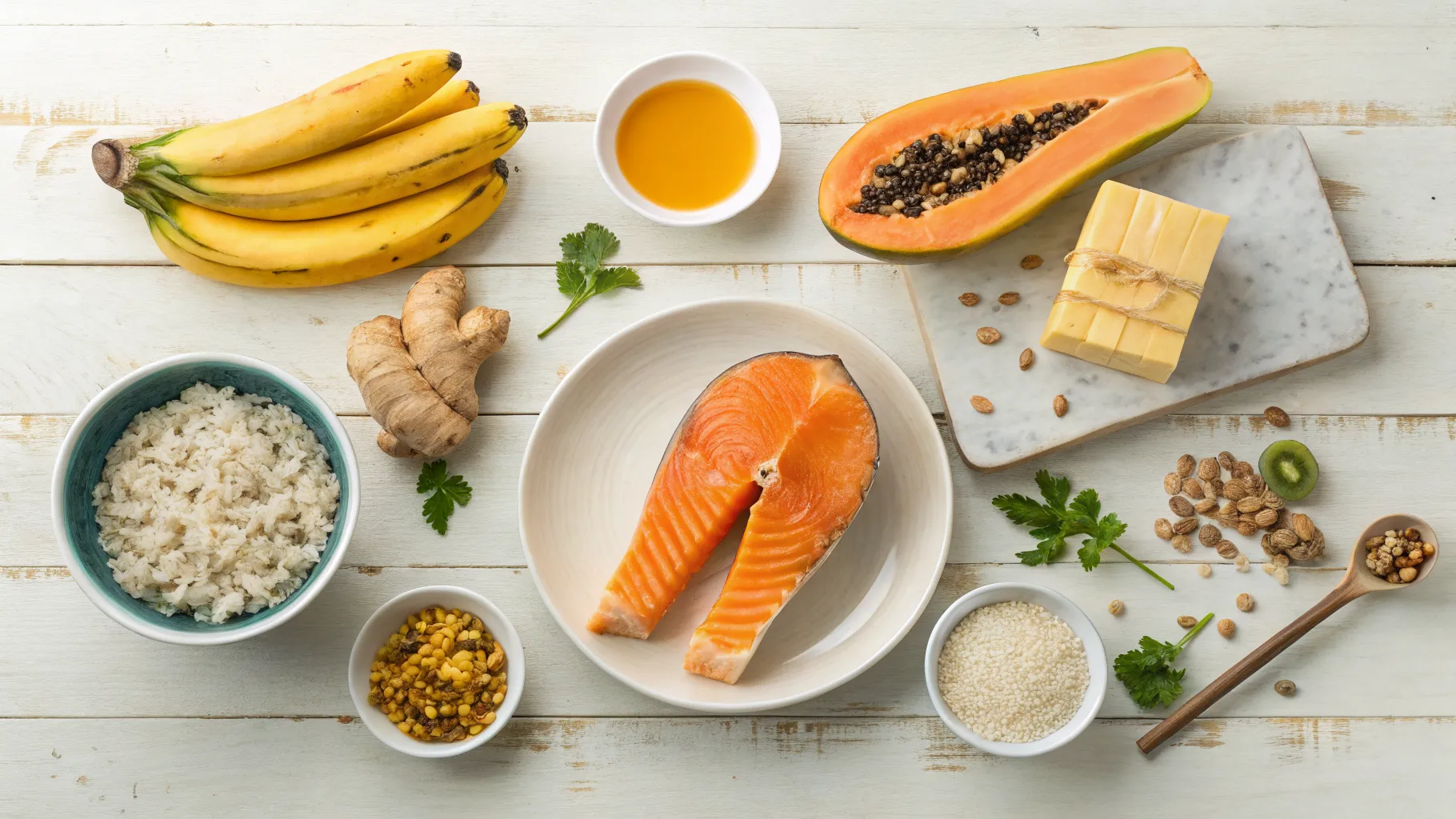
The Top 7 Gut Friendly Foods to Stop Flare Ups
When your gut is in distress, choosing the right nutrients is paramount. The following list details seven powerhouse foods that can help calm inflammation, support a healthy microbiome, and get you back on track. These are chosen for their digestibility and therapeutic properties, making them ideal choices during a flare-up.
1. Ginger
Ginger is a celebrated root with potent anti-inflammatory and anti-nausea properties. It has been used for centuries to settle upset stomachs and aid digestion. Gingerol, its main bioactive compound, helps relax the gut muscles, which can relieve cramping and bloating. It can also speed up stomach emptying, which is beneficial for those who feel overly full after eating. Incorporating ginger tea or adding fresh grated ginger to meals is an excellent strategy for managing digestive flare up foods and symptoms.
2. Bananas
Bananas are an easy-to-digest fruit that won't stress a sensitive gut. They are a great source of pectin, a type of soluble fiber that helps normalize bowel function, which is useful for both constipation and diarrhea. Furthermore, they are rich in potassium, an electrolyte often lost during bouts of digestive distress. As a low-FODMAP food, they are less likely to cause gas and bloating, making them a safe choice for a flare up diet gut health plan.
3. Plain Yogurt (with Live Cultures)
Probiotics are essential for a healthy gut, and plain, unsweetened yogurt with live and active cultures is an excellent source. These beneficial bacteria help restore balance to your gut microbiome, which can be disrupted during a flare-up. Probiotics can improve digestion, reduce inflammation, and enhance the gut's mucosal lining. When selecting a yogurt, always check the label for 'live and active cultures' and avoid those with added sugars, which can worsen inflammation.
4. Oatmeal
Oatmeal, made from rolled or steel-cut oats, is a fantastic source of soluble fiber, particularly beta-glucan. This type of fiber forms a gel-like substance in the digestive tract, which helps slow digestion, promote a feeling of fullness, and feed beneficial gut bacteria. It's a gentle food that can add bulk to stool and promote regularity without being harsh on the system. It's a cornerstone of any diet focused on gut friendly foods flare ups.
5. Bone Broth
Sipping on warm bone broth can be incredibly soothing for an inflamed gut. It's rich in collagen, gelatin, and amino acids like glutamine and glycine, which are crucial for repairing and maintaining the integrity of the intestinal lining. A strong gut lining prevents undigested food particles and toxins from leaking into the bloodstream, a condition often referred to as 'leaky gut'. This makes bone broth one of the most healing gut flare up foods available.
6. Salmon
Fatty fish like salmon are packed with omega-3 fatty acids, which are renowned for their powerful anti-inflammatory effects. Chronic inflammation is a key driver of many gut disorders and flare-ups. Including salmon in your diet two to three times a week can help lower inflammation throughout the body, including in the digestive tract. Ensure it is cooked simply—baked, steamed, or broiled—to keep it easy to digest.
7. Papaya
This tropical fruit contains a natural digestive enzyme called papain. Papain helps break down proteins in the stomach, making them easier to digest and absorb. This can alleviate symptoms like bloating and indigestion. Papaya is also a good source of fiber and vitamins A and C. For those looking for effective 7 foods to stop gut flare ups, papaya is a delicious and functional choice.
Building a Sustainable Flare-Up Prevention Diet
Simply eating these foods is a great start, but building a long-term strategy is crucial. The goal is to create a sustainable diet that minimizes the risk of future flare-ups. Pay attention to how your body reacts to different foods by keeping a food journal. This can help you identify personal triggers. Furthermore, focus on how you eat. Chewing your food thoroughly, eating smaller, more frequent meals, and avoiding eating when stressed can significantly improve your digestive health. Consistency with these gut friendly foods flare ups is key to maintaining a calm digestive system.
Actionable Lifestyle Tips for Better Gut Health
- Stay Hydrated: Water is essential for proper digestion and for helping fiber do its job. Drink plenty of water throughout the day, especially between meals.
- Manage Stress: The gut-brain axis is a powerful connection. High stress levels can directly trigger digestive symptoms. Incorporate stress-reducing activities like meditation, yoga, or deep breathing into your routine.
- Cook Simply: During a flare-up, avoid heavy spices, fats, and oils. Steaming, baking, or broiling are gentle cooking methods that make foods easier to digest and are ideal for a flare up diet gut health.
- Introduce Foods Slowly: When recovering from a flare-up or trying new foods, introduce them one at a time in small amounts. This helps you monitor your body's reaction and pinpoint any potential triggers.
Frequently Asked Questions
How quickly can I see results with these gut friendly foods flare ups?
Results can vary greatly from person to person. Some may feel relief within a day or two of adopting a gentler diet, while for others, it might take a week or more for the inflammation to subside and symptoms to improve. Consistency is the most important factor.
Are there any foods I should absolutely avoid during a flare-up?
Yes, during a flare-up, it's generally best to avoid common triggers such as spicy foods, fried or greasy foods, processed foods, excessive caffeine, alcohol, and high-sugar items. Many also find relief by avoiding dairy and gluten until symptoms subside.
Can stress cause gut flare-ups even with a good diet?
Absolutely. The gut and brain are intricately linked. High levels of stress can trigger the release of hormones that disrupt digestion, increase gut sensitivity, and alter the gut microbiome, leading to a flare-up regardless of your diet. Managing stress is a critical component of managing gut health.
References
- Journal of Gastrointestinal Health
- Nutritional Therapy in Practice
- The Role of Diet in Inflammatory Bowel Disease
- Microbiome Studies and Human Health