A Comprehensive Guide to 7-Day Italy and Croatia Cruises
Embarking on a seven-day voyage through the Adriatic Sea presents an incredible opportunity to experience the rich cultural tapestry of Southern Europe. These specialized travel cruise options seamlessly connect the romantic waterways of Italy with the rugged, historic coastlines of Croatia.
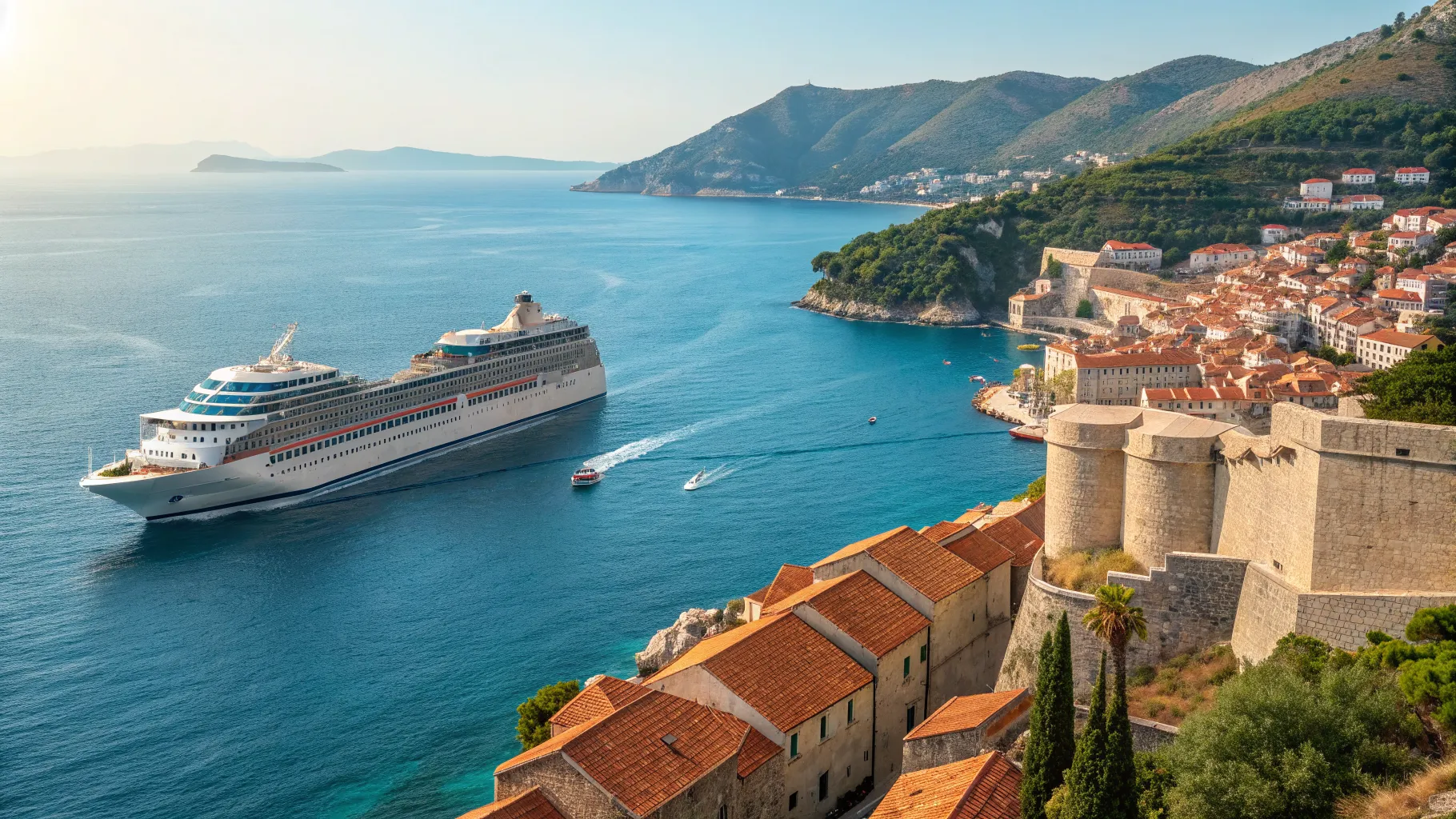
The Appeal of the Adriatic and Mediterranean Seas
The body of water separating the Italian Peninsula from the Balkan Peninsula is renowned for its calm conditions and striking blue hues. Because the distances between coastal towns are relatively short, a cruise itinerary can cover multiple distinct destinations without requiring excessive days at sea. This proximity allows passengers to wake up in a new cultural hub almost every morning.
Historically, this region served as a major maritime trade route, meaning the port cities are steeped in centuries of architectural evolution. Travelers can witness a fascinating blend of Venetian, Roman, and Byzantine influences seamlessly integrated into modern daily life, making every stop an educational experience.
Common Departure Ports and Arrival Destinations
When looking at an Italy and Croatia cruise, the journey typically begins in a major Italian transportation hub. Ports such as Trieste, Venice, or occasionally Bari serve as popular embarkation points. These cities offer robust airport connections and ample lodging options for those arriving a day or two early.
Depending on the cruise line, the voyage might be a round trip that begins and ends in the same Italian city, or a one-way journey that concludes in a major Croatian port like Dubrovnik. Some larger vessels even extend their routes slightly south, finishing the journey in ports closer to Athens, though a strict seven-day timeline usually favors a round-trip Adriatic loop.
Highlights of Italian Coastal Cities
The Italian portion of the itinerary focuses heavily on the eastern coastline, which offers a distinctly different atmosphere compared to the western Amalfi Coast. These stops often emphasize massive medieval castles, historic fishing districts, and deep-rooted culinary traditions.
- Bari: Known for its vibrant old town and the stunning Basilica of San Nicola.
- Trieste: A city that showcases a strong Austro-Hungarian architectural influence and features expansive waterfront squares.
- Ravenna: Famous worldwide for its incredibly preserved early Christian and Byzantine mosaics.
Exploring Croatian Ports of Call
Croatia has become a premier destination for maritime travelers, largely due to its pristine coastline and fortified stone cities. Dubrovnik is perhaps the most famous stop on any of the popular Italy and Croatia cruises. Often referred to as the Pearl of the Adriatic, its massive defensive walls and limestone-paved streets offer endless opportunities for historical exploration.
Further north along the Dalmatian coast, cities like Split and Zadar provide equally compelling experiences. Split is uniquely built in and around the ruins of Diocletian Palace, a massive Roman fortress. Zadar is celebrated for its modern art installations, such as the Sea Organ, which uses the motion of the waves to create continuous musical chords.
Onboard Experiences and Dining Options
Modern ships navigating the Adriatic route range from massive resort-style vessels to intimate luxury yachts. Regardless of the ship size, the onboard experience often reflects the Mediterranean setting. Entertainment frequently includes lectures on local history, regional wine tastings, and music inspired by the ports of call.
Dining on a cruise guide recommended ship generally highlights the fresh, local ingredients of the Mediterranean diet. Passengers can expect menus featuring regional seafood, artisanal pastas, and a wide variety of olive oils and cheeses sourced directly from Italian and Croatian markets. This culinary immersion ensures that the cultural education continues even while sailing between ports.
Shore Excursions and Independent Exploration
Navigating these ancient cities can be done through organized cruise excursions or independent sightseeing. Guided tours are highly beneficial for locations with deep historical contexts, such as the ancient Roman ruins in Split or the mosaic sites in Ravenna. Professional guides provide valuable insights that are difficult to glean from a guidebook alone.
However, many of these coastal towns are incredibly pedestrian-friendly, making them ideal for independent exploration. Travelers can easily disembark and spend the day walking the city walls, stopping at local cafes, and browsing artisanal shops. It is important to note the ship departure times carefully, as local transportation schedules can occasionally be unpredictable.
Best Times of Year to Sail This Route
The Mediterranean cruise season typically runs from late spring to early autumn, with the weather playing a significant role in the overall experience. Choosing the right month depends entirely on personal preferences regarding climate and crowd sizes.
- Summer: Offers the warmest weather for swimming and sunbathing, but also brings peak tourist crowds and higher temperatures.
- Spring: Features mild, comfortable weather ideal for walking tours, alongside vibrant spring flora and fewer crowds.
- Autumn: Provides excellent conditions with still-warm sea temperatures, comfortable sightseeing weather, and a more relaxed atmosphere as the peak tourist season winds down.