7 Common Signs Your Dog Is Getting Older
Watching a beloved dog transition from a playful puppy to a dignified senior is a natural part of their life cycle. This process happens gradually, and the signs can be subtle at first. Understanding these changes is the first step in adapting their care routine to ensure they remain comfortable, healthy, and happy throughout their golden years. Just like humans, senior dogs have different needs when it comes to diet, exercise, and medical attention.
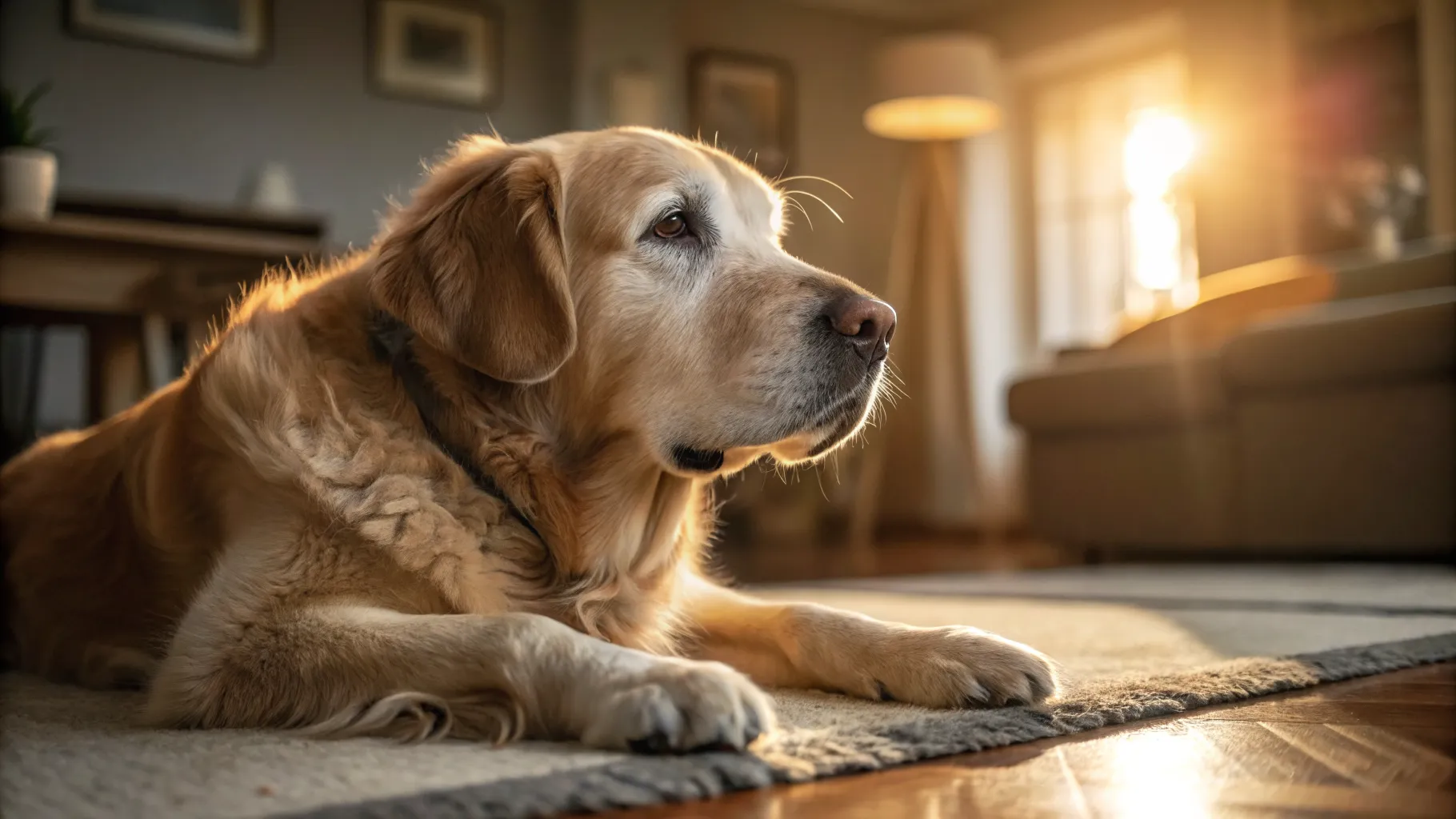
1. Decreased Mobility and Stiffness
One of the most common signs of aging in dogs is a change in their physical activity. You might notice your dog is slower to get up from a nap, hesitant to jump on the couch, or less enthusiastic about long walks or games of fetch. This is often due to age-related joint issues, such as arthritis, which can cause stiffness and discomfort.
Pay attention to how your dog navigates stairs or gets in and out of the car. Limping, favoring a limb, or yelping when touched in certain areas are also indicators of potential pain. While a decrease in energy is normal, significant mobility challenges warrant a discussion with a veterinarian to manage their comfort.
2. Changes in Vision and Hearing
A decline in sensory perception is a frequent part of the aging process. You may observe your dog's eyes appearing cloudy or bluish. This condition, known as nuclear sclerosis, is a normal hardening of the lens and typically doesn't impair vision significantly. However, a denser, white appearance could signal cataracts, which can lead to blindness.
Hearing loss is also common. Your dog might not respond to their name as quickly, seem startled when you approach, or fail to react to familiar sounds like the doorbell. These changes happen over time, and many dogs adapt well by relying more on their other senses, like smell.
3. Dental Problems and Oral Health
Oral health often deteriorates with age if not properly maintained. The most obvious sign is persistent bad breath, which is often dismissed as 'doggy breath' but can indicate underlying dental disease. Other symptoms include yellow or brown tartar buildup on the teeth, red or swollen gums, and difficulty chewing hard food.
Your dog might drop food from their mouth, chew on only one side, or show a decreased appetite if eating becomes painful. Regular dental check-ups become increasingly important for senior dogs to prevent pain, infection, and potential tooth loss.
4. Weight and Body Composition Changes
An aging dog's metabolism slows down, and their activity levels typically decrease, making them more prone to weight gain. Obesity can put extra strain on their joints and vital organs, so it's important to adjust their diet accordingly. Many commercial dog foods are formulated specifically for seniors with fewer calories and different nutrient profiles.
Conversely, some senior dogs may experience weight loss. This can be a result of muscle atrophy, a natural loss of muscle mass in old age. However, unexplained weight loss can also be a symptom of more serious health issues, such as kidney disease or metabolic disorders, so it's always wise to consult a professional.
5. Skin and Coat Alterations
Just as humans get gray hair, many dogs develop a graying coat, especially around the muzzle and eyes. Their fur may also become thinner, duller, or more coarse than it was in their younger years. Dry, flaky skin can become a problem, leading to itchiness and discomfort.
It is also common for older dogs to develop various lumps and bumps on their skin. While many of these are benign fatty tumors called lipomas, any new growth should be examined by a veterinarian to rule out anything more serious. Regular grooming can help you keep track of any changes to your dog's skin and coat.
6. Behavioral and Cognitive Shifts
Cognitive changes, sometimes referred to as canine cognitive dysfunction, can affect older dogs. Symptoms may resemble those of dementia in humans. You might notice your dog seems disoriented or confused, even in familiar surroundings. They may stare blankly at walls, get stuck in corners, or forget learned commands.
Other behavioral shifts can include increased anxiety, especially separation anxiety, changes in sleep patterns (like being restless at night and sleeping more during the day), and a decreased interest in social interaction with people or other pets. They might also become more vocal, barking or whining for no apparent reason.
7. Changes in Bathroom Habits
Urinary or fecal incontinence can become an issue for senior dogs. You may find your previously house-trained dog starting to have accidents indoors. This can be due to a weakening of the muscles that control the bladder and bowels, or it could be a sign of underlying medical conditions like a urinary tract infection or kidney problems.
You might also notice your dog needs to go outside more frequently. An increased thirst and subsequent need to urinate are important symptoms to report to your veterinarian, as they can be linked to several age-related health concerns. Monitoring these habits is a key part of caring for an aging companion.