6 Common Symptoms of Mitral Regurgitation
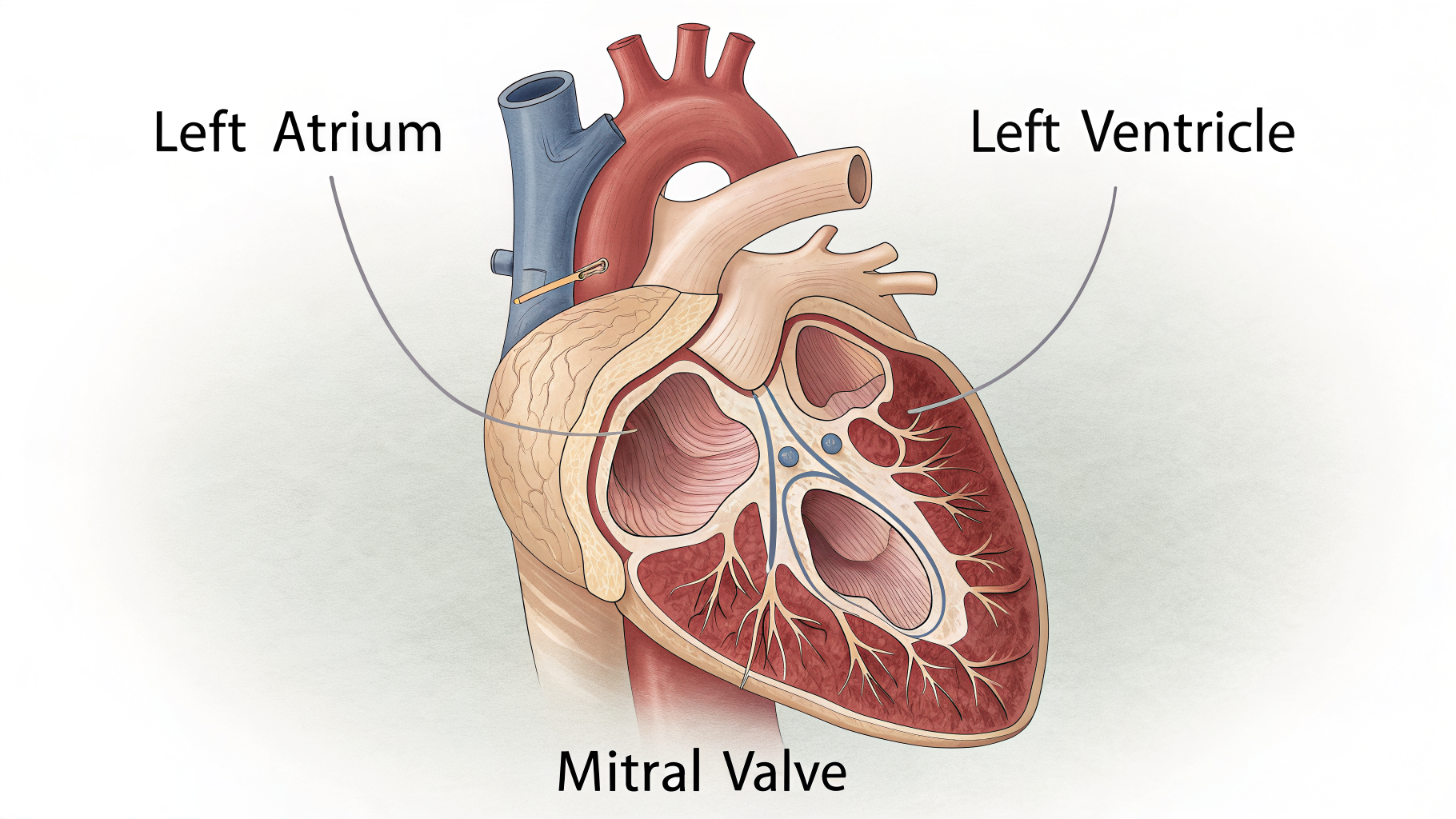
Mitral regurgitation occurs when the mitral valve, located between the left atrium and left ventricle of the heart, fails to close tightly. This allows blood to leak backward into the left atrium with each heartbeat. While mild cases may not produce noticeable symptoms for years, moderate to severe regurgitation can strain the heart and lead to a variety of signs that shouldn't be ignored. Understanding these symptoms is the first step in seeking a proper diagnosis and care from a healthcare professional.
1. Shortness of Breath (Dyspnea)
One of the most prevalent symptoms of mitral regurgitation is shortness of breath, medically known as dyspnea. This sensation can occur during physical activity, while under stress, or even when lying flat. When the mitral valve leaks, blood backs up into the blood vessels of the lungs, a condition called pulmonary congestion. This increased pressure in the lungs makes it difficult for them to exchange oxygen effectively, leading to the feeling of being out of breath.
In the early stages, you might only notice this breathlessness during strenuous exercise. As the condition progresses, it can happen with minimal exertion, such as walking up a flight of stairs or carrying groceries. Some people also experience it when trying to sleep, a condition called orthopnea, and may need to prop themselves up with pillows to breathe comfortably.
2. Fatigue and Weakness
Persistent fatigue is another key indicator of significant mitral regurgitation. The heart has to work much harder than normal to compensate for the backward leak of blood and to pump enough oxygen-rich blood to the rest of the body. This extra workload can be exhausting for the heart muscle and the body as a whole, leading to a constant feeling of tiredness that isn't relieved by rest.
This weakness can impact daily activities, making tasks that were once easy feel challenging. The reduced forward blood flow means that muscles and organs are not receiving the optimal amount of oxygen and nutrients they need to function efficiently. This can result in a general sense of lethargy and a decreased capacity for physical activity.
3. A Noticeable Heart Murmur
While not a symptom you can feel yourself, a heart murmur is a primary sign that a healthcare provider will detect during a physical examination. A heart murmur is an unusual sound, often described as a 'whooshing' or 'swishing' noise, heard between heartbeats when listening with a stethoscope. This sound is created by the turbulent, backward flow of blood through the leaky mitral valve.
The presence of a murmur is what often leads to further investigation and diagnosis of a valve problem. While not all heart murmurs are indicative of a serious condition, one associated with mitral regurgitation points directly to the structural issue with the valve. A doctor will assess the murmur's timing, loudness, and location to help determine the severity of the leak.
4. Heart Palpitations
Heart palpitations are sensations that feel like your heart is pounding, fluttering, racing, or skipping a beat. In the context of mitral regurgitation, these feelings can be unsettling. The backward flow of blood causes the left atrium to enlarge over time. This stretching of the heart's upper chamber can disrupt the heart's normal electrical pathways, leading to irregular heart rhythms.
A common arrhythmia associated with mitral regurgitation is atrial fibrillation (AFib), where the heart's upper chambers beat chaotically and irregularly. This can cause the sensation of a rapid or fluttering heartbeat. While palpitations can be harmless, in this situation, they are a sign that the heart is being strained by the leaky valve and should be evaluated by a medical professional.
5. Swelling in the Legs, Ankles, or Feet
Swelling, known as edema, in the lower extremities is a symptom that typically appears in more advanced stages of mitral regurgitation. As the heart struggles to pump blood effectively, pressure can build up in the circulatory system. This can eventually affect the right side of the heart, causing fluid to accumulate in various parts of the body.
Due to gravity, this fluid buildup is most noticeable in the legs, ankles, and feet. You might notice that your shoes feel tighter than usual or see indentations left on your skin after pressing on the swollen area. Swelling can also occur in the abdomen, a condition called ascites, although this is less common. This fluid retention is a sign that the heart is having significant trouble managing its workload.
6. Lightheadedness or Fainting
Feeling dizzy, lightheaded, or even fainting (syncope) can be a concerning symptom of mitral regurgitation. These symptoms occur when the heart is unable to pump a sufficient amount of oxygenated blood to the brain. The backward leak through the mitral valve reduces the volume of blood being pushed forward to the body with each beat.
This reduction in cardiac output can become particularly noticeable during physical activity or when changing positions quickly, such as standing up from a seated or lying position. The brain is very sensitive to changes in blood flow, and even a temporary drop can lead to these neurological symptoms. It is a sign that the valve leakage may be severe enough to compromise overall circulation.