6 Foods to Prevent Dementia and Enhance Brain Health
6 Foods to Prevent Dementia and Boost Brain Health
Dementia is becoming increasingly common, affecting millions of individuals worldwide, and its prevalence is expected to rise significantly in the coming years. With this alarming trend, many people are looking for ways to protect brain health and reduce the risk of dementia through diet. Recent studies highlight a strong connection between nutrition and cognitive decline, making it more critical than ever to be aware of the best dietary choices. In this article, we’ll explore six foods that have been linked to dementia prevention, providing you with practical tips to incorporate them into your daily routine.
Understanding the Link Between Diet and Dementia Risk Factors
A growing body of research suggests that certain dietary habits can either diminish or elevate the risk of developing dementia. According to a study published just last month, approximately 35% of dementia cases could potentially be prevented with lifestyle changes, including dietary adjustments. Key nutrients found in food can affect brain health by reducing inflammation and oxidative stress, which are major contributors to cognitive decline.Moreover, the aging population in 2025 is prompting more researchers to investigate how specific foods can fortify brain health. This shift underscores the importance of learning about foods that contribute positively to cognitive longevity.
1. Blueberries: The Brain's Superfood
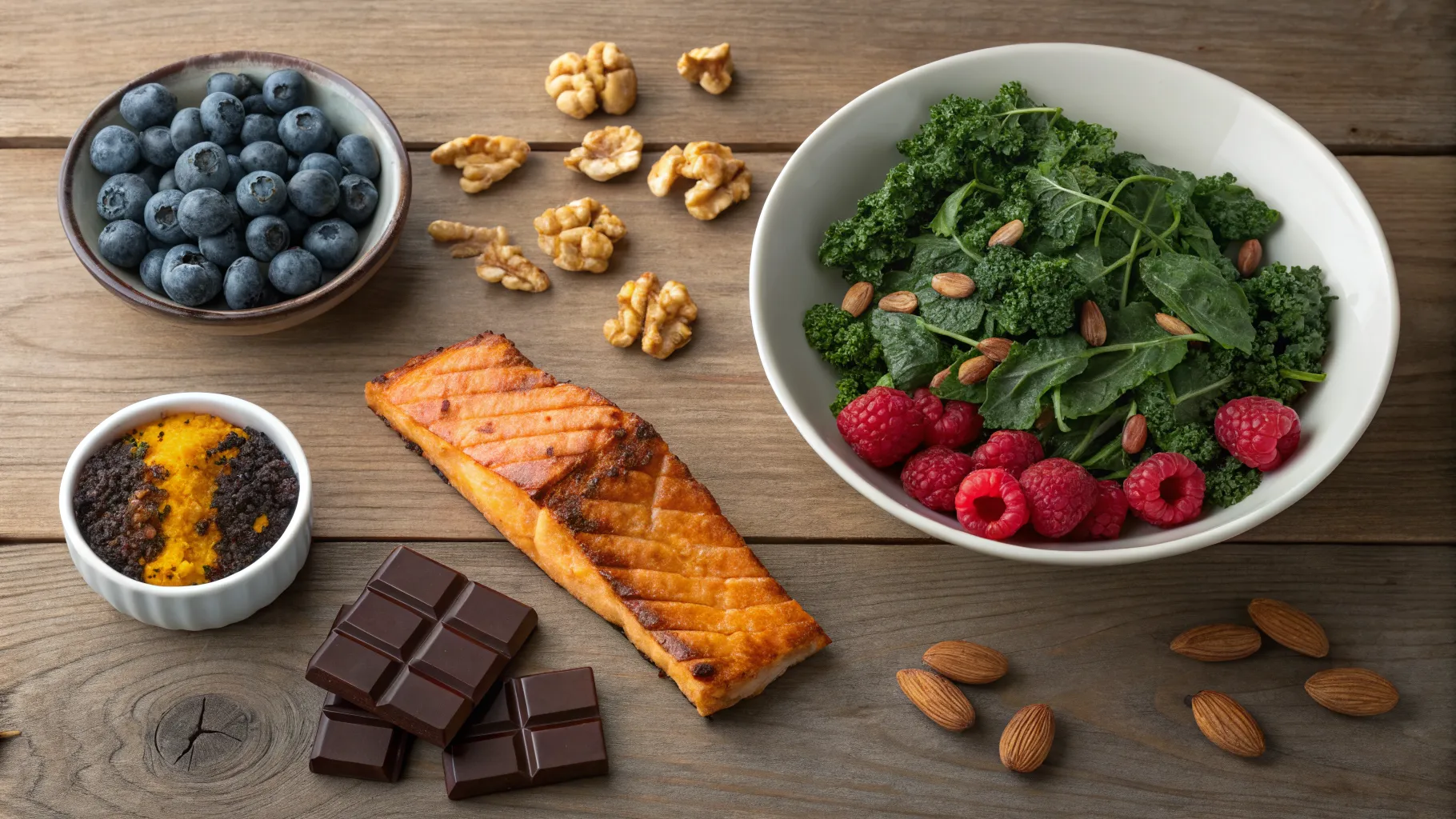
Blueberries are often touted as one of the top foods for brain health. They are rich in antioxidants, particularly flavonoids, which have been shown to enhance memory and cognitive function. A study from earlier this year revealed that older adults who consumed blueberries regularly had a 20% lower risk of developing dementia compared to those who did not include this berry in their diets.
- How to Enjoy: Toss blueberries into your morning oatmeal, blend them in smoothies, or enjoy them as a snack.
2. Fatty Fish: Omega-3 Powerhouses
Fatty fish such as salmon, mackerel, and sardines are rich in omega-3 fatty acids, which are crucial for healthy brain function. Recent analyses show that omega-3s can significantly reduce the risk of developing Alzheimer's disease by about 35%. These healthy fats help build brain cell membranes and promote neurogenesis—the formation of new neurons.
- How to Enjoy: Grill or bake your favorite fatty fish and serve with vegetables for a filling dinner or add canned sardines to salads for a quick meal.
3. Leafy Greens: Nature's Brain Food
Leafy greens like spinach, kale, and broccoli are packed with vitamins and minerals essential for cognitive health, including vitamins K, E, and C. Studies from just this past six months indicate that individuals who consume a diet high in leafy greens experience cognitive decline significantly slower than those who do not. Specifically, regular consumption of these vegetables has been linked to a 28% reduced risk of cognitive impairment.
- How to Enjoy: Incorporate greens into salads, smoothies, or sauté them as a side dish with your main course.
4. Nuts: Snack Smart for Brain Power
Nuts, particularly walnuts, are an excellent source of healthy fats and antioxidants that are beneficial for brain health. Research has shown that people who consume nuts at least five days a week are 60% less likely to develop dementia. Walnuts, in particular, are high in DHA, a type of omega-3 fatty acid that plays a significant role in brain health.
- How to Enjoy: Snack on a handful of mixed nuts or add walnuts to your breakfast cereal for an easy addition to your diet.
5. Turmeric: A Spicy Anti-inflammatory
This vibrant yellow spice contains curcumin, which has been found to possess anti-inflammatory properties. Recent studies have highlighted that curcumin can help clear amyloid plaques in the brain—a hallmark of Alzheimer's disease—thus potentially reducing the risk of developing dementia. Adding turmeric to your diet might not only spice up your meals but also serve as a preventive measure for cognitive decline.
- How to Enjoy: Sprinkle turmeric into soups, smoothies, or use it to season roasted vegetables.
6. Whole Grains: Fiber-Rich Support
Whole grains like oats, quinoa, and brown rice provide essential nutrients and fiber that contribute to overall health. Recent data indicates that a high-fiber diet can help regulate blood sugar levels, reducing the risk of type 2 diabetes—a key risk factor for dementia. A well-balanced diet including whole grains can also help improve heart health, further supporting brain function.
- How to Enjoy: Start your day with oatmeal, or incorporate brown rice into your lunch and dinner meals.
Incorporating these six foods into your daily diet can significantly impact your brain health awareness. It’s not just about what you eat, but also about understanding the role that nutrition plays in dementia risk factors. By making conscious dietary choices, we can all take proactive steps toward maintaining brain health. Remember that while diet is important, it is just one aspect of a comprehensive approach to dementia prevention. Regular exercise, mental stimulation, and social engagement are also crucial for keeping our minds sharp as we age.
Embrace these nourishing options and make them a part of your lifestyle. Your brain will thank you for it!