6 Foods to Prevent Dementia for Better Brain Health
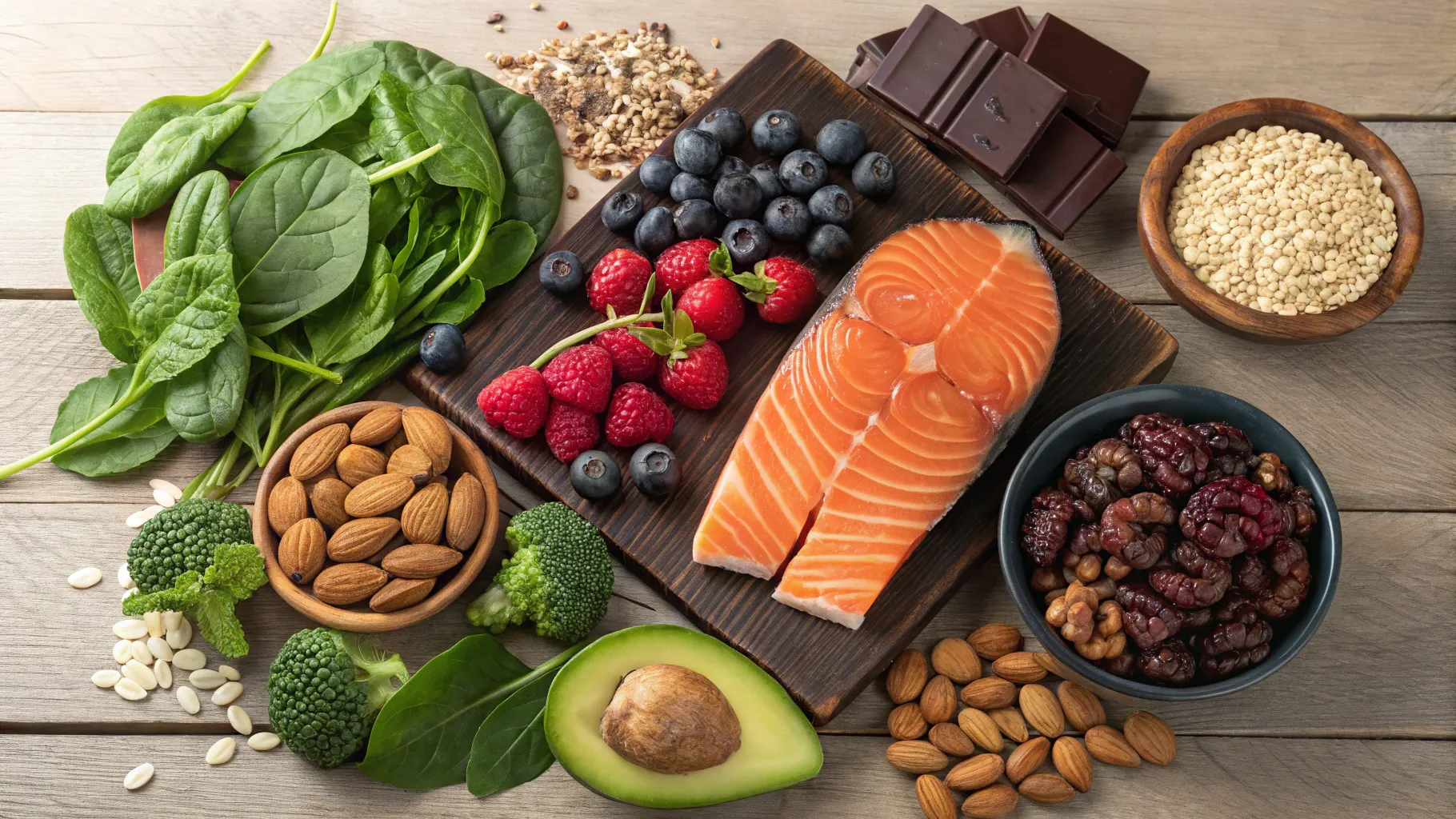
6 Foods to Prevent Dementia: Nourish Your Brain for a Healthier Future
Dementia is a growing concern globally, affecting millions of individuals and their families. As we continue to navigate the complexities of this condition, the connection between diet and brain health has gained increasing attention. In 2025, we understand more than ever how certain foods can play a pivotal role in preventing dementia and promoting cognitive function. Below, we explore 6 foods to prevent dementia and how incorporating them into your diet can make a significant difference.
1. Fatty Fish: The Omega-3 Miracle
Fatty fish such as salmon, mackerel, and sardines are rich in omega-3 fatty acids, which are essential for brain health. Recent studies indicate that these healthy fats may reduce the risk of dementia significantly. For example, a 2025 study published in the Journal of Neurology revealed that individuals who consumed fatty fish at least two times a week exhibited a 25% decrease in dementia risk compared to those who rarely included omega-3s in their diet.
Furthermore, omega-3 fatty acids aid in building brain and nerve cells and have been shown to improve mood and cognitive functions, making fatty fish a powerhouse food. Aim to incorporate fatty fish into your meals at least twice a week, whether baked, grilled, or in a savory stew.
2. Berries: Your Antioxidant Ally
Berries, particularly blueberries, blackberries, and strawberries, are packed with antioxidants that combat oxidative stress and inflammation in the brain. Research conducted in early 2025 highlighted that berries can enhance communication between brain cells and improve memory function. In fact, a recent study involving over 600 participants showed that regular berry consumption was linked to a 20% slower rate of cognitive decline.
These vibrant fruits are versatile; whether added to smoothies, yogurt, or salads, their sweet flavor and health benefits make them an easily enjoyable addition to daily diets. In addition to assisting in memory function, berries are also known for their role in overall heart health, thereby benefiting your brain's blood supply.
3. Leafy Greens: Nutrient-Dense Powerhouses
Leafy greens like spinach, kale, and broccoli are essential components of a brain-healthy diet. They are high in vitamins E and K, which are believed to offer protective benefits against cognitive decline. An insightful 2025 study indicated that individuals who consumed one serving of leafy greens per day witnessed slower rates of mental decline than their peers who consumed less than that.
Incorporating leafy greens into your meals can be easy—consider adding them to smoothies, salads, or soups; the options are varied and fulfilling. Their nutrient profile not only benefits brain health but also aids in maintaining overall physical wellness.
4. Nuts and Seeds: Small but Mighty
Nuts and seeds, particularly walnuts, almonds, and flaxseeds, are excellent sources of healthy fats, vitamins, and minerals that promote brain health. A ground-breaking study published in 2025 found that daily nut consumption is linked to a 30% lower risk of developing cognitive impairment. Walnuts, in particular, have high levels of DHA, a type of omega-3 fatty acid that is essential for brain function.
For a quick snack, try a handful of mixed nuts or sprinkle seeds on your meals for added texture and flavor. These nutrition-dense powerhouses can keep you feeling full and energized while providing essential nutrients for your brain's health.
5. Whole Grains: Fuel for Your Brain
Whole grains such as oats, brown rice, and quinoa provide essential nutrients like fiber, B vitamins, and magnesium. These elements are crucial for brain health and function. In 2025, extensive research confirmed that a diet rich in whole grains supports better cognitive function and lowers the risk of dementia. Whole grains help maintain stable blood sugar levels, which is vital for a healthy brain.
They can be used in countless recipes—think hearty breakfast bowls, savory side dishes, or even as a base for salads. Opting for whole grains over refined grains is a simple switch that can contribute significantly to long-term brain health.
6. Dark Chocolate: A Delicious Treat for the Brain
Surprisingly, dark chocolate can be part of a brain-healthy diet! Rich in antioxidants and flavonoids, dark chocolate has been shown to improve blood flow to the brain and enhance cognitive function. In January 2025, a study found that participants who consumed dark chocolate with at least 70% cocoa content experienced improved memory function and reduced cognitive decline.
While it's best consumed in moderation due to its sugar and calorie content, dark chocolate can serve as a delightful treat or addition to meals. Whether enjoyed as a square after dinner or melted into a warm drink, dark chocolate can satisfy your sweet tooth while nurturing your brain.
Understanding Dementia and Diet
As we explore these foods linked to dementia risk, it becomes clear that nutrition plays a foundational role in brain health. Recent studies emphasize a holistic approach that includes a balanced diet rich in fruits, vegetables, whole grains, and healthy fats. It's crucial to remember that while diet is a significant factor, other lifestyle elements, such as regular exercise, cognitive training, and stress management, also contribute to reducing dementia risk.
As we move forward in 2025, creating awareness about foods for brain health is vital. Making conscious dietary choices is a great way to invest in your cognitive future, and it doesn’t have to be complicated. Start small, incorporate these brain-boosting foods into your diet, and enjoy the long-term benefits for your mind and body.
Ultimately, the synergy of a diet rich in brain-healthy foods, combined with other healthy lifestyle choices, provides the best defense against dementia and cognitive decline. Let's prioritize our health and nourish our brains one meal at a time, setting the foundation for a vibrant, mindful future.