6 Foods to Prevent Dementia: A Guide to a Brain Health Prevention Diet
Facts:
- Certain diets can reduce dementia risk by over 50%.
- The global trend towards a brain health prevention diet is growing rapidly.
Nourishing Your Mind: The Foundation of Dementia Prevention
As concerns about cognitive decline grow, understanding the powerful role of nutrition has become paramount. A well-structured dementia prevention diet is not about a single miracle ingredient but a sustained commitment to incorporating specific, nutrient-rich foods into your daily routine. These 6 prevent dementia foods are packed with antioxidants, healthy fats, vitamins, and minerals that combat cellular stress, reduce inflammation, and support neural pathways. Adopting these dietary habits can be a proactive and empowering step toward safeguarding your cognitive future, focusing on powerful foods for brain protection that are both delicious and effective. This approach is central to the concept of using anti dementia foods to build a resilient mind.
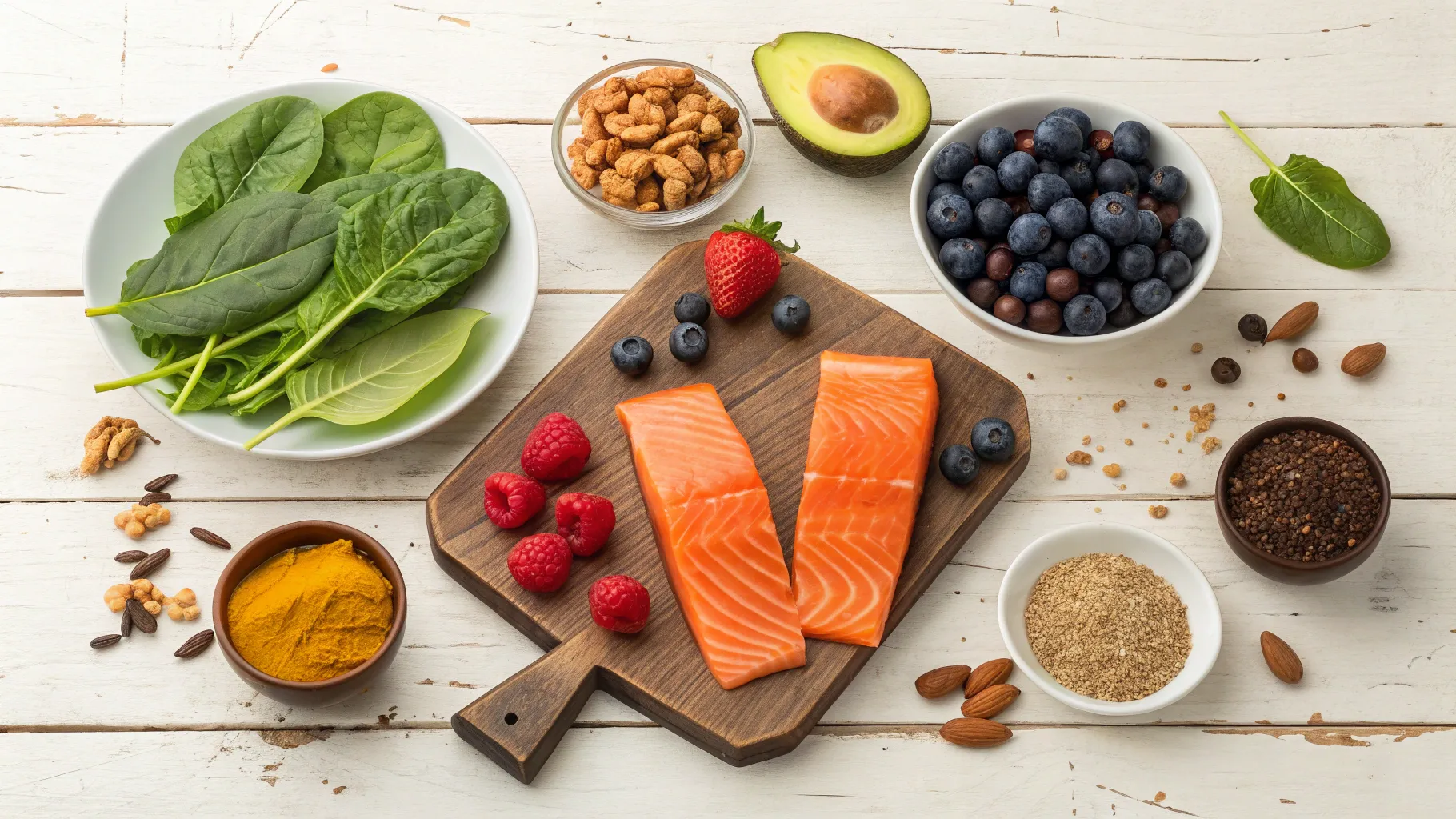
The 6 Essential Foods for Brain Protection
Integrating the following six food groups into your regular meals can form the cornerstone of an effective brain health prevention diet. Each offers unique benefits that collectively work to protect your brain from age-related decline and dementia. Focusing on these 6 prevent dementia foods provides a clear roadmap for anyone looking to improve their cognitive longevity.
1. Leafy Green Vegetables
Kale, spinach, collards, and broccoli are rich in brain-healthy nutrients like vitamin K, lutein, folate, and beta carotene. Research suggests these plant-based foods may help slow cognitive decline. Including at least one serving per day is a key component of any serious dementia prevention diet. These vegetables help reduce oxidative stress and inflammation, two key factors in the development of neurodegenerative diseases. Their high fiber content also supports a healthy gut microbiome, which is increasingly linked to brain health.
2. Fatty Fish
Fatty fish are abundant sources of omega-3 fatty acids, a major building block of the brain. Omega-3s, particularly DHA, are crucial for memory and cognitive function. Aim for at least two servings of fish like salmon, cod, canned light tuna, and pollack per week. For those who do not eat fish, plant-based omega-3 sources or supplements can be considered. These healthy fats are essential foods for brain protection because they help build membranes around brain cells, improving the structure of neurons.
3. Berries
Flavonoids, the natural plant pigments that give berries their brilliant hues, also help improve memory. A study by researchers at Harvard's Brigham and Women's Hospital found that women who consumed two or more servings of strawberries and blueberries each week delayed memory decline by up to two-and-a-half years. Berries are powerhouse anti dementia foods, fighting off damage from free radicals and reducing inflammation in the brain, making them a delicious part of any brain-boosting diet.
4. Nuts and Seeds
Nuts are excellent sources of protein and healthy fats, and certain types like walnuts are also high in a type of omega-3 fatty acid called alpha-linolenic acid (ALA). A diet high in nuts and seeds has been linked to better brain function in older age. They contain high concentrations of vitamin E, an antioxidant that protects cells from oxidative stress, a process that can contribute to cognitive decline. Incorporating a handful of mixed nuts and seeds daily is a simple strategy within a brain health prevention diet.
5. Turmeric (Curcumin)
Curcumin is the main active compound in turmeric, a spice renowned for its anti-inflammatory properties. This powerful compound can cross the blood-brain barrier, directly benefiting brain cells. It's a potent antioxidant and has been shown to help clear the amyloid plaques that are a hallmark of Alzheimer's disease. Adding turmeric to curries, soups, or even lattes can be a simple way to include these powerful anti dementia foods into your diet.
6. Dark Chocolate and Cocoa
Good news for chocolate lovers! Dark chocolate and cocoa powder are packed with flavonoids, which are plant-based compounds with antioxidant and anti-inflammatory properties. These compounds can help lower blood pressure and improve blood flow to both the brain and heart. For the best benefits, choose dark chocolate with at least 70% cocoa content and consume it in moderation as part of a balanced dementia prevention diet. It's a treat that genuinely serves as one of the key foods for brain protection.
Implementing a Dementia Prevention Diet: Actionable Steps
Adopting a new way of eating can feel overwhelming, but small, consistent changes can lead to significant long-term benefits. Here are practical steps to integrate these 6 prevent dementia foods into your lifestyle.
- Start with One Meal: Focus on making one meal a day—like breakfast—fully compliant with the brain health prevention diet. This could be oatmeal with berries and walnuts.
- Plan Your Shopping: Create a grocery list centered around these brain-healthy foods. Always have leafy greens, berries (fresh or frozen), nuts, and a source of omega-3s on hand.
- Batch Cook: Prepare large batches of grains, roasted vegetables, and lean proteins at the beginning of the week to make assembling healthy meals easier and faster.
- Hydrate Smartly: Water is crucial for brain function. Replace sugary drinks with water, herbal teas, or green tea, which also contains brain-protective compounds.
- Be Mindful of Seasoning: Use herbs and spices like turmeric freely to enhance flavor without relying on excess salt, which can impact blood pressure and cardiovascular health.
Comparing Dietary Approaches for Cognitive Health
While focusing on these six food groups is a great start, they are often part of broader dietary patterns studied for their brain benefits, such as the MIND diet and the Mediterranean diet. The MIND diet, in particular, was designed specifically to support brain health and emphasizes the consumption of the 6 prevent dementia foods mentioned above while limiting red meat, cheese, butter, and sweets. Both diets prioritize whole, unprocessed foods and are linked to a significantly lower risk of developing dementia. The key takeaway is consistency; a long-term commitment to a pattern of healthy eating, rather than short-term dieting, offers the most significant foods for brain protection and overall cognitive resilience.
Frequently Asked Questions
What is the single most important food for a dementia prevention diet?
There is no single 'magic' food. The effectiveness of a dementia prevention diet comes from the synergistic effect of various nutrient-dense foods working together. However, if one had to be chosen, leafy green vegetables are often cited due to their high concentration of essential brain-protective nutrients.
How soon can I see benefits from a brain health prevention diet?
While some benefits like improved focus and energy may be noticeable within weeks, the primary goal of these anti dementia foods is long-term prevention. The neuroprotective effects accumulate over years of consistent healthy eating, significantly lowering your risk of cognitive decline later in life.
Are supplements as effective as whole foods for brain protection?
Whole foods are generally considered superior because they contain a complex matrix of vitamins, minerals, fiber, and other bioactive compounds that work together. While supplements can be useful for filling specific nutritional gaps (like Vitamin D or Omega-3 for non-fish eaters), they cannot replicate the comprehensive benefits of a diet rich in foods for brain protection.
References
- Morris MC, et al. (2015). MIND diet associated with reduced incidence of Alzheimer's disease.
- Devore EE, et al. (2012). Dietary intakes of berries and flavonoids in relation to cognitive decline.
- Gómez-Pinilla F. (2008). Brain foods: the effects of nutrients on brain function.
- Shukla A, et al. (2021). The Role of Diet and Nutrition in Alzheimer's Disease.