Protect Your Brain: 6 Essential Foods to Prevent Dementia
Fast Facts:
- Brain Protection: Certain foods contain nutrients that fight cognitive decline.
- Growing Concern: With an aging global population, interest in dietary strategies for brain health is at an all-time high.
Nourishing Your Neurons: The Ultimate Dementia Prevention Diet
As we seek ways to safeguard our cognitive health for the long term, the link between diet and brain function has become a crucial area of focus. Adopting a dementia prevention diet isn't about restrictive eating; it's about strategically incorporating powerful, nutrient-rich foods that protect our brain cells from damage and support memory and cognitive processes. This guide explores the foundational foods that can form a powerful defense against neurodegenerative conditions, offering a delicious and proactive approach to lifelong mental vitality.
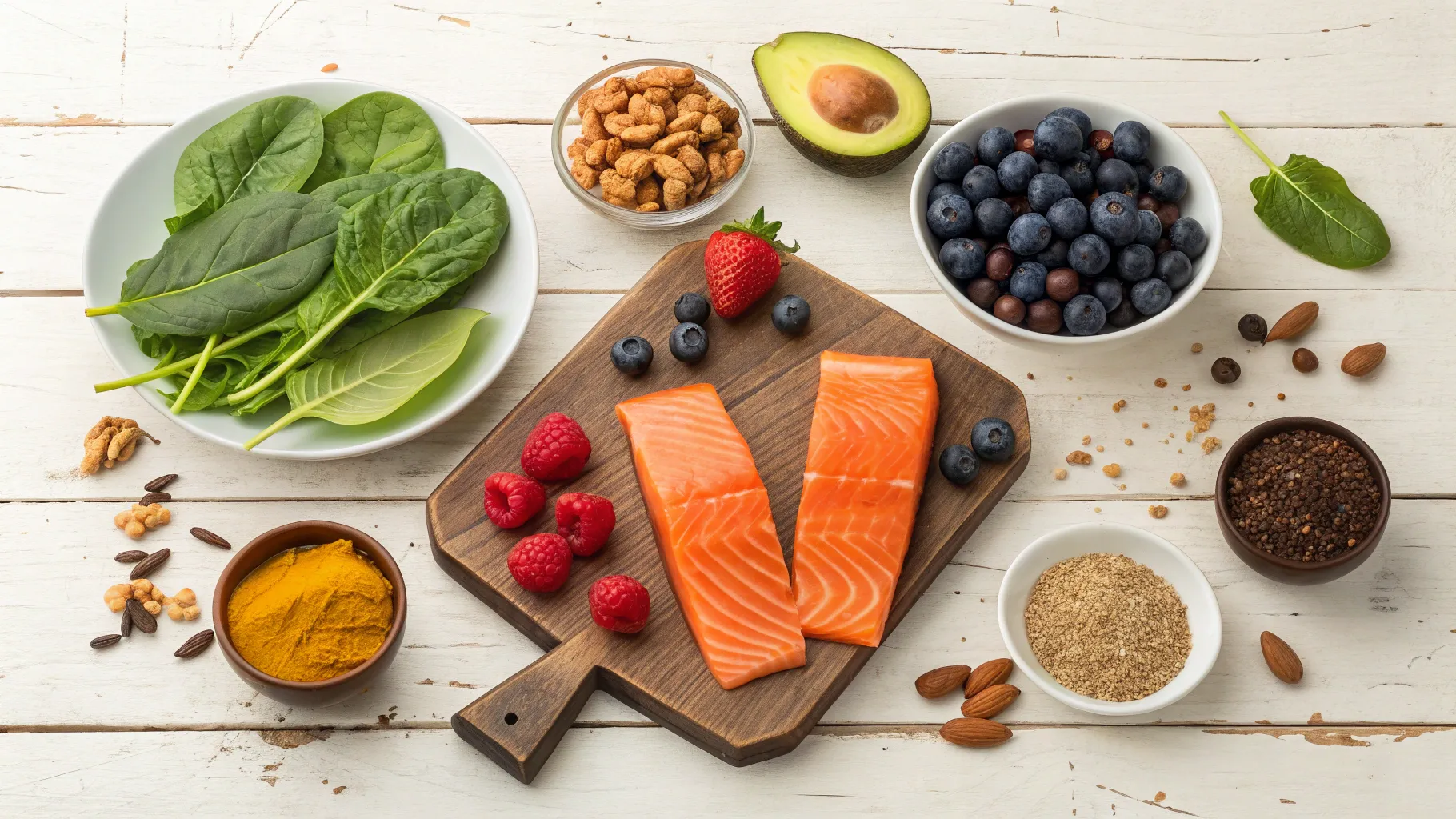
The 6 Pillars of a Brain-Protective Plate
1. Leafy Greens (Kale, Spinach)
Packed with vitamins K, lutein, and folate, leafy greens are essential for slowing cognitive decline. Integrating these foods for brain protection into your daily meals helps shield your neurons from oxidative stress.
2. Fatty Fish (Salmon, Mackerel)
Rich in omega-3 fatty acids, particularly DHA, fatty fish are critical for building brain and nerve cells. Regular consumption is a cornerstone of any effective brain health prevention diet.
3. Berries (Blueberries, Strawberries)
The flavonoids that give berries their vibrant colors also improve memory. These powerful antioxidants help reduce inflammation and oxidative stress, making them top-tier anti dementia foods.
4. Nuts (Walnuts, Almonds)
Walnuts are especially high in a type of omega-3 fatty acid called ALA. A handful of nuts per day provides healthy fats, antioxidants, and vitamin E, which have been shown to have protective effects on brain health.
5. Turmeric (Curcumin)
Curcumin, the active compound in turmeric, is a potent anti-inflammatory and antioxidant agent. It can cross the blood-brain barrier, directly benefiting brain cells and potentially clearing amyloid plaques associated with Alzheimer's disease.
6. Dark Chocolate & Cocoa
Flavonoid-rich cocoa can improve blood flow to the brain and protect brain cells. Opt for dark chocolate with at least 70% cocoa content to reap the maximum benefits for cognitive function.
Practical Ways to Weave These Foods into Your Daily Life
- Start your day with a smoothie blended with spinach and a handful of blueberries.
- Aim for at least two servings of fatty fish like salmon per week for optimal omega-3 intake.
- Snack on a small portion of walnuts or almonds instead of processed snacks to support brain health.
- Add a teaspoon of turmeric to soups, curries, or even golden milk lattes for an anti-inflammatory boost.
- Enjoy a small square of high-quality dark chocolate as a dessert to satisfy your sweet tooth while nourishing your brain.
Frequently Asked Questions
Can diet alone completely prevent dementia?
While diet is a powerful tool, it's one part of a larger lifestyle approach. Combining a brain health prevention diet with regular exercise, cognitive stimulation, and social engagement offers the most comprehensive protection.
How soon can you see benefits from changing your diet?
Cognitive benefits are long-term. The key is consistency. Protecting your brain is a marathon, not a sprint, and these dietary changes contribute to cumulative protection over years.
References
- Morris, M. C., et al. (2015). MIND diet associated with reduced incidence of Alzheimer's disease. Alzheimer's & Dementia, 11(9), 1007-1014.
- Gómez-Pinilla, F. (2008). Brain foods: the effects of nutrients on brain function. Nature Reviews Neuroscience, 9(7), 568-578.