6 Foods to Boost Brain Health and Prevent Dementia
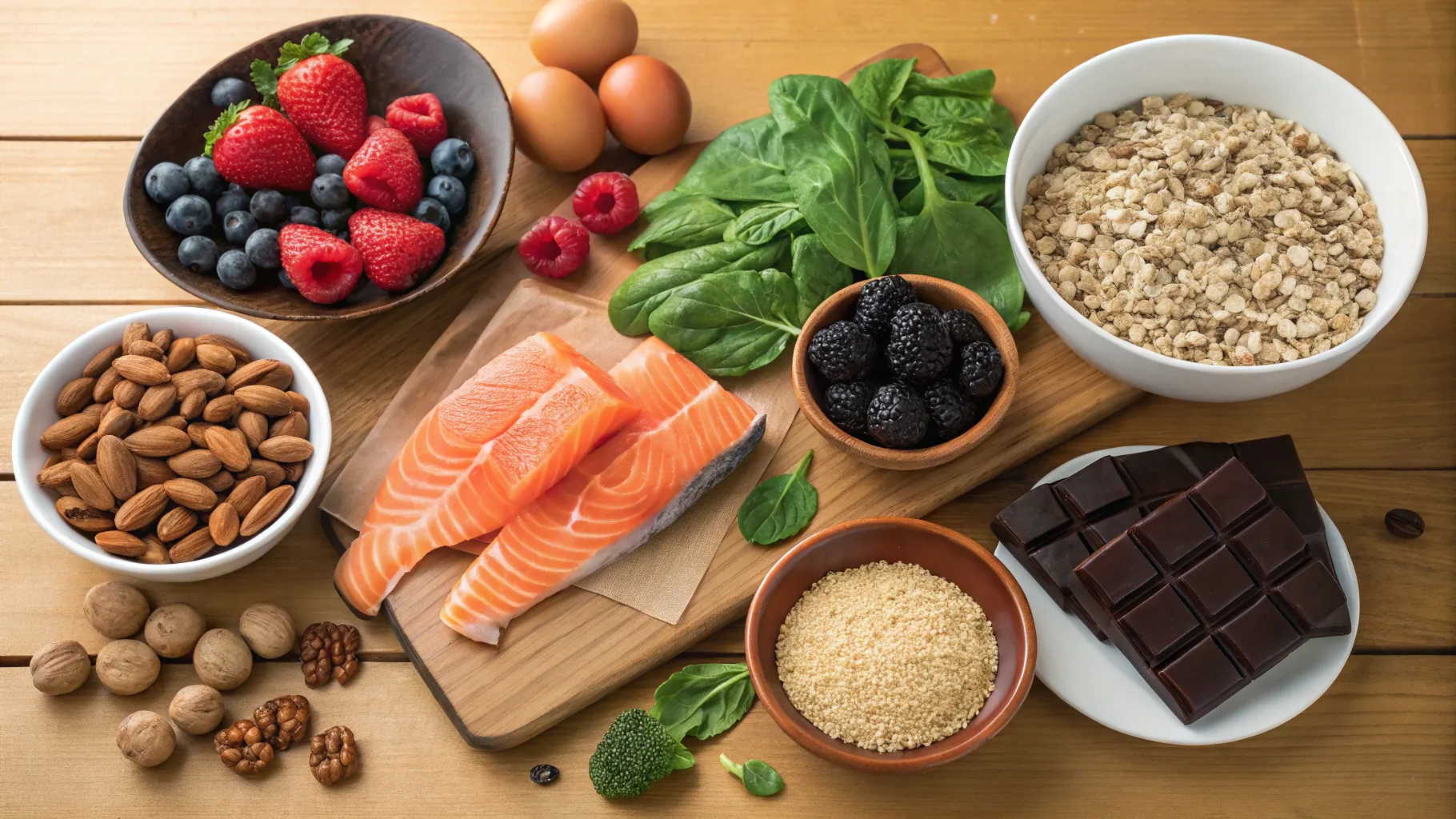
6 Foods to Prevent Dementia and Support Brain Health
As we advance further into 2025, the importance of maintaining optimal brain health has never been more crucial. With increasing attention on mental wellness, nutritional approaches to preventing cognitive decline are gaining momentum. Recent studies have highlighted the impact of diet on our cognitive abilities, suggesting that certain foods can help fortify our brains and potentially prevent dementia. Below, we explore six potent brain health foods that align perfectly with a cognitive diet, designed to promote memory support and overall brain wellness.
1. Fatty Fish: A Powerhouse of Omega-3s
Fatty fish such as salmon, mackerel, and sardines are often heralded as superheroes of the brain health food category. Why? They are rich in omega-3 fatty acids, which are essential for maintaining optimal brain function. According to a study published in early 2025, individuals consuming omega-3-rich diets were found to have a significantly lower risk of developing Alzheimer's disease and other neurodegenerative conditions.
- Omega-3s and Cognitive Function: Omega-3 fatty acids promote the formation of neuronal connections and the development of new brain cells, particularly in regions linked to memory.
- Heart and Brain Connection: By improving heart health, omega-3s promote enhanced blood flow to the brain, further supporting cognitive abilities.
2. Berries: Tiny, Nutrient-Rich Powerhouses
Whether you prefer blueberries, strawberries, or blackberries, these fruits are packed with antioxidants known as flavonoids. Flavonoids have been shown to have neuroprotective effects, shielding neurons from oxidative stress and inflammation. A 2025 analysis of the dietary habits of older adults revealed that those who consumed greater amounts of berries displayed sharper memory and cognitive performance compared to those who did not.
- Memory Enhancer: Flavonoids enhance communication between brain cells, which is crucial for optimal memory function.
- Versatile Options: Berries can be added to smoothies, oatmeal, and salads, making them easy to incorporate into a daily diet.
3. Dark Chocolate: Not Just a Treat
Yes, you read that right—dark chocolate does wonders for brain health! Rich in flavonoids, caffeine, and antioxidants, dark chocolate not only elevates your mood but also boosts cognitive function. A recent study from the International Journal of Neuropsychopharmacology highlighted that consuming dark chocolate regularly could enhance memory and improve blood flow to the brain, enhancing thinking skills.
- Choosing the Right Chocolate: Look for chocolates that contain at least 70% cocoa to maximize your intake of beneficial flavonoids.
- A Guilt-Free Indulgence: A small daily serving of dark chocolate can be a delicious way to support your brain health.
4. Nuts: The Crunchy Brainfood
Nuts, particularly walnuts, almonds, and hazelnuts, are among the best foods for brain health due to their nutrient density. They are an excellent source of healthy fats, antioxidants, and vitamins. Most importantly, walnuts contain high levels of DHA, a type of omega-3 fatty acid crucial for brain health.
- Research Correlation: A 2025 longitudinal study found that individuals who snack on a variety of nuts regularly experience slower cognitive decline than those who do not.
- Perfect Snacks: Nuts are not only good for the brain but also easy to carry and consume on the go, making them a great snack choice.
5. Leafy Greens: A Nutrient Powerhouse
Leafy greens like spinach, kale, and broccoli are considered some of the most nutrient-rich foods available and should play a vital role in any brain wellness diet. They are loaded with antioxidants, fiber, vitamins, and minerals, all of which are necessary for maintaining cognitive health. A recent nutrition report highlighted that adults who regularly consume leafy greens experience a cognitive age up to 11 years younger than their counterparts who do not include them in their diet.
- Vitamin K's Role: High levels of vitamin K found in leafy greens boost cognitive function and support brain development.
- Easy to Prepare: Use them in salads, smoothies, or stir-fries for a simple health boost.
6. Whole Grains: Fueling the Brain
Whole grains, such as oats, quinoa, and barley, should be staples in your diet. These foods are a rich source of B vitamins and fiber, which are crucial for maintaining energy levels and supporting brain function. They gradually release glucose into the bloodstream, ensuring a steady supply of energy for your brain.
- Research Findings: A recent study observed that individuals consuming whole grains regularly exhibited enhanced attention and concentration span.
- Adaptable Diet: Incorporating whole grains into meals is simple; they can form the base of salads, bowls, and even breakfast dishes.
Overall, incorporating these 6 brain health foods into your diet can significantly influence cognitive performance and memory support. The power of these nutritional choices lies not only in their individual benefits but also in their combined synergy. As we continue to learn more about the relationship between diet and cognitive health, optimizing our meals with nutrient-rich foods stands as a proactive approach to brain wellness. Embrace these cognitive diet ideas, and take powerful steps toward preserving your memory and brain health for years to come.