5 Wedding Colour Themes Viewed as Outdated (And What to Choose Instead)
Facts:
- Colour psychology significantly impacts wedding guest perception.
- Recent trend reports show a 60% increase in personalized, non-traditional palettes.
Decoding the Shift in Wedding Aesthetics
Choosing a colour palette is one of the most significant decisions in wedding planning, as it sets the tone for the entire event. However, just like fashion, wedding trends evolve, and what was once the pinnacle of style can quickly become a relic of the past. Many couples now find themselves navigating a sea of inspiration, trying to avoid palettes that might make their special day look dated in photos years from now. This guide explores the 5 outdated wedding colour themes that are losing popularity, helping you understand why these palettes are considered part of old wedding colour trends and what fresh alternatives are capturing the hearts of modern couples. Understanding which wedding colours outdated styles to sidestep is key to creating a timeless celebration.
5 Wedding Colour Palettes That Feel Dated
While beauty is subjective, certain colour combinations have become so ubiquitous in previous years that they no longer feel fresh or unique. These palettes often signal a specific era, and moving beyond them can instantly modernize your event. Below, we delve into the specific schemes that are being retired and the reasons behind the shift, providing insight into why these are now seen as some of the most common wedding colours outdated by today's standards.
1. Blush and Gold
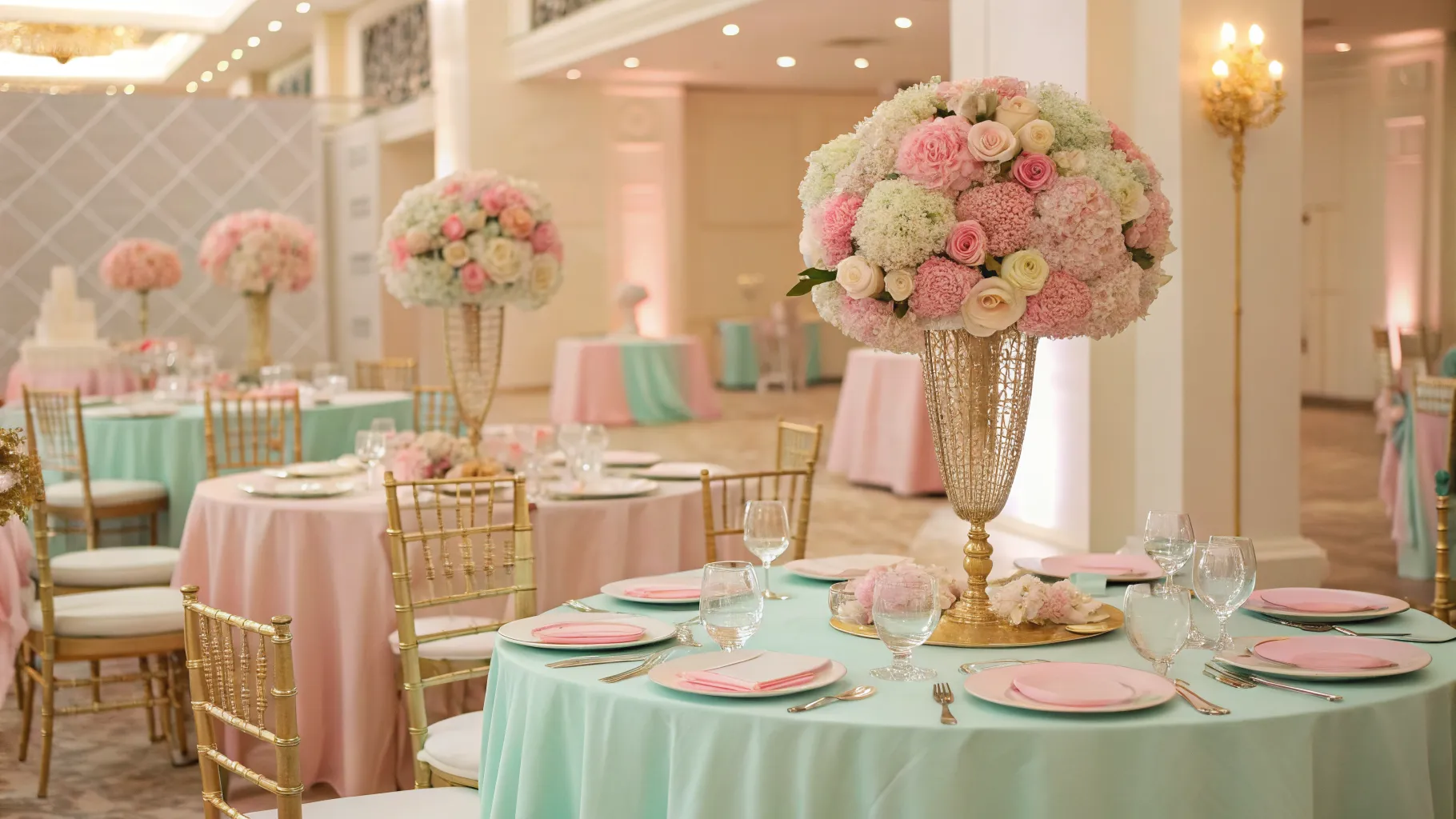
Perhaps the most dominant of all past wedding colour palettes, the blush and gold combination defined romantic weddings for nearly a decade. Its soft, feminine appeal was undeniable, but its oversaturation on platforms like Pinterest has led to fatigue. The look can now feel generic and lacks the personal touch many couples crave. Modern couples are swapping this duo for 'new neutrals' like terracotta, dusty rose, and champagne, which offer warmth and romance without feeling like a carbon copy of countless other weddings. This is a prime example of how even beautiful traditional wedding colours can become tired through overuse.
2. Mint and Coral
A cheerful and bright combination, mint and coral had its moment, particularly for spring and summer weddings. It was playful and vibrant, but its specific, almost pastel-like intensity can feel limiting and overly thematic. This colour scheme is often cited when discussing old wedding colour trends because it struggles to achieve a sense of timelessness. The contemporary alternative involves more muted, earthy tones like sage green paired with rust or apricot, which provide a similar warm-and-cool contrast but with a more sophisticated and organic feel.
3. Burlap and Lace (The 'Rustic Chic' Brown and Ivory)
The 'rustic chic' aesthetic, characterized by burlap runners, lace details, and a general brown-and-ivory palette, was a massive trend. While the desire for a relaxed, natural vibe remains, the literal interpretation with these specific materials and colours now feels dated. It's a classic case of one of the 5 outdated wedding colour themes that was more about texture than colour, but the visual identity is unmistakable. Today's rustic is more refined, leaning towards natural wood tones, deep forest greens, and soft taupes, creating an atmosphere that is organic without being cliché.
4. Bright Jewel Tones (Fuchsia, Royal Blue, Emerald)
Saturated jewel tones, especially when used all together in a bright, high-contrast mix, can feel overwhelming and reminiscent of 80s and 90s event design. While bold colour is making a comeback, the modern approach is more nuanced. Instead of a rainbow of brights, couples are opting for a monochromatic scheme with varying shades of a single jewel tone (e.g., different blues) or pairing one bold colour with softer, complementary neutrals. This prevents the palette from looking chaotic and makes it one of the key wedding colours outdated for its lack of subtlety.
5. Damask Black and White with a 'Pop' of Colour
This highly formal and graphic look, often featuring a damask pattern and a single, shocking accent colour like hot pink or red, feels very specific to the early 2000s. It's a rigid and theatrical style that starkly contrasts with the current preference for more relaxed, layered, and natural aesthetics. This is one of those past wedding colour palettes that feels overly constructed. Couples seeking a dramatic look today are more likely to use a sophisticated black-and-white base with metallic accents or deep, moody florals rather than a single, artificial-looking 'pop'.
The Evolution Away from Traditional Wedding Colours
The primary driver behind these shifts is a collective move towards greater personalization and authenticity. Couples no longer want a 'Pinterest wedding'; they want a wedding that reflects their unique story, personalities, and style. The old wedding colour trends often feel prescriptive, like a formula to be followed. Today's trends, however, are more about creating a mood and an experience. There's a strong emphasis on palettes drawn from nature, the wedding venue's architecture, or even a favorite piece of art. The focus has moved from rigid two- or three-colour schemes to more complex, layered palettes with a range of tones and textures, making many traditional wedding colours and their combinations feel flat by comparison.
How to Select a Modern and Timeless Wedding Palette
Choosing a colour scheme that feels both current and classic can be challenging. Here is some actionable advice to guide you away from themes that may be considered part of the 5 outdated wedding colour themes and towards something truly special:
- Start with an Inspiration Point: Don't just pick colours from a swatch. Let your venue, the season, your favorite painting, or even your attire inspire your palette. This ensures the colours have personal meaning.
- Think in Tones, Not Just Colours: Instead of 'blue and green,' think 'shades of dusty blue, seafoam, and deep forest green.' A tonal palette is more sophisticated and provides greater depth and flexibility than a simple two-colour combination.
- Embrace the New Neutrals: Move beyond basic white and ivory. Colours like taupe, beige, terracotta, olive green, and slate blue can act as a beautiful, modern base for your entire wedding design, preventing it from feeling dated.
- Focus on Texture: A simple palette can be elevated with a rich variety of textures. Think velvet, linen, handmade paper, stone, and wood. Texture adds a layer of interest that colour alone cannot, and it helps you avoid relying on past wedding colour palettes.
Frequently Asked Questions
Are traditional wedding colours always a bad choice?
Not at all. Classic palettes like black and white or navy and cream are timeless for a reason. The issue arises when very specific, trendy combinations (like mint and coral) become overused. The goal is to use traditional wedding colours in a fresh, modern way rather than recreating a look from a decade ago.
How can I ensure my chosen colours won't look dated in ten years?
The best way to future-proof your palette is to choose colours that have personal significance and are rooted in timeless inspirations, such as nature or the season. Avoid overly saturated, trendy combinations that are all over social media. A well-balanced palette with depth and texture will always look more classic than one based on fleeting old wedding colour trends.
What if I still love one of the wedding colours outdated palettes?
You should always choose what you love! The key is to modernize it. If you love blush, for example, pair it with deeper tones like burgundy or terracotta instead of bright gold. Use it as an accent rather than the dominant colour. This allows you to incorporate your favorite hue without your wedding looking like a time capsule of past wedding colour palettes.
References
- The Knot Wedding Trends Report
- Brides Magazine Colour Theory Analysis
- Pantone Colour Institute Event Forecasting
- Modern Wedding Planning & Design Archives