Elevate Your Space: 5 Sustainable Choices for Modern Homes and Eco-Friendly Living
Facts:
- Global emissions require urgent reduction.
- Demand for sustainable living solutions is rising for modern homeowners.
Embracing Sustainable Living: Essential Choices for Eco-Friendly Homes
Modern homeowners are increasingly seeking ways to integrate sustainable living practices into their residences. As environmental awareness grows, the demand for eco-friendly homes that reduce ecological footprints and enhance quality of life has surged. This guide explores five pivotal choices that homeowners can make to transform their properties into more environmentally responsible and efficient spaces, ensuring a healthier planet for future generations while also offering potential long-term financial benefits through reduced energy consumption and maintenance.
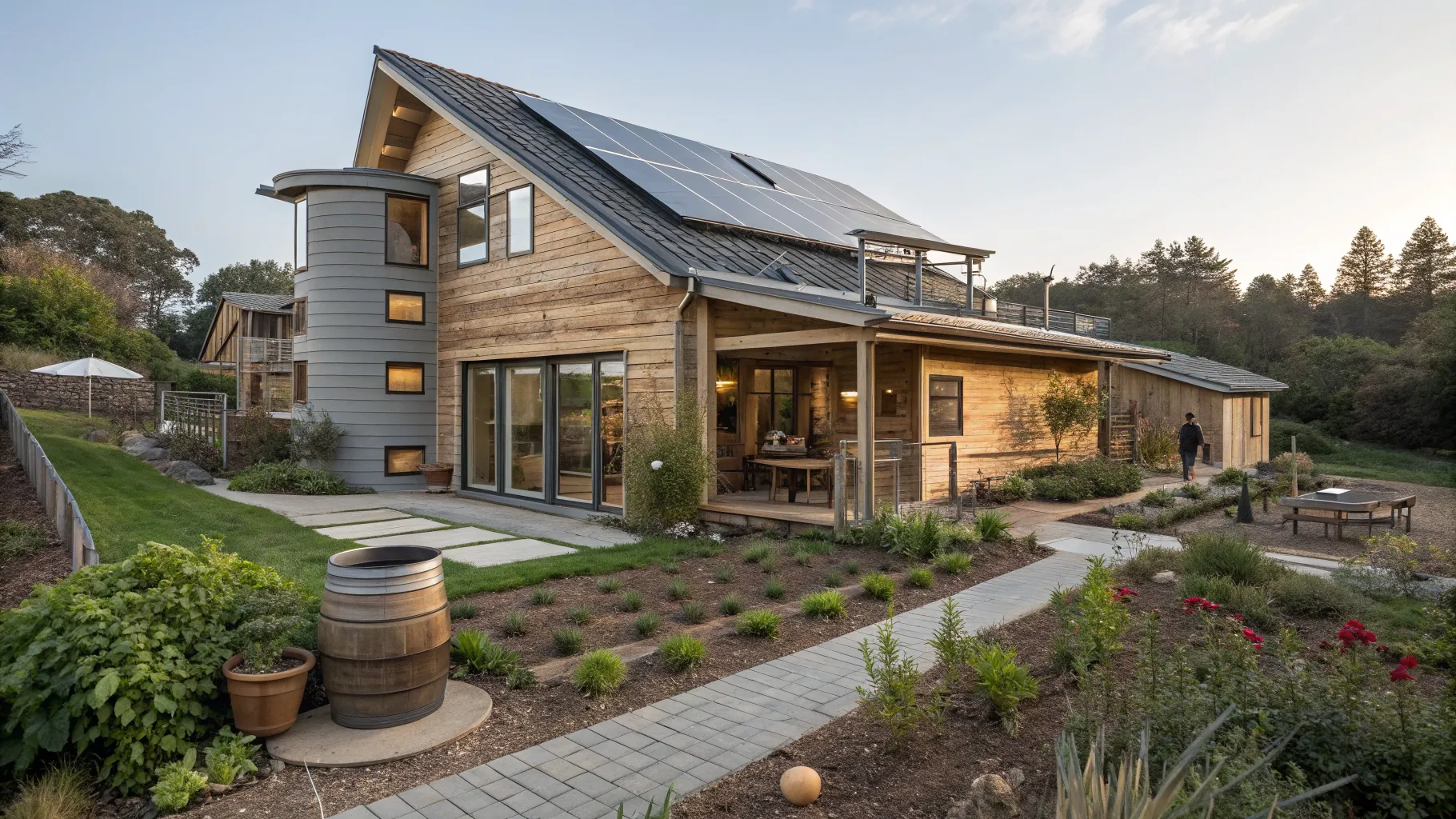
1. Harnessing Renewable Energy Systems
Integrating renewable energy sources is perhaps the most impactful choice for creating a truly sustainable living environment. Solar panels, for instance, convert sunlight directly into electricity, significantly reducing reliance on fossil fuels and lowering utility bills. Homeowners can also explore wind turbines for suitable locations or geothermal heat pumps that utilize the Earth's stable underground temperature to provide heating and cooling with remarkable energy efficiency. The initial investment, while substantial, often pays for itself over time through energy savings and various government incentives, making your home a net producer of clean energy.
2. Opting for Green Building Materials
The materials used in constructing or renovating a home play a crucial role in its ecological footprint. Choosing green building materials means selecting options that are recycled, locally sourced, rapidly renewable, or have a low embodied energy. Examples include reclaimed wood, bamboo flooring, recycled steel, cellulose insulation made from recycled paper, and low-VOC (Volatile Organic Compound) paints. These materials not only minimize environmental impact during production and transport but also contribute to healthier indoor air quality, making your eco-friendly home a safer place for its inhabitants. Investing in these materials is a foundational step towards long-term sustainability.
3. Implementing Advanced Water Conservation Solutions
Water scarcity is a growing global concern, making efficient water use a cornerstone of sustainable living. Modern homes can incorporate various solutions to drastically reduce water consumption. Rainwater harvesting systems collect and store rainwater for irrigation or non-potable uses, easing the burden on municipal supplies. Low-flow fixtures for showers, toilets, and faucets significantly cut down on daily water usage without compromising performance. Furthermore, greywater recycling systems can treat and reuse water from sinks and showers for landscaping, showcasing a truly holistic approach to water management and reinforcing the commitment to eco-friendly homes.
4. Leveraging Smart Home Technology for Enhanced Energy Efficiency
The advent of smart home technology offers powerful tools for optimizing energy efficiency. Smart thermostats learn your family’s habits and adjust heating and cooling accordingly, minimizing wasted energy. Automated lighting systems can turn off lights in empty rooms or dim them based on natural light levels. Smart plugs and power strips can cut power to electronics not in use, eliminating phantom load. These technologies provide homeowners with unprecedented control and insight into their energy consumption, allowing for precise adjustments that lead to substantial savings and a reduced carbon footprint, making modern homes not just sustainable but also intelligent.
5. Creating Sustainable Landscaping and Outdoor Spaces
The area surrounding your home is just as important as the structure itself in promoting sustainable living. Sustainable landscaping involves designing outdoor spaces that require minimal water, pesticides, and maintenance. This often includes planting native species that are well-adapted to the local climate and soil, reducing the need for excessive irrigation. Permaculture principles can be applied to create productive and regenerative gardens. Furthermore, permeable paving materials allow rainwater to seep into the ground naturally, preventing runoff and replenishing groundwater. These practices transform your yard into a biodiversity haven, enhancing the overall appeal and environmental benefit of your eco-friendly home.
The journey towards a more sustainable home is multifaceted, integrating choices that span from fundamental building materials to everyday operational efficiencies. Each of these five choices represents a significant step forward, contributing to reduced environmental impact and enhanced quality of life. By thoughtfully considering renewable energy, selecting green building materials, prioritizing water conservation, embracing smart home technology, and adopting sustainable landscaping practices, homeowners can build a resilient, resource-efficient, and truly eco-friendly home for the future. The synergy between these elements creates a holistic environment that not only benefits the planet but also offers long-term economic advantages through lower operational costs and increased property value. Embracing these principles is not just a trend but a necessary evolution towards responsible modern living.
Implementing Sustainable Living in Your Home
- Start Small and Prioritize: Begin with one or two changes that are most feasible for your budget and lifestyle. Installing LED lighting or a smart thermostat is a great first step towards improving energy efficiency.
- Research Local Incentives: Many governments and utility companies offer rebates, tax credits, or grants for adopting sustainable technologies like solar panels or energy-efficient appliances. Explore these opportunities to offset initial costs.
- Consult Experts: For larger projects, such as integrating renewable energy systems or undertaking major renovations with green building materials, consider consulting architects or contractors specializing in sustainable design. Their expertise can ensure optimal results and compliance with local regulations.
- Educate Yourself and Your Household: Understanding the 'why' behind sustainable choices helps foster commitment. Involve all household members in conscious efforts to conserve water and energy.
- Monitor and Optimize: Utilize smart home technology and energy monitoring tools to track your progress and identify further areas for improvement. Continuous optimization is key to maximizing the benefits of sustainable living.
Frequently Asked Questions
Is investing in renewable energy systems worthwhile?
Yes, while the initial outlay for systems like solar panels can be significant, the long-term savings on utility bills and potential for government incentives often make it a highly worthwhile investment. Moreover, it significantly reduces your carbon footprint, contributing to sustainable living goals. Many systems now offer battery storage solutions, enhancing energy independence and resilience.
What are the best green building materials for home renovations?
Excellent options include reclaimed wood, bamboo flooring, recycled steel, cellulose insulation, and low-VOC paints. These materials not only reduce environmental impact but often offer superior durability and indoor air quality compared to conventional choices. Prioritizing locally sourced materials further reduces transportation emissions, aligning with true eco-friendly homes principles.
How can smart home technology improve energy efficiency?
Smart home devices, such as programmable thermostats, intelligent lighting systems, and smart power strips, allow for precise control over energy consumption. They can learn your habits, adjust settings based on occupancy or weather, and even integrate with solar panels to optimize energy use, making a substantial difference in overall household energy efficiency and convenience.
References
- Environmental Protection Agency (EPA)
- U.S. Department of Energy
- Green Building Council
- National Renewable Energy Laboratory (NREL)