5 Stomach Cancer Warning Signals You Can't Ignore: A Guide to Early Symptoms
Facts:
- Stomach cancer is often diagnosed at a late stage.
- Increased awareness of early signs stomach cancer is crucial for improving outcomes.
Decoding Your Body's Alarms: Key Gastric Cancer Symptoms
Ignoring persistent discomfort can have serious consequences. Understanding the primary 5 stomach cancer warning signs is your first line of defense against this disease. Many early symptoms can be mistaken for common gastrointestinal issues, which is why awareness is critical. If you've ever found yourself wondering, 'do i have stomach cancer?', this guide will help you identify the critical indicators that warrant a conversation with your healthcare provider. Recognizing these stomach cancer symptoms early can significantly impact prognosis and treatment options.
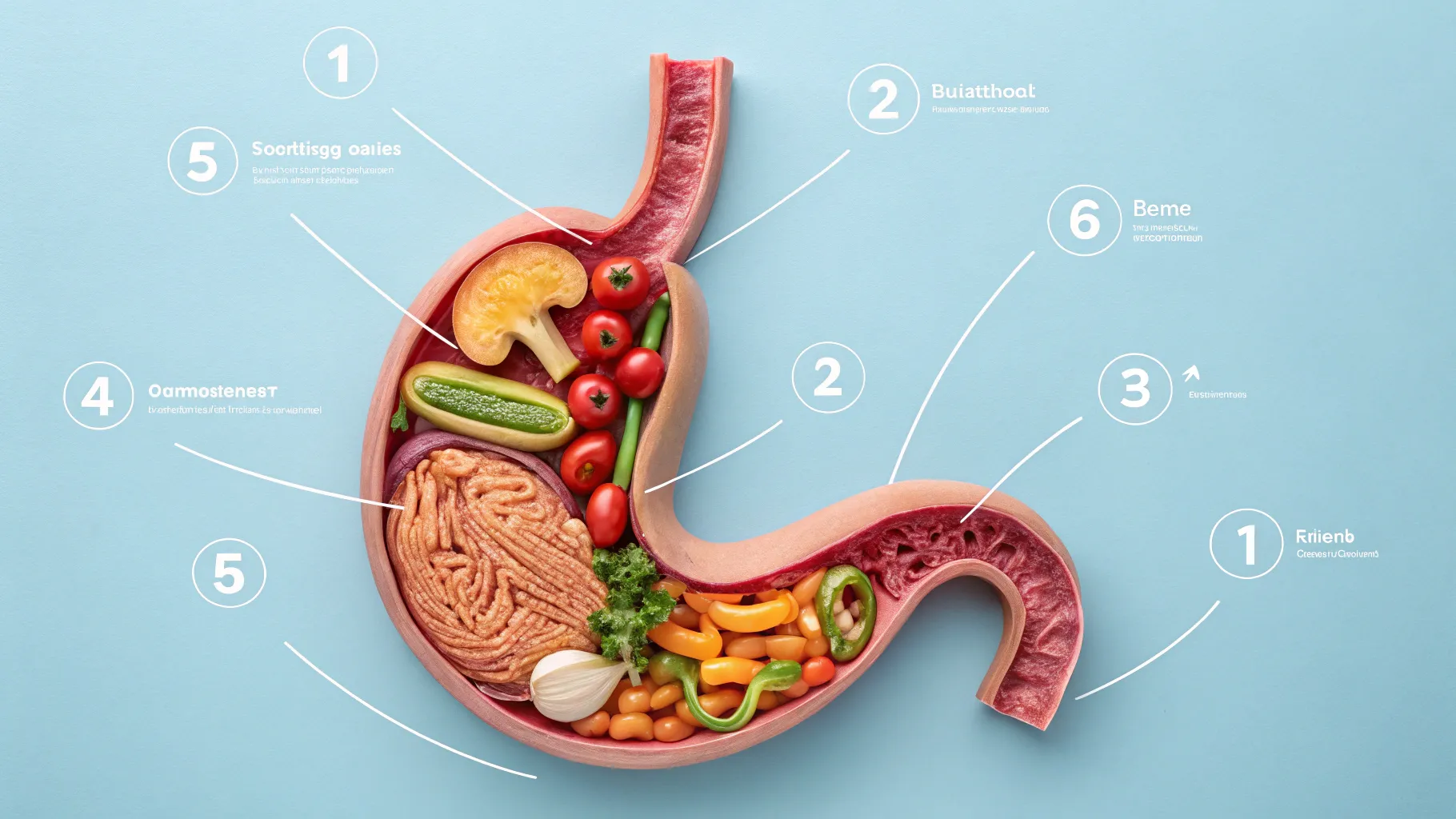
The 5 Stomach Cancer Warning Signals You Must Not Overlook
Vigilance is key when it comes to your health. These five signals are among the most commonly reported stomach cancer symptoms. While they can be caused by other conditions, their persistence or worsening should never be ignored. Pay close attention to how your body feels and consult a professional if these signs become a regular part of your life.
1. Persistent and Severe Indigestion or Heartburn
Everyone experiences indigestion occasionally, but when it becomes chronic, severe, and doesn't respond to typical remedies, it could be one of the early signs stomach cancer. This isn't the kind of heartburn you get after a spicy meal; it's a persistent, gnawing, or burning pain in the upper abdomen. This discomfort, also known as dyspepsia, can be accompanied by frequent burping and a feeling of being full after eating very little. It is one of the most crucial gastric cancer symptoms to monitor.
2. Unexplained and Significant Weight Loss
Losing weight without changing your diet or exercise routine is a major red flag for many cancers, including stomach cancer. If you notice the numbers on the scale dropping unexpectedly, it's a critical warning sign. This weight loss often occurs because the cancer can affect your appetite or your body's ability to absorb nutrients from food. Tracking these changes is vital when evaluating potential 5 stomach cancer warning signs.
3. Chronic Abdominal Pain and Discomfort
Pain associated with stomach cancer is often vague but persistent. It may be a dull ache in the upper or middle part of your abdomen. The pain might be constant or it can come and go. Unlike a typical stomach ache, this discomfort doesn't easily resolve itself and can gradually worsen over time. This type of persistent pain is a significant component of the overall picture of stomach cancer symptoms.
4. Persistent Nausea and Vomiting
Feeling nauseous frequently, especially after meals, can be an indicator. In some cases, this may progress to vomiting. The vomit might contain undigested food eaten hours earlier or, in more advanced cases, blood that can look like coffee grounds. If you find yourself asking, 'do i have stomach cancer?' due to persistent nausea, it is essential to seek medical advice. This is a clear and concerning symptom that should not be dismissed.
5. Difficulty Swallowing (Dysphagia)
A sensation that food is getting stuck in your throat or chest on its way down is known as dysphagia. This happens when a tumor grows near the top part of the stomach, close to the esophagus, obstructing the passage of food. You might feel a sense of pressure or pain when you swallow. This is a very specific and serious sign among the list of early signs stomach cancer and requires immediate medical evaluation.
When to See a Doctor About Gastric Cancer Symptoms
Recognizing the symptoms is the first step; taking action is the next. It is crucial to consult a healthcare professional if you experience any of the above signs, especially if they are persistent, severe, or worsening. Do not self-diagnose or delay seeking help. Here are specific triggers for making an appointment:
- Your symptoms persist for more than two weeks despite over-the-counter treatments.
- You are experiencing unexplained weight loss combined with any other digestive symptom.
- You have a family history of stomach cancer and begin noticing new gastrointestinal issues.
- You vomit blood or notice blood in your stool, which can appear black and tarry. This is a medical emergency.
- You feel a palpable lump or mass in your abdominal area.
Investigating the Signs: How Doctors Diagnose Stomach Cancer
If you present with potential stomach cancer symptoms, your doctor will likely begin with a physical exam and a detailed medical history. From there, several tests can be used to determine the cause of your symptoms. The most common diagnostic tool is an upper endoscopy, where a thin, flexible tube with a camera is passed down your throat to view the esophagus, stomach, and the first part of the small intestine. During this procedure, a small tissue sample (biopsy) can be taken for analysis if any abnormal areas are found. Other tests may include imaging scans like CT or PET scans to see if the cancer has spread. Understanding these potential gastric cancer symptoms is the first step toward a diagnosis.
Frequently Asked Questions
What are the most overlooked early signs stomach cancer?
The most commonly overlooked early signs stomach cancer include persistent indigestion that doesn't improve with medication, a feeling of being full after eating only a small amount of food (early satiety), and mild but constant nausea. Because these symptoms are common with other, less serious conditions, they are often dismissed until the disease has progressed.
Can stress cause stomach cancer symptoms?
While stress itself does not directly cause stomach cancer, it can cause or worsen symptoms that mimic stomach cancer symptoms, such as indigestion, abdominal pain, and nausea. However, it's dangerous to assume your symptoms are just stress. If you experience any of the key 5 stomach cancer warning signs persistently, it is vital to get a medical evaluation to rule out a serious condition.
How quickly do gastric cancer symptoms develop?
The development of gastric cancer symptoms can be very slow, often taking years. The cancer can grow for a long time before it causes noticeable signs, which is why it's often diagnosed at a later stage. This slow progression underscores the importance of paying attention to even minor, persistent changes in your digestive health.
References
- National Cancer Institute (NCI) - Stomach (Gastric) Cancer
- American Cancer Society - Signs and Symptoms of Stomach Cancer
- World Health Organization (WHO) - Cancer Fact Sheets
- Mayo Clinic - Stomach Cancer Overview