5 Stomach Cancer Warning Signals You Must Not Ignore | Gastric Cancer Symptoms
Facts:
- Stomach cancer is the fifth most common cancer worldwide.
- Early detection significantly improves survival rates for gastric cancer patients.
Decoding the Subtle Alarms: What Your Stomach Might Be Telling You
Stomach cancer, also known as gastric cancer, often develops slowly over many years. In its initial phases, the symptoms can be vague and easily mistaken for common gastrointestinal issues like acid reflux or a stomach bug. This deceptive subtlety is why understanding the primary 5 stomach cancer warning signs is not just helpful—it can be life-saving. Many people delay seeking medical advice, assuming their discomfort is temporary. However, persistent and unexplained changes in your digestive health warrant a closer look. Recognizing these key gastric cancer symptoms allows for earlier intervention, which is the most critical factor in achieving a positive outcome. If you find yourself constantly wondering, 'do i have stomach cancer?', it is time to pay close attention to what your body is communicating.
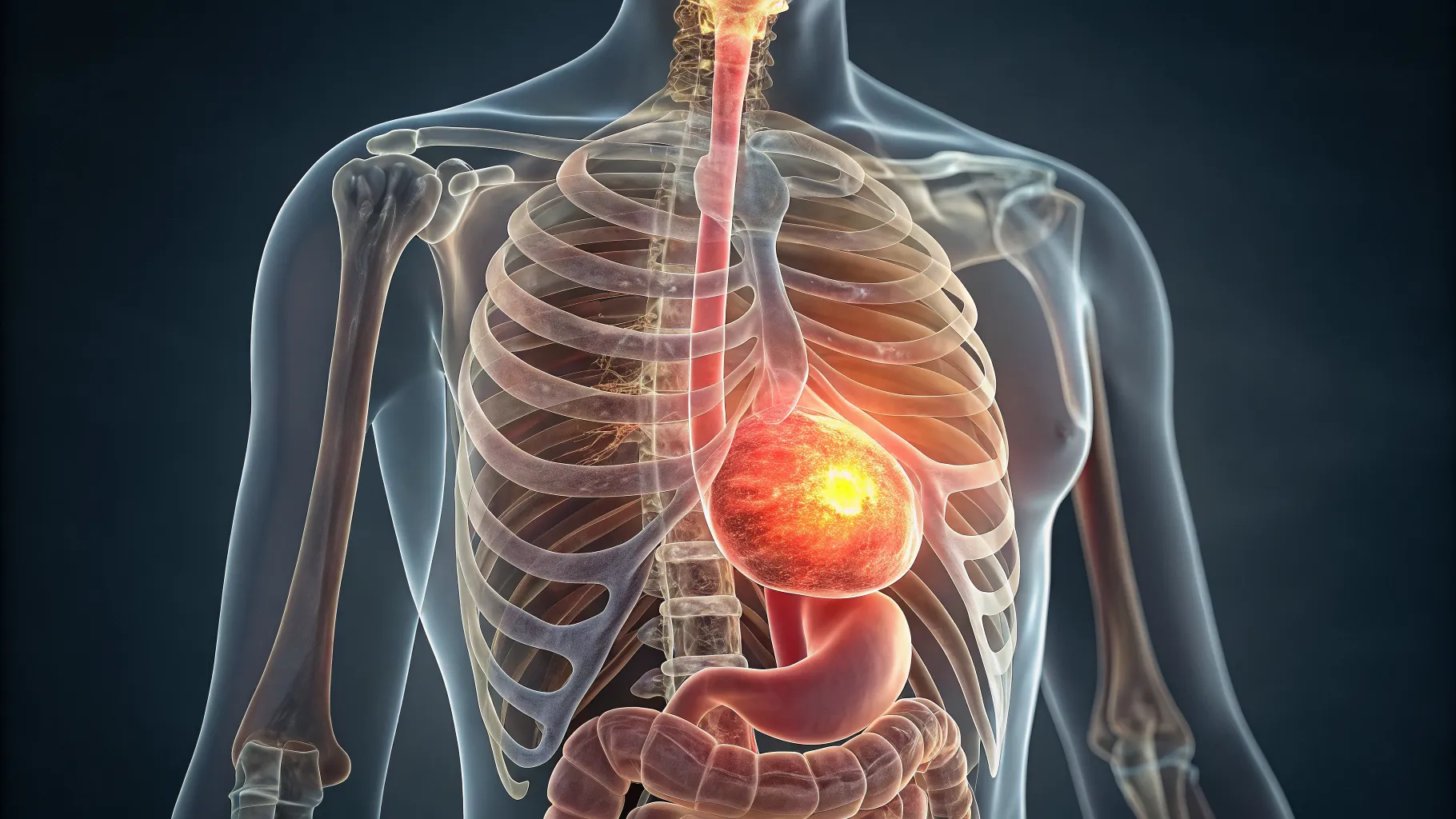
The 5 Stomach Cancer Warning Signals You Should Know
Awareness is your first line of defense. These five signals, especially when they are persistent or occur together, should prompt a conversation with your healthcare provider. Do not dismiss them as normal aging or stress-related discomfort. These are the critical stomach cancer symptoms to monitor.
1. Persistent and Severe Heartburn or Indigestion
While occasional indigestion is common, heartburn (acid indigestion) that is persistent, severe, or doesn't respond to over-the-counter medications can be one of the key early signs stomach cancer. This isn't the kind of heartburn you get after one spicy meal; it's a chronic, nagging burning sensation in the upper abdomen. A tumor in the stomach can disrupt the normal digestive process, leading to increased acid production or blocking the passage of food, causing these persistent symptoms.
2. Unexplained Weight Loss and Loss of Appetite
Losing weight without changing your diet or exercise routine is a significant red flag for many types of cancer, including stomach cancer. You might find you have a poor appetite or feel a general lack of interest in food. This is a critical one of the 5 stomach cancer warning signs because the body may not be absorbing nutrients properly, or the cancer itself could be altering your metabolism. If you've noticed your clothes getting looser for no apparent reason, it's essential to investigate the cause.
3. Abdominal Pain or Discomfort
Pain associated with stomach cancer is often a vague discomfort or a persistent dull ache in the upper abdomen (above the navel). It's easy to mistake for trapped gas or a simple stomachache. However, unlike a typical ache that resolves in a few hours, this discomfort lingers or recurs frequently. As the tumor grows, the pain may become more severe and constant. Paying attention to this type of persistent abdominal pain is crucial when evaluating potential gastric cancer symptoms.
4. Feeling Full After Eating Small Amounts (Early Satiety)
Early satiety is the sensation of feeling full very quickly, often after eating only a small portion of a meal. A tumor can take up space in the stomach, reducing its capacity to hold food. It can also make the stomach wall stiff and unable to expand properly as you eat. This symptom can lead to the unexplained weight loss mentioned earlier and is a distinct signal among the primary stomach cancer symptoms.
5. Nausea, Vomiting (with or without blood), and Difficulty Swallowing
Persistent nausea that isn't related to another illness can be an early sign. As the condition progresses, you might experience frequent vomiting. The vomit may contain undigested food and, in more advanced cases, blood that can look like coffee grounds. Another alarming symptom is dysphagia, or difficulty swallowing, which can feel like food is getting stuck in your throat. This often occurs if the tumor is located in the upper part of the stomach near the esophagus. This cluster of symptoms represents some of the most serious 5 stomach cancer warning signs.
Early vs. Advanced Stomach Cancer Symptoms: A Crucial Distinction
It is vital to understand the difference between early and later-stage symptoms. The early signs stomach cancer, such as indigestion and bloating, are often non-specific and can be attributed to dozens of less serious conditions. This is why they are frequently ignored. However, as the cancer advances, the stomach cancer symptoms become more severe and harder to miss. These can include visible swelling in the abdomen, jaundice (yellowing of the skin and eyes), and anemia from chronic blood loss, leading to extreme fatigue. The primary goal of raising awareness about the 5 stomach cancer warning signs is to encourage people to seek help when symptoms are still in that subtle, early phase, as this is when treatment is most effective.
When to See a Doctor About Stomach Cancer Symptoms
If you are experiencing any of the symptoms discussed, especially if they are new, persistent, or worsening, it is crucial to schedule an appointment with your doctor. Here is what you should do:
- Listen to Your Body: If any of the 5 stomach cancer warning signs persist for more than two weeks, don't dismiss them. Document your symptoms, their frequency, and severity to share with your physician.
- Discuss Your Risk Factors: Be prepared to talk to your doctor about your family history of cancer, personal history of H. pylori infection, diet, and smoking history, as these factors can increase your risk for developing gastric cancer.
- Advocate for Diagnostic Testing: If you are genuinely concerned, ask your doctor about diagnostic options like an upper endoscopy. Early diagnosis is the most powerful tool against this disease. Don't be afraid to voice your concerns and ask, 'do i have stomach cancer?' to seek clear answers and appropriate testing.
Frequently Asked Questions
What are the most overlooked early signs stomach cancer?
The most commonly overlooked early signs stomach cancer are persistent indigestion, a feeling of being bloated after eating, and mild nausea. Because these are such common ailments, people often dismiss them or self-treat with antacids, delaying a potential diagnosis. It is the chronic and unchanging nature of these symptoms that should be considered a warning.
Can stress cause gastric cancer symptoms?
While chronic stress itself is not a direct cause of stomach cancer, it can certainly worsen symptoms like acid reflux, stomach pain, and indigestion, which might overlap with gastric cancer symptoms. Furthermore, stress can lead to behaviors like a poor diet, excessive alcohol consumption, and smoking, which are all known risk factors for the disease. It's important to differentiate between stress-induced symptoms that fluctuate and persistent warning signs that do not resolve.
References
- National Cancer Institute (NCI) - Gastric Cancer Treatment
- American Cancer Society - Stomach Cancer Signs and Symptoms
- World Health Organization (WHO) - GLOBOCAN Cancer Statistics
- Mayo Clinic - Stomach Cancer Overview