5 Stomach Cancer Warning Signals You Can't Ignore
Facts:
- Stomach cancer is the fifth most common cancer globally.
- Early detection is critical for improving outcomes for individuals with gastric cancer symptoms.
Decoding the Body's Alarms: Key Stomach Cancer Signals
Recognizing the earliest warnings from your body is paramount when it comes to gastric health. Many people dismiss initial discomfort as simple indigestion, but persistent issues could be pointing to more serious conditions. Understanding the specific 5 stomach cancer warning signs can empower you to seek medical advice sooner, which is crucial for effective diagnosis and treatment. These signals are often subtle at first, but paying close attention to changes in your digestive health can make a significant difference. If you find yourself frequently wondering, 'do I have stomach cancer?', it's time to learn about the key indicators and consult a healthcare professional. These stomach cancer symptoms should never be ignored.
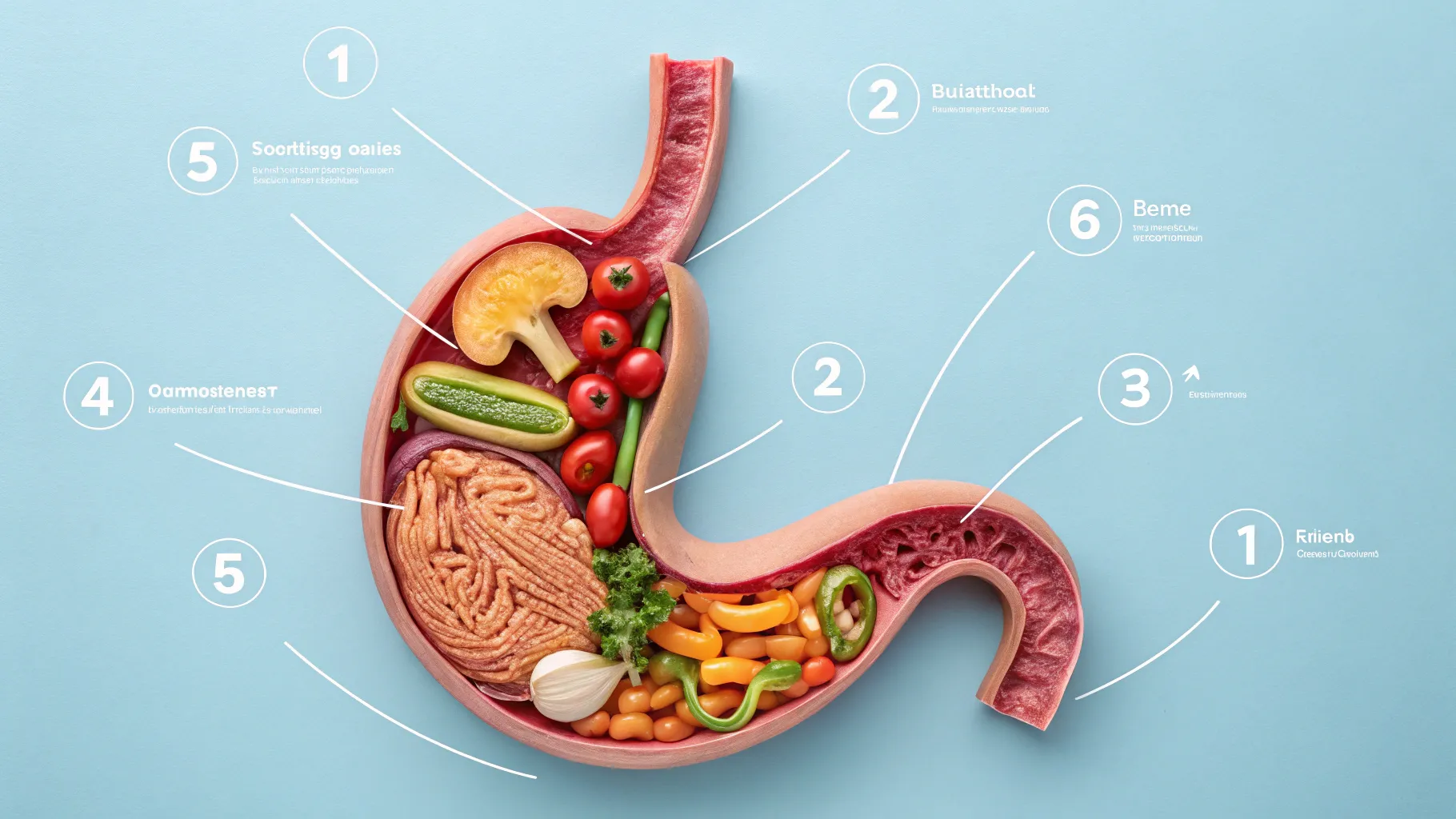
The 5 Stomach Cancer Warning Signals You Must Know
Vigilance is your best defense. While these symptoms can be caused by various other conditions, their persistence or worsening over time warrants a medical evaluation. Here are the five key warning signals to watch for.
1. Persistent Indigestion, Heartburn, and Abdominal Discomfort
While occasional indigestion is common, persistent and severe heartburn that doesn't resolve with over-the-counter medication can be one of the most common early signs stomach cancer. This discomfort, often described as a burning sensation in the upper abdomen, may be accompanied by bloating and frequent burping. It's the chronic nature of these stomach cancer symptoms that should raise a red flag. If your usual remedies no longer provide relief, it is a clear signal to consult a doctor.
2. Unexplained Weight Loss and Loss of Appetite
Losing weight without changing your diet or exercise routine is a significant warning sign for many cancers, including stomach cancer. You might also experience a noticeable loss of appetite, feeling no desire to eat even when you haven't had a meal for a while. This is a critical one of the 5 stomach cancer warning signs because it indicates a potential systemic issue affecting your body's metabolism and ability to process nutrients.
3. Nausea, Vomiting, and Difficulty Swallowing
Feeling nauseous frequently, with or without vomiting, can be an indicator of a problem. Sometimes, the vomit may contain blood, which can appear red or look like coffee grounds. Another alarming symptom is dysphagia, or the sensation of food getting stuck in your throat or chest. This is often a sign that a tumor might be obstructing the passage of food, a serious one among the potential gastric cancer symptoms.
4. Feeling Full After Eating Only a Small Amount
Early satiety, the feeling of being full after consuming just a small portion of food, is another key signal. This can happen if a tumor is growing and taking up space in the stomach, reducing its capacity to hold food. This feeling prevents you from getting adequate nutrition and can contribute to the unexplained weight loss mentioned earlier. It's a subtle but important clue when considering if you have stomach cancer symptoms.
5. Persistent Abdominal Pain and Weakness
A dull, persistent ache in the upper abdomen that doesn't go away is a common complaint. This pain is often vague but constant. Alongside this, you may feel unusually tired and weak. This fatigue is often due to slow, chronic blood loss from the stomach, leading to anemia. If you are constantly questioning, 'do I have stomach cancer?', this combination of pain and fatigue should prompt an immediate doctor's visit.
Actionable Steps: When to Consult a Doctor
Recognizing these symptoms is the first step. The next, and most crucial, is to take action. If you experience any of the 5 stomach cancer warning signs, especially if they are persistent, new, or worsening, scheduling an appointment with your healthcare provider is essential. Early diagnosis dramatically improves the prognosis for gastric cancer.
- Keep a Symptom Diary: Track what you feel, when it happens, how long it lasts, and what, if anything, makes it better or worse. This provides valuable information for your doctor.
- Be Specific: When you see your doctor, clearly describe your stomach cancer symptoms. Instead of just saying 'stomach ache,' describe the exact location, type of pain (dull, sharp, burning), and duration.
- Don't Delay: It is easy to dismiss these symptoms as minor ailments. However, procrastination can have serious consequences. Advocate for your health and insist on a thorough evaluation if you are concerned.
- Discuss Your Risk Factors: Be open with your doctor about your family history, diet, and lifestyle habits (like smoking or alcohol consumption) as these can be related to gastric cancer symptoms.
Understanding Risk Factors Beyond Symptoms
While knowing the early signs stomach cancer is vital, it's also helpful to understand the risk factors. Factors such as a diet high in smoked, salted, or pickled foods, H. pylori infection, a family history of stomach cancer, smoking, and chronic gastritis can increase your risk. Discussing these with a doctor can help assess your overall risk profile and determine if further screening is necessary.
Frequently Asked Questions
What are the most overlooked early signs stomach cancer?
The most commonly overlooked signs are persistent indigestion and a feeling of being full after eating very little. Because these are common complaints, people often dismiss them for months or even years. However, their persistence is what makes them significant early signs stomach cancer that should be investigated.
Can stress cause gastric cancer symptoms?
While stress itself does not directly cause stomach cancer, it can worsen digestive issues like acid reflux and gastritis, which can mimic or exacerbate gastric cancer symptoms. Chronic stress can also weaken the immune system. It's important to have a doctor differentiate between stress-related symptoms and more serious conditions.
If I have these symptoms, do I have stomach cancer?
Not necessarily. Many other less serious conditions, such as peptic ulcers or gastroesophageal reflux disease (GERD), can cause similar symptoms. However, you cannot self-diagnose. The only way to know the cause of your symptoms is to undergo a medical evaluation, which may include procedures like an endoscopy. It's better to be cautious when dealing with these 5 stomach cancer warning signs.
References
- American Cancer Society - Stomach Cancer Signs and Symptoms
- National Cancer Institute - Gastric Cancer Treatment
- World Health Organization - Cancer Fact Sheets
- Mayo Clinic - Stomach Cancer Overview