5 Stomach Cancer Warning Signals You Can't Ignore: Early Signs & Symptoms
Facts:
- Stomach cancer is the fifth most common cancer worldwide.
- Early detection dramatically improves prognosis for individuals with gastric cancer symptoms.
Recognizing the Subtle Alarms: What Your Stomach Is Telling You
Stomach cancer, also known as gastric cancer, can be difficult to detect in its early stages because its symptoms often mimic less serious conditions. However, paying close attention to your body's signals is crucial for early intervention. Understanding the key stomach cancer symptoms can be the first step toward a timely diagnosis and more effective treatment. Many people dismiss these initial signs, but knowing the specific 5 stomach cancer warning signals can empower you to seek medical advice sooner rather than later. If you've found yourself wondering, 'do i have stomach cancer?', this guide will detail the most critical indicators you should not ignore.
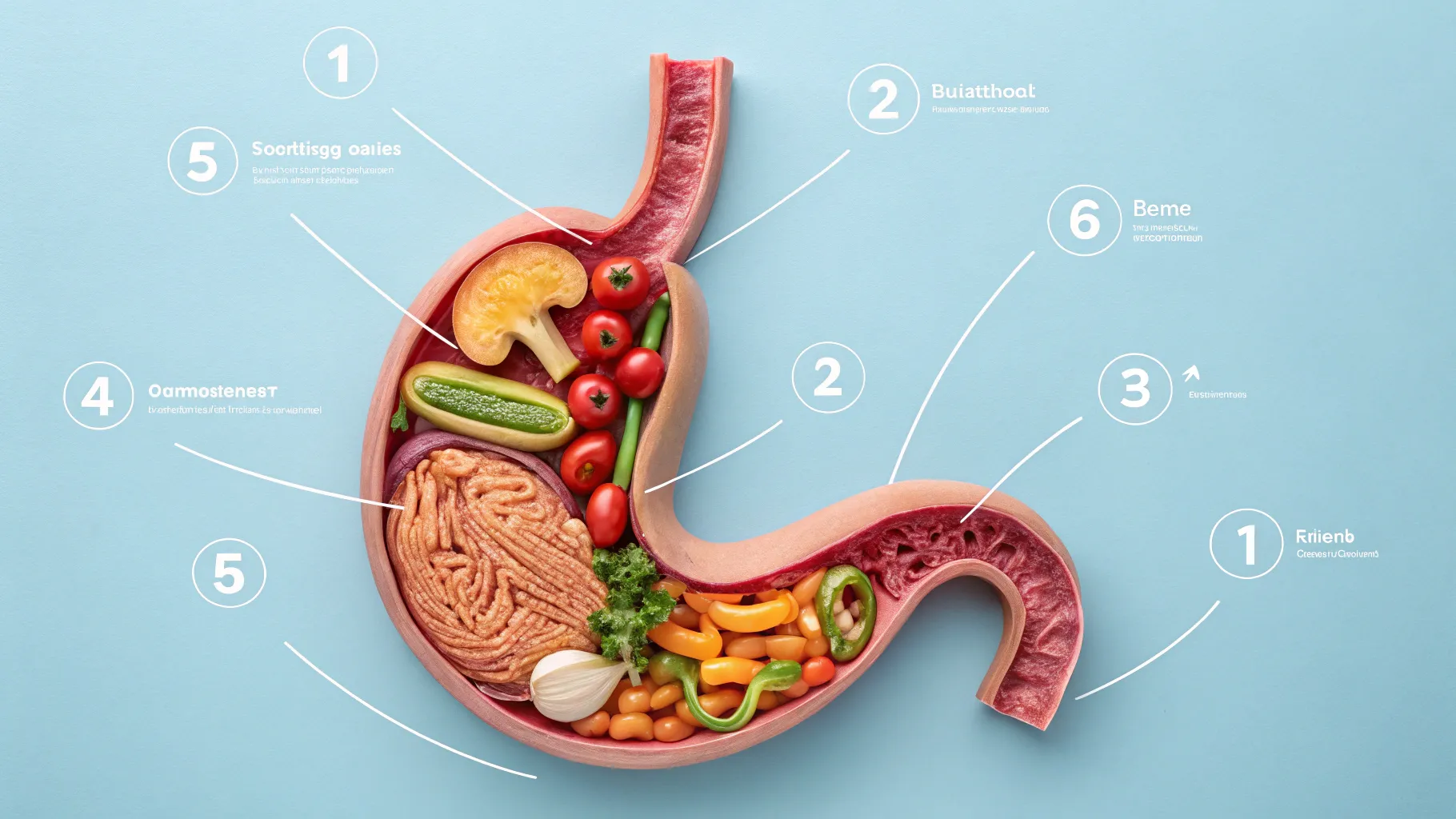
The 5 Crucial Stomach Cancer Warning Signs Detailed
While one of these symptoms alone may not indicate cancer, a persistent combination should prompt a visit to your healthcare provider. It is essential to understand the context and persistence of these early signs stomach cancer presents. Here is a comprehensive breakdown of the five primary warning signals.
1. Persistent Indigestion and Heartburn
Everyone experiences indigestion (dyspepsia) or heartburn from time to time. However, if these symptoms become chronic, severe, or don't respond to usual treatments, it could be one of the critical 5 stomach cancer warning signs. This isn't the occasional discomfort after a large meal; it's a persistent, nagging burning sensation or pain in the upper abdomen that doesn't go away. This is often one of the most overlooked gastric cancer symptoms because it's so common, but its persistence is the key red flag.
2. Unexplained Weight Loss and Loss of Appetite
Losing weight without trying might sound appealing, but it is a significant warning sign for many types of cancer, including stomach cancer. If you are losing weight and you haven't changed your diet or exercise habits, it's a cause for concern. This is often accompanied by a loss of appetite, where you feel full quickly or have no desire to eat. This particular combination is a strong indicator among the list of stomach cancer symptoms and warrants immediate medical evaluation.
3. Abdominal Pain or Vague Discomfort
Pain associated with stomach cancer is often described as a persistent, dull ache in the upper or middle abdomen. While many conditions can cause abdominal pain, the pain from stomach cancer is typically constant and not relieved by eating or antacids. This discomfort can be one of the more direct early signs stomach cancer patients report. Don't dismiss ongoing stomach pain; it's a vital clue that something isn't right.
4. Feeling Full After Eating a Small Amount (Early Satiety)
Early satiety is the sensation of feeling full after consuming only a small portion of food. A tumor can cause the stomach to feel full, or it may interfere with the stomach's ability to stretch and accommodate food. If you consistently find you can't finish a normal-sized meal that you previously had no trouble with, you should consider it as one of the potential 5 stomach cancer warning signs. This is a subtle but important symptom.
5. Nausea, Vomiting, and Changes in Bowel Habits
Persistent nausea that isn't related to a virus or food poisoning can be a symptom. In some cases, vomiting may occur, and it might contain blood (either bright red or looking like coffee grounds). Additionally, changes in your bowel habits, such as the appearance of black, tarry stools (melena), can indicate bleeding in the upper gastrointestinal tract, including the stomach. These are severe gastric cancer symptoms that require urgent medical attention.
When to Consult a Doctor About Gastric Cancer Symptoms
Recognizing the stomach cancer symptoms is only the first step. The next, and most crucial, is taking action. It is essential to consult a healthcare professional if you experience any of the following:
- You have one or more of the warning signs, and they persist for more than two weeks.
- The symptoms are severe and interfere with your daily life.
- You have a family history of stomach cancer or other risk factors.
- You are over the age of 55 and experiencing new-onset indigestion.
- You notice blood in your vomit or stool, which is a medical emergency.
Distinguishing Stomach Cancer from Common Ailments
Many of the early signs stomach cancer presents, such as bloating, heartburn, and abdominal pain, are also symptoms of less severe conditions like gastroesophageal reflux disease (GERD) or gastritis. The key difference is persistence and progression. While GERD symptoms may respond to antacids and lifestyle changes, gastric cancer symptoms often persist and may worsen over time. It's impossible to self-diagnose, so if you are constantly asking yourself 'do i have stomach cancer?', the only way to get a definitive answer and peace of mind is through a professional medical diagnosis.
How Doctors Investigate Stomach Cancer Symptoms
If you present to your doctor with potential stomach cancer warning signs, they will likely start with a physical exam and a discussion of your medical history. To confirm a diagnosis, they may order specific tests. The most common and definitive test is an upper endoscopy, where a thin, flexible tube with a camera is passed down your throat to view the lining of your esophagus, stomach, and the first part of your small intestine. A biopsy, where a small tissue sample is taken for analysis, can be performed during this procedure. Other tests may include imaging scans like CT or PET scans to see if the cancer has spread.
Frequently Asked Questions
Can stress cause stomach cancer symptoms?
While stress itself does not directly cause stomach cancer, it can worsen symptoms like indigestion and abdominal pain, which may overlap with early signs stomach cancer. However, stress cannot create the physical changes of a tumor. If symptoms are persistent, they should be medically evaluated regardless of stress levels.
If I have these symptoms, do I have stomach cancer for sure?
No. Having one or more of these symptoms does not automatically mean you have stomach cancer. Many other, more common conditions share these signs. However, these are the recognized 5 stomach cancer warning signs, and their presence means you should see a doctor for a proper diagnosis to rule out serious conditions.
Are the gastric cancer symptoms different for men and women?
The primary gastric cancer symptoms are generally the same for all genders. However, stomach cancer is more than twice as common in men as in women. The risk factors and presentation of the disease are largely similar, making awareness crucial for everyone.
References
- American Cancer Society - Stomach Cancer Signs and Symptoms
- National Cancer Institute - Gastric Cancer Treatment
- World Health Organization - GLOBOCAN 2020 Report
- Mayo Clinic - Stomach Cancer Overview