5 Sensitive Skin Care Mistakes to Avoid for Healthy Skin
Facts:
- Over 70% of the global population reports having sensitive skin.
- A compromised skin barrier is a key factor in most sensitive skin issues.
Avoiding Irritation: The Most Common Sensitive Skin Errors
Caring for sensitive skin can often feel like navigating a minefield. One wrong step, and you're dealing with redness, itching, and discomfort. Many people inadvertently worsen their skin's condition through seemingly harmless habits. These are not just minor issues; they are significant skincare mistakes sensitive skin reacts to negatively. Understanding these common pitfalls is the first step toward achieving a calm, balanced complexion. This guide delves into the top 5 sensitive skin care mistakes, explaining not just what they are, but why they disrupt your skin's health and how to correct them for lasting relief.
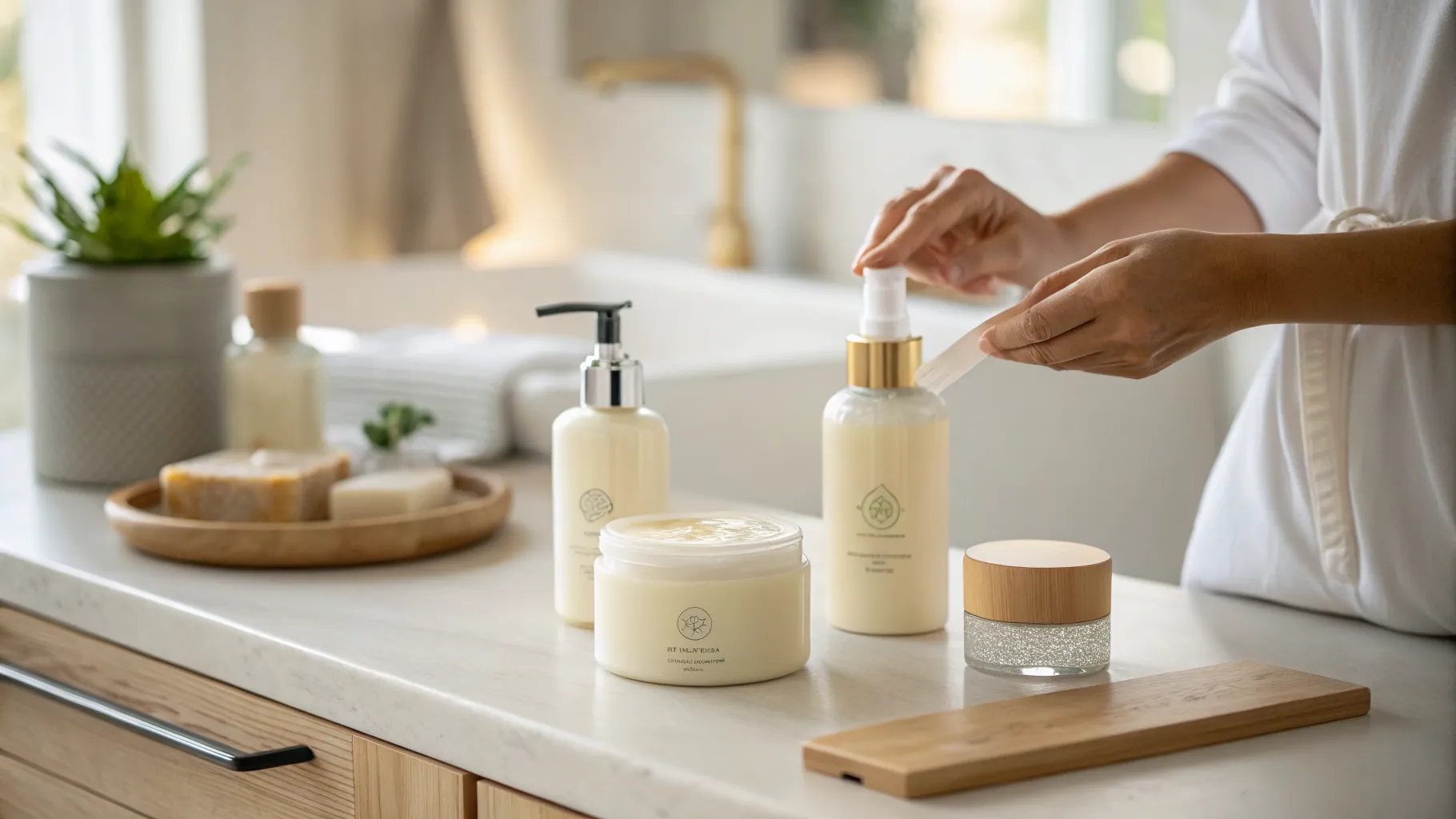
The Top 5 Sensitive Skincare Mistakes You Might Be Making
Identifying and eliminating counterproductive habits is crucial for managing sensitive skin. Below, we break down the most prevalent sensitive skincare mistakes that could be standing between you and healthy skin. Paying close attention to these details can revolutionize your skincare outcomes.
1. Over-Exfoliating with Harsh Ingredients
The desire for smooth skin often leads to one of the most damaging sensitive skin errors: over-exfoliation. While removing dead skin cells is beneficial, using aggressive physical scrubs with large, irregular particles (like crushed nuts) or potent chemical exfoliants (high-concentration AHAs/BHAs) too frequently can strip the skin's protective barrier. This leads to micro-tears, inflammation, and heightened sensitivity. Instead of daily scrubbing, opt for a gentle enzyme exfoliant or a low-concentration lactic acid treatment once a week to gently renew the skin without causing irritation.
2. Using Products with Fragrance and Drying Alcohols
Fragrance, whether synthetic or natural (from essential oils), is a leading cause of contact dermatitis and allergic reactions in sensitive individuals. It's a major factor in what not to do sensitive skin care. Similarly, drying alcohols like SD alcohol, denatured alcohol, or isopropyl alcohol can strip natural oils, dehydrate the skin, and impair the barrier function. Always scrutinize ingredient lists and choose products explicitly labeled 'fragrance-free'. This is one of the most critical sensitive skincare mistakes to avoid.
3. Skipping the All-Important Patch Test
Excitement over a new product can lead people to apply it all over their face immediately. This is a risky gamble for sensitive skin. A patch test is a non-negotiable step to prevent a widespread reaction. Apply a small amount of the new product to a discreet area, like behind the ear or on the inner arm, and wait 24-48 hours. Any signs of redness, itching, or irritation are a clear signal to avoid the product. Ignoring this simple test is a frequent cause of preventable skincare mistakes sensitive skin pays for dearly.
4. Neglecting the Skin Barrier
Your skin barrier (stratum corneum) is your first line of defense against environmental aggressors. Many common habits contribute to its degradation, such as using very hot water to wash your face, using harsh, high-pH cleansers that leave skin feeling 'squeaky clean,' and not moisturizing properly. These are serious sensitive skin errors. To support your barrier, use lukewarm water, switch to a gentle, hydrating cleanser, and look for products containing ceramides, hyaluronic acid, and niacinamide to repair and strengthen it.
5. Inconsistent Moisturizing and Sunscreen Application
Moisturizer isn't just for dry skin; it's essential for all skin types, including sensitive and oily ones. It locks in hydration and supports the skin barrier. Skipping it can lead to dehydration, which paradoxically can cause the skin to produce more oil and become more reactive. Equally important is daily, consistent application of a broad-spectrum sunscreen. UV radiation is highly inflammatory and is one of the biggest triggers for sensitive skin. Failing to protect your skin daily is one of the most overlooked of the 5 sensitive skin care mistakes.
Actionable Advice for a Calm-Skin Routine
Transforming your skin requires more than just avoiding mistakes; it involves building a supportive and consistent routine. Here are actionable steps to take:
- Simplify Your Routine: More products are not always better. A simple routine of a gentle cleanser, a hydrating serum, a barrier-repairing moisturizer, and sunscreen is often most effective for sensitive skin.
- Read Ingredient Labels Religiously: Become familiar with common irritants like fragrance, sulfates, and drying alcohols. Look for soothing ingredients like centella asiatica, oatmeal, and chamomile. This helps you avoid common sensitive skincare mistakes.
- Introduce New Products One at a Time: When you add a new product, wait at least two weeks before adding another. This helps you easily identify the source of any potential irritation.
- Focus on Hydration: Use a humidifier in dry environments and incorporate hydrating serums with ingredients like hyaluronic acid or glycerin into your routine to keep your skin plump and resilient.
Frequently Asked Questions
What is the number one mistake people with sensitive skin make?
The single most common of the 5 sensitive skin care mistakes is using products with hidden fragrances. 'Unscented' can sometimes mean a masking fragrance has been added, so always look for 'fragrance-free' on the label to avoid one of the most common sensitive skin errors.
How quickly can I see improvement after correcting these skincare mistakes sensitive skin reacts to?
After you stop making these common skincare mistakes sensitive skin is prone to, you can often see a reduction in redness and irritation within one to two weeks. However, fully repairing the skin barrier can take a month or longer, so consistency is key.
References
- Journal of Clinical and Aesthetic Dermatology
- International Journal of Cosmetic Science
- Studies on Skin Barrier Function and Repair
- Cosmetic Ingredient Review Board Findings