5 Proven Ways to Maximize Small Spaces: Essential Space-Saving Solutions
Fast Facts:
- Urban living often means smaller homes.
- Trends show increased demand for creative space-saving solutions for millennials and Gen Z.
Unlocking the Potential of Compact Living with Smart Strategies
In an increasingly urbanized world, mastering small space living has become an essential skill for homeowners and renters alike. The challenge of optimizing limited square footage can feel daunting, but with the right approaches, even the most compact areas can be transformed into highly functional and aesthetically pleasing environments. This article delves into five proven methods to maximize small spaces, ensuring every inch serves a purpose and contributes to a comfortable, uncluttered home. From innovative furniture to strategic decluttering, these techniques offer practical ways to enhance your living experience without the need for a larger footprint. Embrace the power of functional design and discover how to create a sense of spaciousness and order, even in the coziest abodes.
1. Embrace Multi-Functional Furniture
One of the most impactful strategies for maximizing small spaces is to invest in multi-functional furniture. This isn't just about a sofa bed; it's about intelligent pieces that serve more than one purpose, thereby reducing the total number of items needed in a room. Think ottomans with hidden storage, coffee tables that lift to become dining tables or workstations, or beds with built-in drawers and shelving underneath. Wall-mounted drop-leaf tables can serve as a desk, a dining area, or extra counter space, folding away discreetly when not in use. Modular furniture systems are also excellent, allowing components to be reconfigured to suit different needs or layouts. By carefully selecting furniture that works harder, you can significantly free up floor space and maintain a clean, open feel, which is crucial for effective apartment organization. The key is to prioritize versatility and consider how each piece can adapt to various daily activities.
2. Leverage Vertical Space Effectively
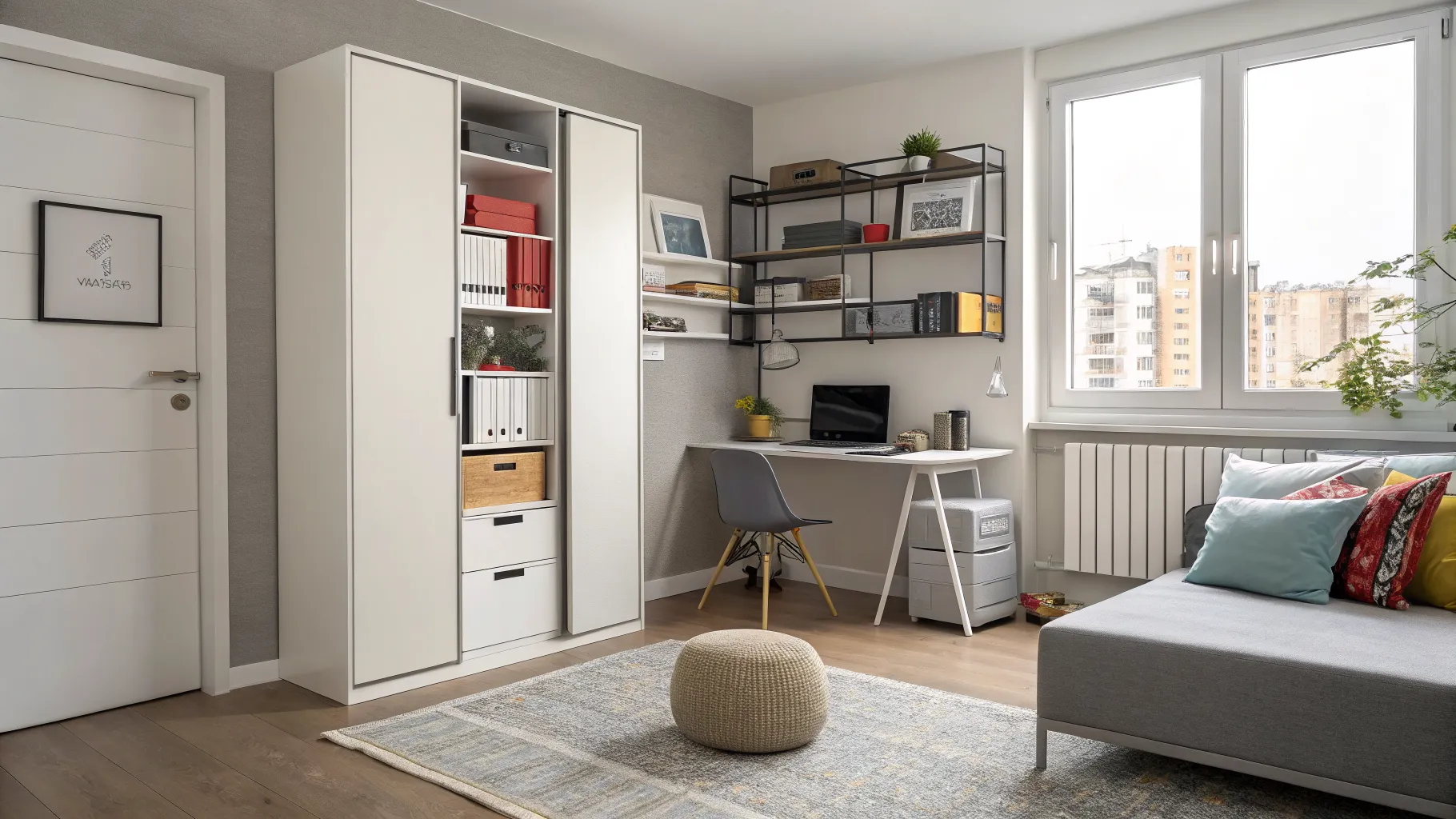
When horizontal space is limited, the only way to go is up. Utilizing vertical space is a game-changer for small space living. Install shelves, wall-mounted cabinets, and tall, narrow bookcases that reach the ceiling. Floating shelves can add storage and display areas without taking up precious floor space. Consider vertical garden planters for a touch of greenery that doesn't consume valuable surface area. In kitchens, pot racks hung from the ceiling or wall can free up cabinet space. In bedrooms, build or buy a bed with under-bed drawers or a platform bed that allows for storage bins. Even the backs of doors can be utilized with over-the-door organizers for shoes, toiletries, or pantry items. The goal is to draw the eye upward and exploit every available vertical surface, creating abundant clever storage opportunities without cluttering eye-level zones.
3. Implement Smart Storage Solutions
Beyond multi-functional furniture and vertical utilization, a myriad of clever storage solutions can dramatically improve space efficiency. Think strategically about every nook and cranny. Use drawer dividers, cabinet organizers, and stackable containers to keep items tidy and accessible. Vacuum-seal bags are excellent for storing seasonal clothing or bedding, compressing bulky items to a fraction of their size. Corner shelves and units can transform awkward corners into functional storage or display areas. For items like cleaning supplies or laundry, roll-out carts that fit into narrow gaps can be invaluable. Don't overlook the power of hooks – behind doors, inside cabinets, or on walls – for hanging everything from coats to kitchen utensils. Investing in aesthetically pleasing storage boxes and baskets can also help maintain a cohesive look while keeping clutter out of sight, contributing to overall apartment organization.
4. Declutter Ruthlessly and Regularly
Perhaps the most fundamental aspect of maximizing small spaces is a commitment to ruthless decluttering. The less you own, the more spacious your home will feel. Adopt a minimalist mindset, focusing on quality over quantity. Regularly go through your belongings using methods like the 'one-year rule' (if you haven't used it in a year, get rid of it) or the 'one in, one out' principle (for every new item you bring into your home, one old item must leave). Organize items by category and store them where they are most frequently used. Donate, sell, or discard items that no longer serve a purpose or bring you joy. A cluttered environment not only looks smaller but also creates mental stress. Maintaining a streamlined living area through consistent decluttering is not just about tidiness; it's about creating a more peaceful and functional environment. This proactive approach to minimizing possessions is a cornerstone of effective small space living.
5. Optimize Lighting and Color Palettes
While not a physical storage solution, strategic use of lighting and color can profoundly impact how spacious a room feels. Light colors on walls, ceilings, and floors reflect more light, making a room appear larger and more open. White, pastels, and light neutrals are excellent choices. Consider using a monochromatic color scheme or a limited palette to create a cohesive and expansive feel. Mirrors are another powerful tool; placed strategically, they can reflect light and create the illusion of depth and a larger area. For lighting, maximize natural light wherever possible by using sheer curtains or no curtains at all. Supplement with layered artificial lighting – ambient, task, and accent lighting – to illuminate all corners of the room. Avoid heavy, dark drapes or bulky light fixtures that can make a room feel cramped. A well-lit and brightly colored space inherently feels more expansive, enhancing the overall effect of your space-saving solutions and functional design efforts.
Transforming Your Home with Smart Living Strategies
Effectively transforming a compact dwelling into a spacious and inviting home requires a combination of thoughtful planning, innovative product choices, and consistent maintenance. The five strategies outlined—multi-functional furniture, vertical space utilization, clever storage solutions, ruthless decluttering, and optimized lighting and color—are not merely individual tactics but form a holistic approach to small space living. Each method reinforces the others, contributing to an overall sense of openness and order. For instance, decluttering creates a canvas upon which space-saving solutions can truly shine, while strategic lighting can visually expand a room already optimized with vertical storage. The continuous effort to maintain an organized environment is paramount, ensuring that the initial gains in space and functionality are not lost to accumulating clutter. By embracing these integrated strategies, anyone can cultivate a home that feels significantly larger, more efficient, and ultimately, more enjoyable to live in.
Achieving an Organized and Spacious Home
- Assess Your Needs: Before buying any new items, take stock of what you truly need and what activities you perform in each room. This will inform your choices for functional design and furniture.
- Measure Everything: Precisely measure your space before purchasing furniture or storage units. This ensures a perfect fit and avoids pieces that overpower the room.
- Think Vertically First: Whenever you identify a storage need, first consider how it can be addressed by utilizing wall space or tall units before resorting to floor-level options.
- Go Digital: Minimize physical clutter by digitizing documents, photos, and media where possible. This frees up significant physical storage space.
- Create Zones: Even in a small room, use area rugs, shelving, or screens to define distinct zones for sleeping, working, and relaxing. This creates a sense of purpose and structure.
- Incorporate Reflective Surfaces: Beyond mirrors, consider furniture with glossy finishes or glass elements that can reflect light and contribute to an open feel.
- Regular Maintenance: Dedicate a few minutes each day to tidying up. This prevents clutter from building up and makes larger decluttering tasks less daunting.
Frequently Asked Questions
How can I make my small bedroom feel more spacious?
To make a small bedroom feel more spacious, focus on maximizing vertical space with wall-mounted shelving or a tall headboard with integrated storage. Opt for a platform bed with under-bed drawers. Use light color schemes, ample lighting, and incorporate mirrors to create an illusion of depth. Keep clutter to a minimum to enhance the sense of openness, crucial for effective apartment organization.
What are some quick space-saving solutions for a tiny kitchen?
For a tiny kitchen, quick space-saving solutions include using magnetic knife strips, wall-mounted pot racks, and over-the-door pantry organizers. Employ drawer dividers and stackable containers for cabinet efficiency. Consider a small, foldable kitchen island or a drop-leaf table that can be stowed away when not in use, making the most of every surface.
Is it possible to have a home office in a small apartment?
Yes, it's absolutely possible to have a functional home office in a small apartment. Utilize a corner with a compact, wall-mounted desk or a secretary desk that folds away. Consider a bed that transforms into a desk, or a closet converted into a 'cloffice.' Good lighting and minimalist functional design are key to making this dedicated workspace effective without consuming too much living area.
References
- The Journal of Interior Design
- Urban Planning and Development Review
- Home Organization & Efficiency Magazine
- Architectural Digest Special Edition: Small Spaces
- Consumer Reports on Home Goods and Furniture